
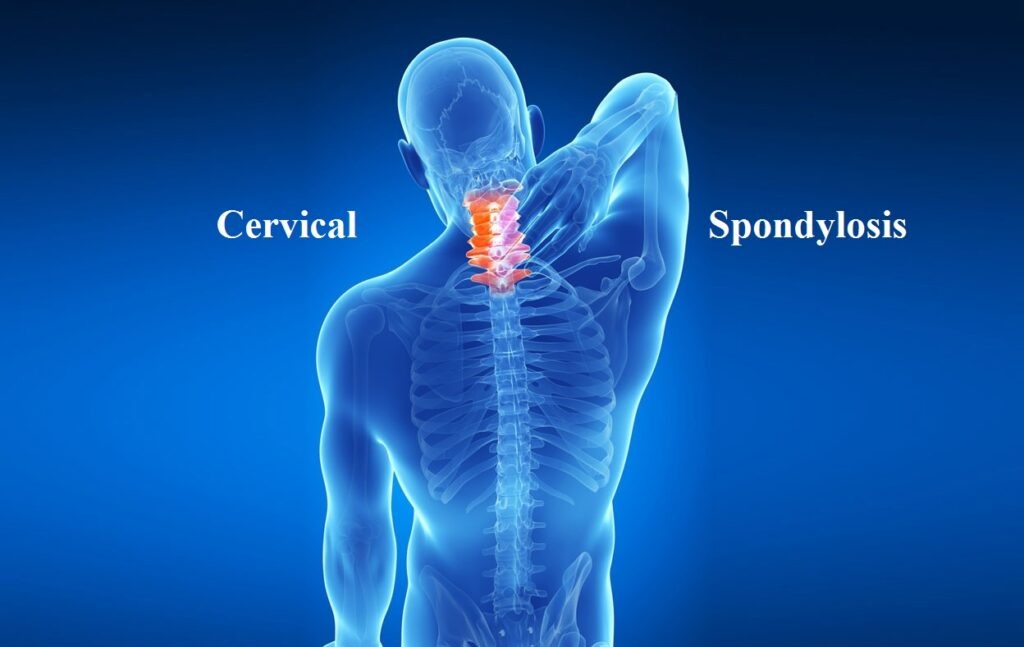
Cervical spondylosis is a common age-related condition that affects the neck (cervical spine). It occurs due to wear and tear of the bones, discs, and joints of the neck. Although it is more common after the age of 40, it is increasingly seen in younger people because of poor posture and long hours of screen use.Causes-The main cause of cervical spondylosis is degeneration of the cervical spine over time. As we age, the intervertebral discs lose water content and become less flexible, leading to reduced shock absorption. This can cause disc bulging or herniation.Other common causes include:Poor posture, especially prolonged forward head posture while using mobile phones or computersRepetitive neck movements or sustained static positions Weak neck and upper back muscles.Previous neck injury or traumaStress and muscle tightnessSedentary lifestyle and lack of exerciseSymptoms may include neck pain and stiffness, headache, shoulder or arm pain, tingling or numbness in the arms, and reduced neck movement.Physiotherapy TreatmentPhysiotherapy plays a key role in managing cervical spondylosis and preventing its progression. The aim is to reduce pain, improve mobility, strengthen muscles, and correct posture.
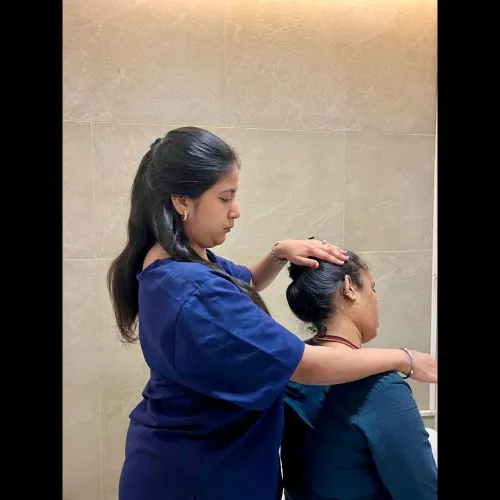
Treatment may include:Pain relief modalities such as hot packs, ultrasound, or TENS to reduce pain and muscle spasm.Manual therapy including soft tissue release and gentle joint mobilization to improve neck movement
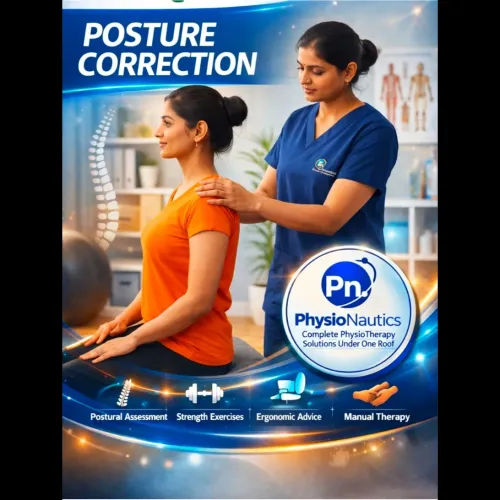
Postural correction and ergonomic advice for workplace and daily activities.Stretching exercises for tight neck, shoulder, and chest muscles.Strengthening exercises for deep neck flexors, upper back, and shoulder stabilizers
Neck stabilization and mobility exercises to improve control and flexibility Lifestyle advice, including regular breaks, correct sleeping posture, and stress management
With regular physiotherapy and proper posture care, most patients experience significant pain relief, improved function, and better quality of life. Here at Physionautics we provide personalised care and treatment according to patients conditions