
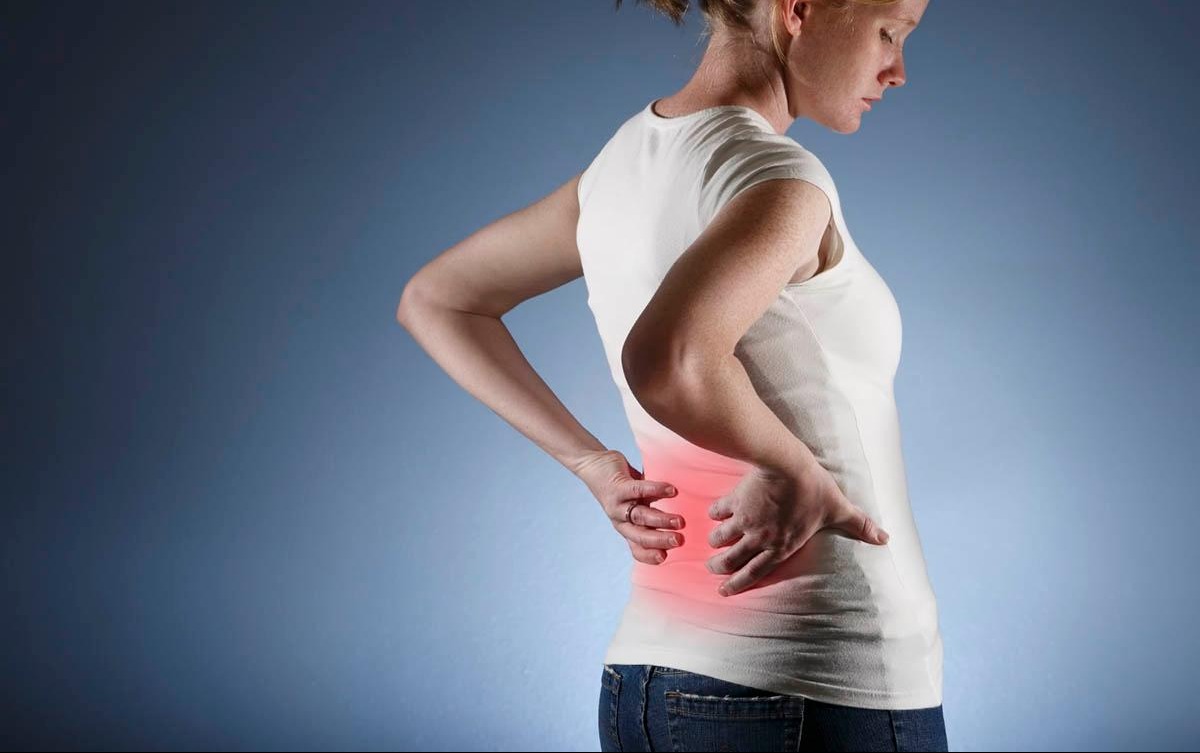
Yes, majority of slip disc and sciatica cases (around 80%–90%) heal without surgery. The body naturally reabsorbs the herniated disc material over time, while structured physiotherapy calms nerve inflammation and restores spinal stability.
Non-Surgical Management of Slip Disc & Sciatica-
Pathology-A “slip disc“ (lumbar disc herniation, commonly at L4–L5 or L5–S1) compresses or chemically irritates the sciatic nerve roots, causing radiating leg pain, tingling, or numbness, Recovery Timeline of slip disc- Most patients recover significantly within 4 to 8 weeks using conservative care.
Physiotherapy Protocol at Physionautics
we believe that a proper assessment and a diagnosis is key to get perfect treatment
our first step is to manage Pain & Inflammation Control (Acute Phase). Avoid prolonged bed rest; use relative rest, short walks, and heat/cold therapy. Electrotherapy
McKenzie Method -Repeated lumbar extension , encourage the disc bulge to move away from the nerve root.
Pain moving up from the leg toward the lower back (centralization) indicates a positive response.
Neural Mobilization. Gentle sciatic nerve glides or flossing restore nerve mobility and reduce tingling without overstretching.
Core & Hip Stabilization (Subacute/Recovery Phase). Strengthening deep core and gluteal muscles (pelvic tilts, bird-dogs, glute bridges) acts as a natural brace to offload spinal discs.
Ergonomics & Posture-Limit prolonged sitting, avoid forward bending or heavy lifting, and maintain neutral lumbar alignment.
Red Flags When Surgery is needed -
Cauda Equina Syndrome, Loss of bowel or bladder control, or numbness in the groin/saddle area.
Progressive Neurological Deficit, Worsening leg weakness , foot drop (difficulty lifting the front of the foot).
Refractory Pain. Severe, disabling pain showing zero improvement after 6–12 weeks of consistent conservative therapy.