
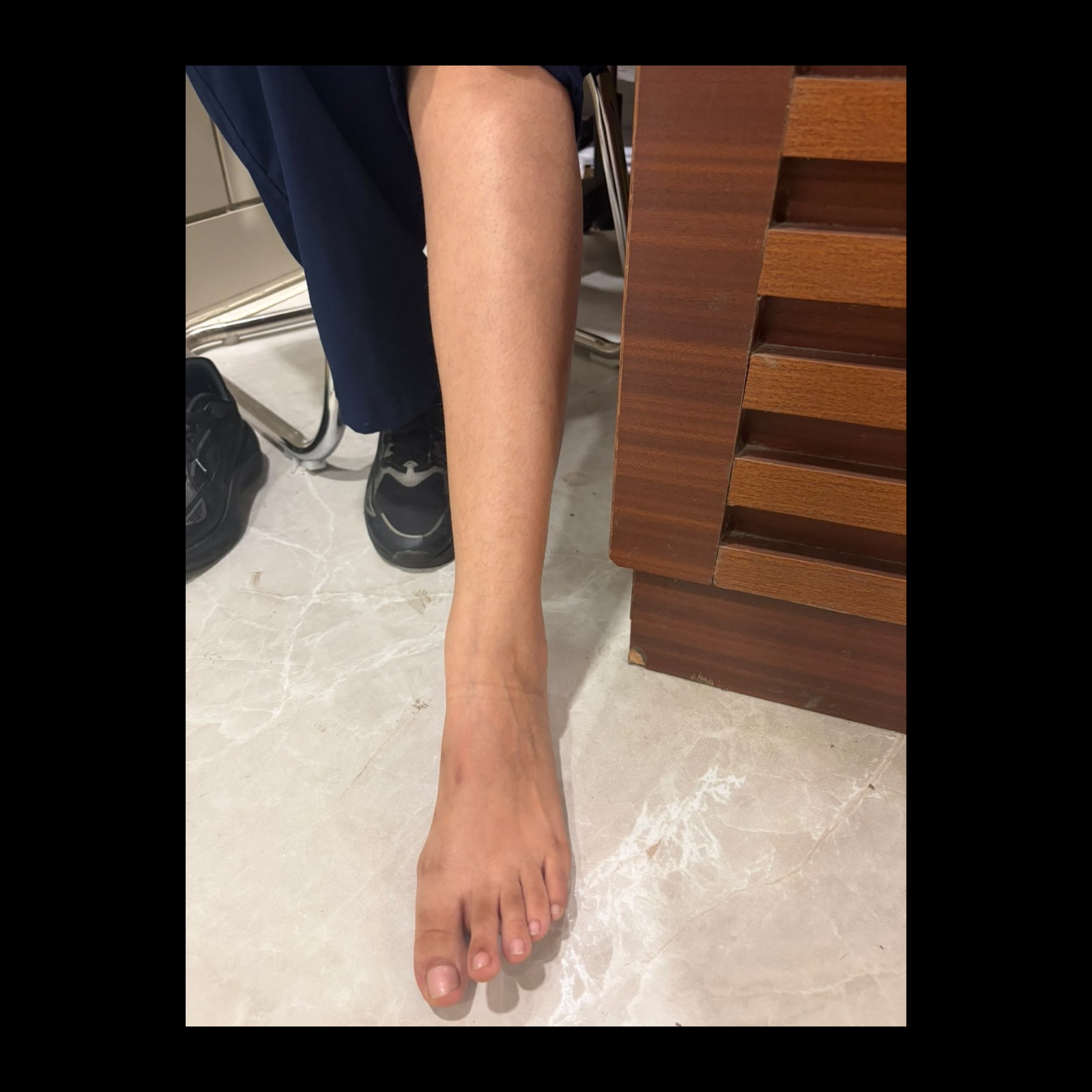
Shin splints are one of the most common causes of lower leg pain, especially among runners, athletes, gym-goers and people who have recently started exercising. The condition causes pain along the shinbone (tibia), usually on its inner side. It is medically known as Medial Tibial Stress Syndrome (MTSS). Although it may initially feel like mild discomfort after running or exercise, ignoring the symptoms and continuing intense training can make the condition worse.
Shin splints usually develop when the muscles, tendons and surrounding tissues near the shinbone are exposed to repeated stress. This commonly happens when someone suddenly increases their running distance, starts exercising after a long break, increases workout intensity too quickly or trains without allowing enough recovery time. Running on hard surfaces, wearing unsuitable footwear and changes in training routines may also contribute to the problem.
The most common symptom is pain along the inner border of the shinbone. Some people experience a dull aching sensation, while others feel sharp discomfort during or after physical activity. Initially, the pain may appear only while running or exercising, but it can gradually start affecting walking and everyday activities. Tenderness along the shinbone and mild swelling may also occur.
The first step towards recovery is identifying the reason behind the pain. A physiotherapist performs a detailed assessment to understand the symptoms, training routine, lower limb strength, flexibility, movement patterns and possible contributing factors. This helps in planning rehabilitation according to the individual's condition and activity level. It is also important to remember that not every type of shin pain is a shin splint. A stress fracture or other lower leg conditions can produce similar symptoms, so proper assessment is essential.
Physiotherapy plays an important role in managing shin splints and helping individuals return to their regular activities. Depending on the assessment, treatment may include strengthening exercises, stretching, mobility exercises, balance and stability training, manual therapy and other appropriate physiotherapy techniques. The rehabilitation program may also include guidance on running technique, exercise patterns, footwear and training modifications. The aim is not just to reduce pain but also to improve strength, movement and the ability of the lower leg to tolerate physical activity.
As the symptoms improve, rehabilitation gradually progresses towards more functional activities and sports-specific training. This may include controlled running, jumping, agility and other exercises depending on the individual's sport and fitness level. Gradually increasing training intensity helps the body adapt to physical demands and reduces the chances of recurring injuries. Returning to full activity too early should be avoided, as it may worsen the symptoms.
If pain is very localized to one small area of the bone, occurs at rest or at night, causes difficulty bearing weight, or does not improve with appropriate activity modification, medical evaluation is important to rule out a stress fracture.
If you are experiencing persistent shin pain while running, exercising or playing sports, don't ignore it. Visit PhysioNautics for a professional physiotherapy assessment and a personalized rehabilitation program to help you recover, regain strength and return to your activities safely.