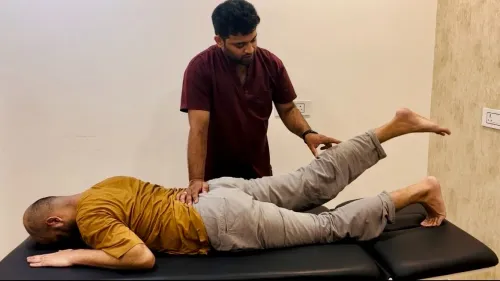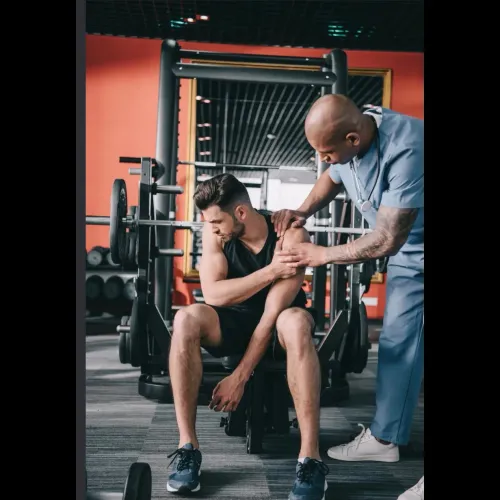

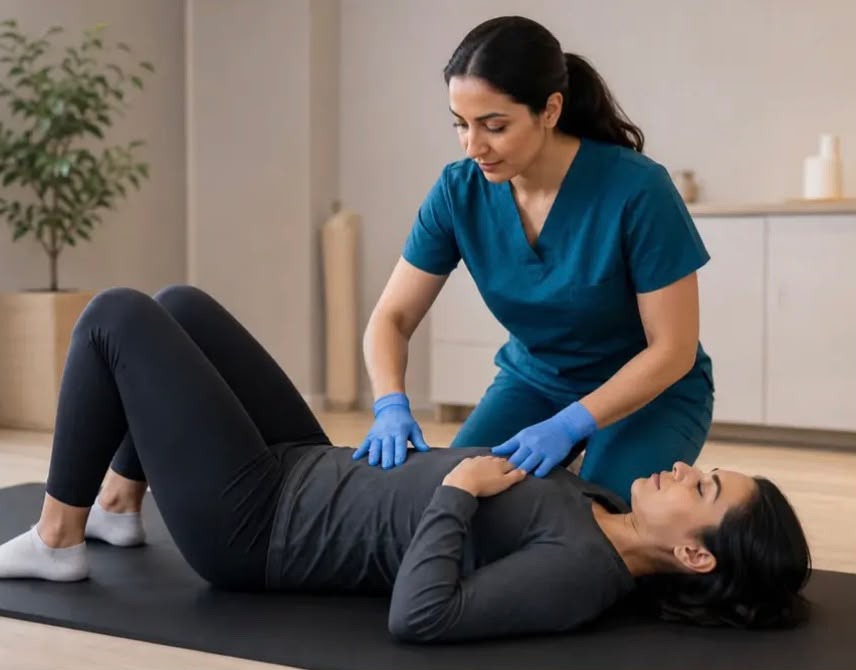
Postpartum physiotherapy is a specialized form of physical rehabilitation designed to help new mothers recover safely from the physical strains of pregnancy and childbirth.
key areas of focus :-
• Pelvic Floor Recovery: Strengthens muscles weakened or stretched during labor to prevent or treat urinary incontinence and pelvic organ prolapse.
• Core & Abdominal Repair: Targets diastasis recti (separation of the rectus abdominis muscles) to rebuild core stability and reduce back pain.
• Posture & Back Care: Corrects postural imbalances caused by pregnancy changes and everyday tasks like breastfeeding and lifting the baby.
• C-Section Rehabilitation: Assists with gentle scar tissue mobilization, pain management, and safe abdominal wall activation.
Here at Physionautics Postpartum physiotherapy rehabilitation progresses through distinct physiological stages to safely transition your body from acute birth recovery back to high-impact functional fitness. Pregnancy stretches the pelvic floor muscles up to 250% and the abdominal wall up to 115%. For this reason, rushing into standard workouts too early can cause long-term injuries.
Physiotherapists divide the recovery timeline into four crucial rehabilitation phases:
Phase 1: Acute Healing & Re-connection
The priority in this phase is tissue healing, circulation, and preventing early complications. It begins as early as 24–48 hours after an uncomplicated birth.
• we focus: Restoring the mind-muscle connection without physical strain.
• Interventions:
• Diaphragmatic Breathing : Expands the ribcage to naturally manage internal abdominal pressure and gently trigger the deep core.
• Sub-maximal Pelvic Floor Activation: Executing gentle Kegels at just 30% to 50% effort (short 1–3 second holds) to encourage blood flow and reduce perineal swelling.
• Ergonomic Care: Coaching on the “log roll“ to get out of bed, and postural alignment while nursing to prevent neck/back strain.
Phase 2: Rebuilding the Foundation
During the subacute phase, hormonal changes leave your ligaments loose due to lingering relaxin. The focus moves toward mild core activation.
• we focus: Deep local muscular stability and initial scar management.
• Interventions:
• Transverse Abdominis (TA) Isolation: Practicing gentle drawing-in maneuvers (feeling the lower tummy contract like “zipping up tight trousers“).
• Scar Tissue Mobilisation: For C-section or perineal scars (initiated around week 4–6 once tissues close completely) to prevent restrictive internal adhesions.
• Low-Impact Cardio: Gradually progressing from indoor pacing to short, light outdoor walks.
Phase 3: Structural Capacity & Strength
This phase begins right after your 6-week OB-GYN checkup. It is the optimal time for a thorough Postnatal Physiotherapy Assessment.
• we focus: Diagnosing specific dysfunctions and loading global muscle groups.
• Interventions:
• Diastasis Recti Screening: Professionally measuring the width and tension of abdominal separation to safely customize your core program.
• Closed-Kinetic Strength Work: Introducing multi-joint movements like pelvic tilts, side-lying clamshells, glute bridges, and light resistance band work.
• Pelvic Floor Loading: Building endurance up to 10-second functional holds, tracking for any signs of pelvic organ prolapse.
Phase 4: Dynamic Function & Return to Sport
Your body enters the delayed recovery phase, gradually moving muscles back to their pre-pregnancy capacity.
• we focus: Impact absorption, plyometrics, and sport-specific training.
• Interventions:
• Impact-Readiness Testing: Running through clinical tests ( single-leg hopping) to check if your pelvic floor can absorb high impact without leaking or pressure.
• Graduated Running Progression: Moving through structured run-walk intervals, usually starting around the 12-week mark if symptoms are absent.
• Advanced Core Loading: Safely introducing multi-planar exercises like planks and lifting heavier resistance.
so if u are struggling with postpartum musculoskeletal issues contact us at physionautics