
The most common gym injuries include strains, sprains, and tendonitis affecting the lower back, shoulders, and knees.
Frequent Gym Injuries include Lower Back Strain: Happens during heavy lifts like squats or deadlifts when the spine rounds or the core lacks stability.
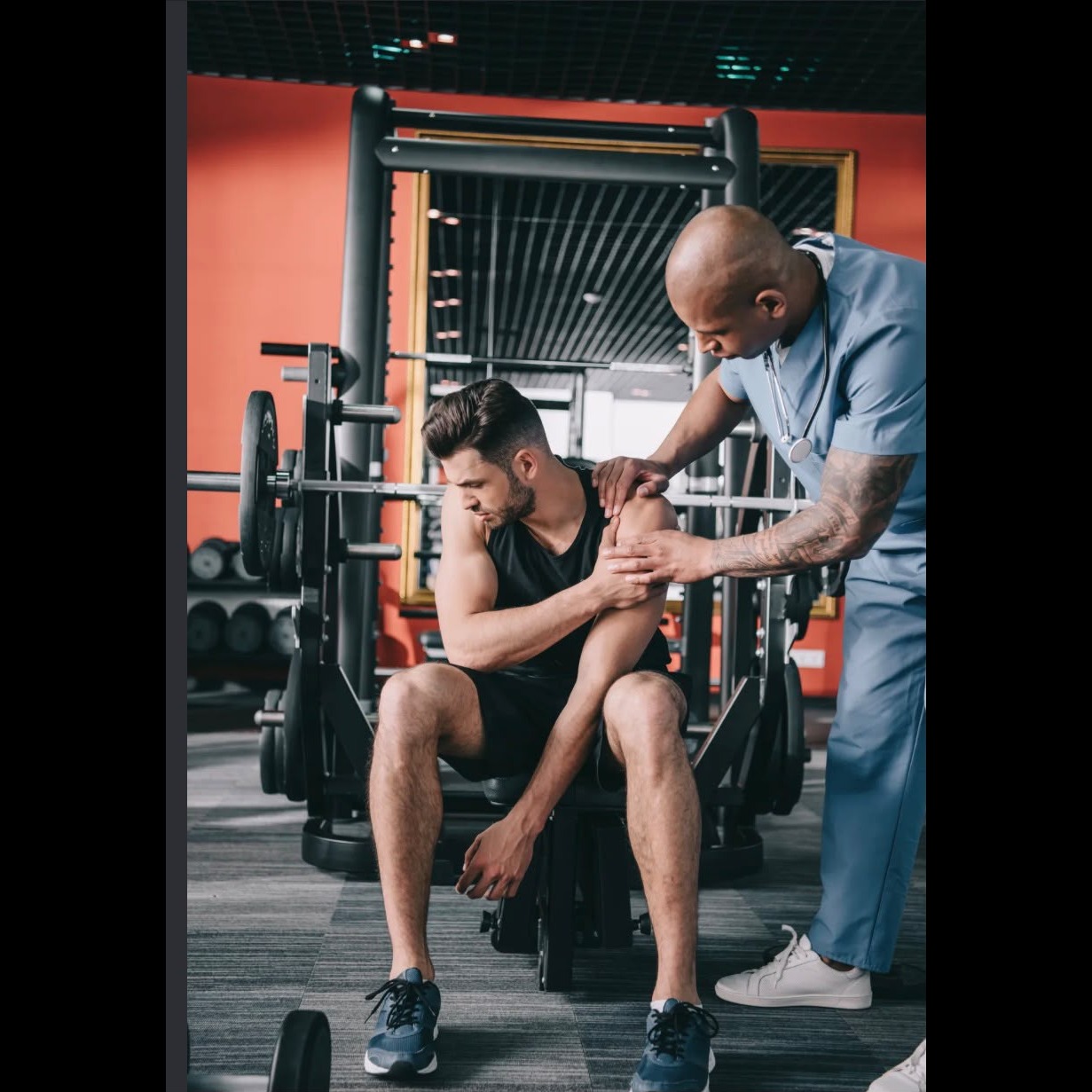
Shoulder Impingement: Occurs from repetitive overhead presses or bench pressing with poor mobility or control.
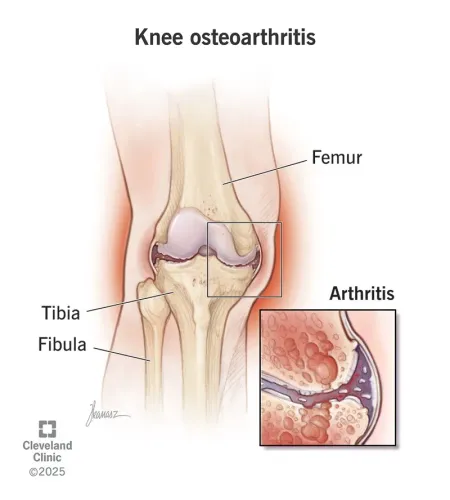
Knee Pain: Caused by poor form during lunges or squats, or by adding weight and running volume too fast.
Elbow Tendonitis: Results from overuse and heavy gripping during pulling exercises like pull-ups and rows.
Wrist and Ankle Strains: Stems from poor grip technique, bad footwear, or awkward landings during agility work.
Main CausesPoor Form: Using sloppy technique places excess stress on your joints
.Too Much Too Soon: Increasing weight or reps faster than your tendons can adapt leads to overuse.
Skipping Warm-Ups: Working out with cold, stiff muscles makes them prone to tears.
Simple Prevention TipsWarm up for 5 to 10 minutes with light cardio and dynamic stretches before lifting.Prioritize form over heavy weight, and ask a professional at a fitness facility if you are unsure.
Increase intensity slowly by following safe progression rules rather than jumping up too fast.
(Effective gym injury rehabilitation )
requires stopping aggravating movements, managing pain, and progressively reloading the tissue under professional guidance.
Core Rehabilitation StepsStop Aggregating: Avoid exercises that worsen your symptoms or cause sharp pain above a 3 out of 10.
Initial Management: Use the RICE method (Rest, Ice, Compression, Elevation) for acute swelling or pain.
Optimal Loading: Maintain pain-free movement with light resistance bands or bodyweight exercises to prevent joint stiffness.
Gradual Progression: Slowly increase reps, range of motion, or weight only if post-workout soreness resolves within 24 hours.
Physiotherapy Rehabilitation
Here at Physionautics : -
Phase 1: Pain Modulation & Protection: Using manual therapy, dry needling, or modalities like ultrasound to settle active inflammation while protecting the joint.
Phase 2: Mobility Restoration: Targeted passive and active-assisted stretching to regain your full range of motion and eliminate joint stiffness.
Phase 3: Muscle Activation & Loading: Introducing isometric and light isotonic exercises to awaken dormant muscle groups without overloading healing tissues.
Phase 4: Functional Progressions: Advancing to sports-specific or gym-specific movement patterns, gradually scaling weight, volume, and speed.