
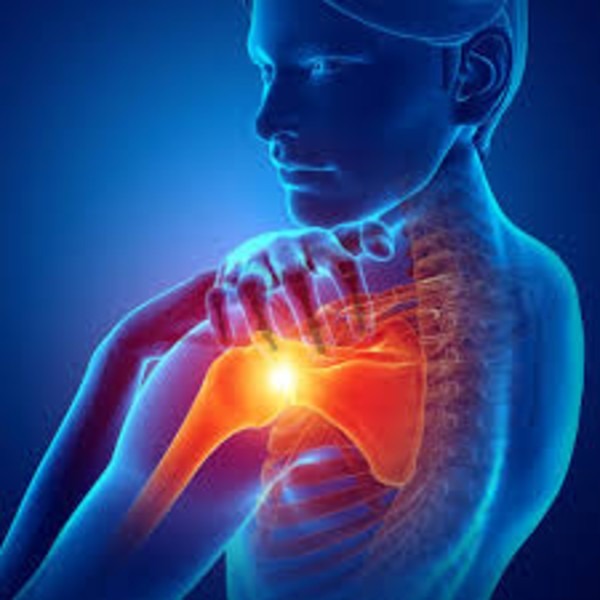
Shoulder pain is a common issue which is often linked to the shoulder’s good mobility and the group of muscles, tendons, and ligaments that stabilize. The shoulder joint allows motion in various direction, so this range also increases vulnerability to overload, poor posture, and injury. When pain makes it difficult for a person to dress, lift, sleep, or reach overhead physiotherapy can help restore movement and function while preventing it from coming back.
The rotator cuff is a structure that comprises a group of stabilizing muscles and tendons which plays a central role in maintaining smooth and controlled shoulder motion. Inflammation of these tendons (tendinitis) from overuse, or muscular imbalances commonly triggers activity-related pain and night discomfort. Frozen shoulder is also a condition in which there is progressive stiffness and pain, following immobility or metabolic conditions also can significantly affect activities of daily living for months without rehabilitation.
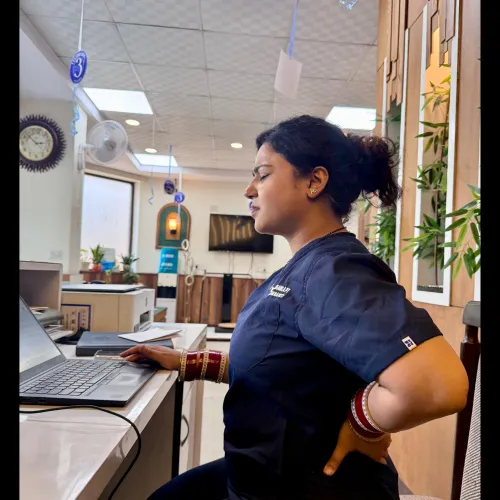
There are multiple mechanism of shoulder pain such as impingement, bursitis, labral tear, instability, or referred pain from the neck. Occupation in which there is laptop use, rounded shoulders, and elevated keyboards may cause trapezius and rotator cuff overload. Manual jobs like overhead sports, and sudden increases in training load can further increase the risk.
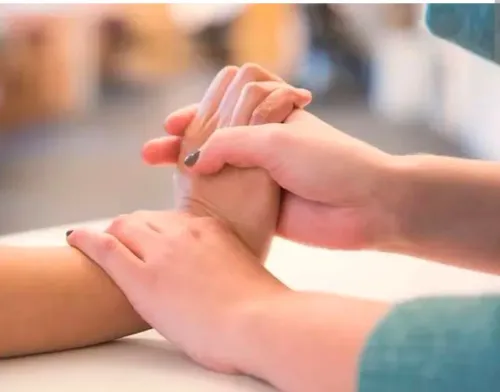
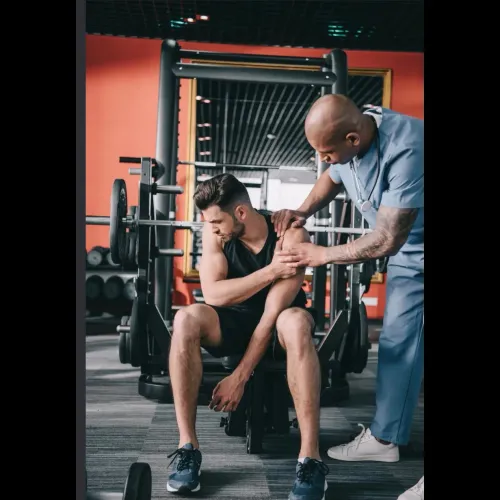
Physiotherapy starts with a assessment. After the assessment a protocol is formed for pain reduction, mobility restoration, and strengthening. Early phase can include heat and cold application with gentle pain free range of motion, manual therapy such as joint mobilizations and soft tissue techniques can reduce stiffness and improve capsular and muscle flexibility.
Exercise such as pendulum, wand exercise and rotations, and thoracic extensions are done as to address the stiffness without increasing symptoms. In the later stages the rotator cuff and scapular muscles strengthening is done including isometrics for early pain relief, then isotonic exercises. Scapular muscle exercise for lower trapezius and serratus anterior are done for overhead movement and lifting.
For frozen shoulder approach which prioritizes pain management and gentle range increment, then progressive stretching at end range, and finally strengthening to improve motion and function. In athletic or post-operative cases the other exercise drills such as plyometric and sport-specific tasks are done. Throughout the rehab there are tolerance based increments and load management which reduces the risk of reinjury.
Activity modification makes recovery without complete rest.
Patient education supports long term outcomes by addressing expectations about timeline and consistency. As the strength and coordination is gained including functional tasks, overhead reach with proper scapular motion, and posture correction further improve the condition.
Prevention focuses on balance, strength, posture awareness and training. The another important task is regular thoracic mobility, rotator cuff exercises, breaks from prolonged sitting. Early treatment of persistent pain or symptoms prevents a minor condition from evolving into a prolonged limitation. With physiotherapy most shoulder pain are treated well leading back to comfortable activity of daily living, exercise, and sports.
If you or your loved one is experiencing such condition, you can visit Physionautics Clinic for expert care and Physiotherapy solutions.