
BEST PHYSIOTHERAPY TREATMENT FOR PIRIFORMIS SYNDROME IN SUKHDEV VIHAR-PHYSIONAUTICS
Piriformis syndrome is a neuromuscular condition that occurs
when the piriformis muscle, located deep in the buttock, irritates the sciatic
nerve. This can lead to pain, tingling, and numbness along the back of the leg,
resembling sciatica. While it can affect anyone, certain factors like physical
activity, prolonged sitting, or injuries may increase the likelihood of
developing this syndrome.
What is the Piriformis Muscle?
The piriformis muscle plays a vital role in hip movement,
helping with external rotation and stabilization of the hip joint. It runs from
the lower spine to the top of the femur and is essential for activities such as
walking, running, and climbing stairs. When this muscle becomes tight or
spasms, it can compress the sciatic nerve, leading to the symptoms associated
with piriformis syndrome.
Symptoms of Piriformis Syndrome
The hallmark symptoms of piriformis syndrome include:
- Pain in the buttock that may
radiate down the leg
- Numbness or tingling in the back
of the leg and foot
- Difficulty sitting for prolonged
periods
- Pain that worsens with
activities like climbing stairs or running
These symptoms can significantly impact daily activities,
making early diagnosis and treatment crucial.
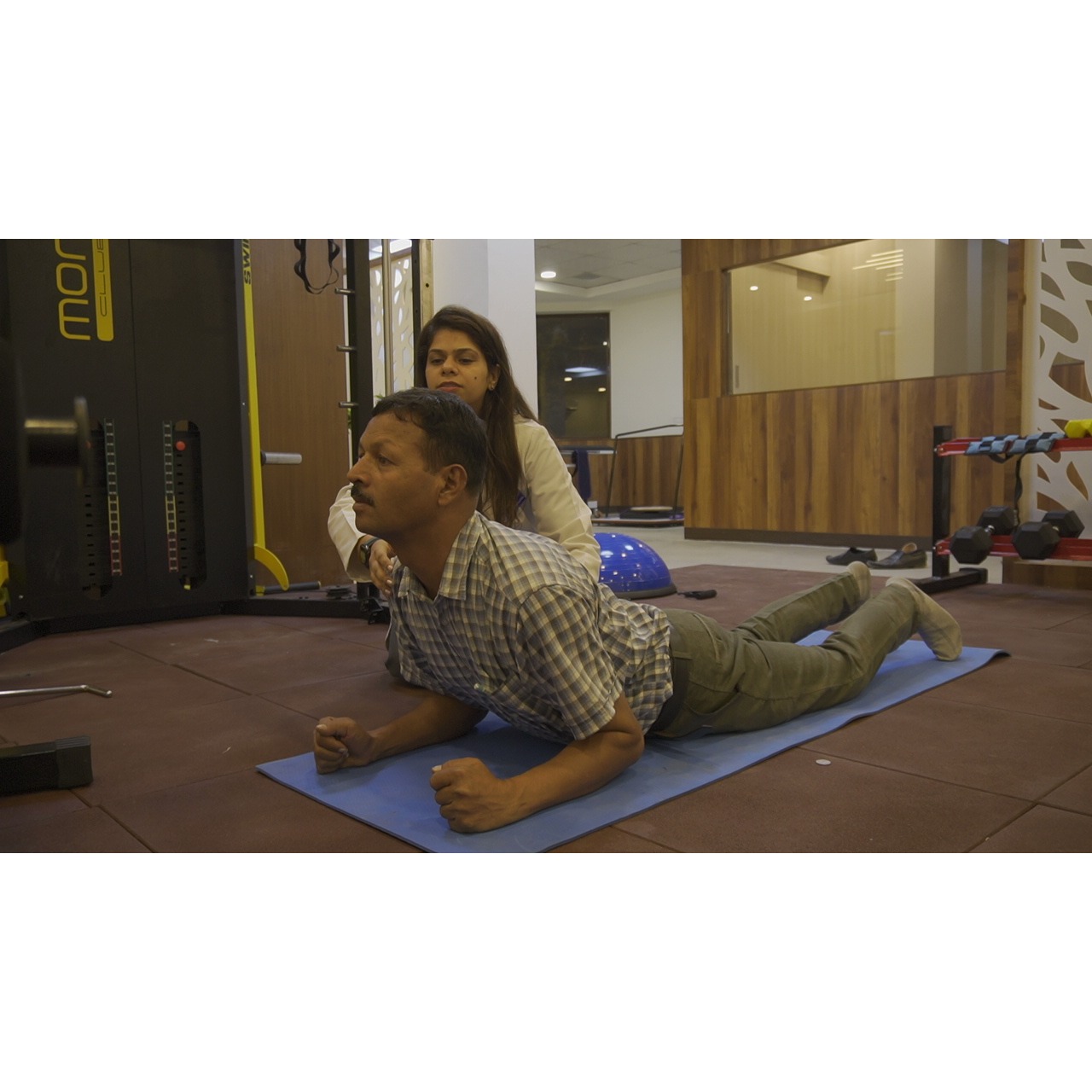
Physiotherapy: An Effective Treatment Approach
Physiotherapy is a cornerstone of treatment for piriformis
syndrome. The primary goals of physiotherapy are to reduce pain, improve
function, and prevent recurrence.
At Physionautics, we conduct a comprehensive assessment to
understand the severity of the condition and any underlying issues contributing
to the pain.
We also provide advice on ergonomics, recommending
adjustments in seating, workstations, and daily activities to minimize
symptoms.
Piriformis syndrome can be a frustrating condition, but with
proper diagnosis and treatment, you can find relief and regain their quality of
life.
PhysioNautics will help in managing symptoms, restoring
function, and preventing recurrence.