
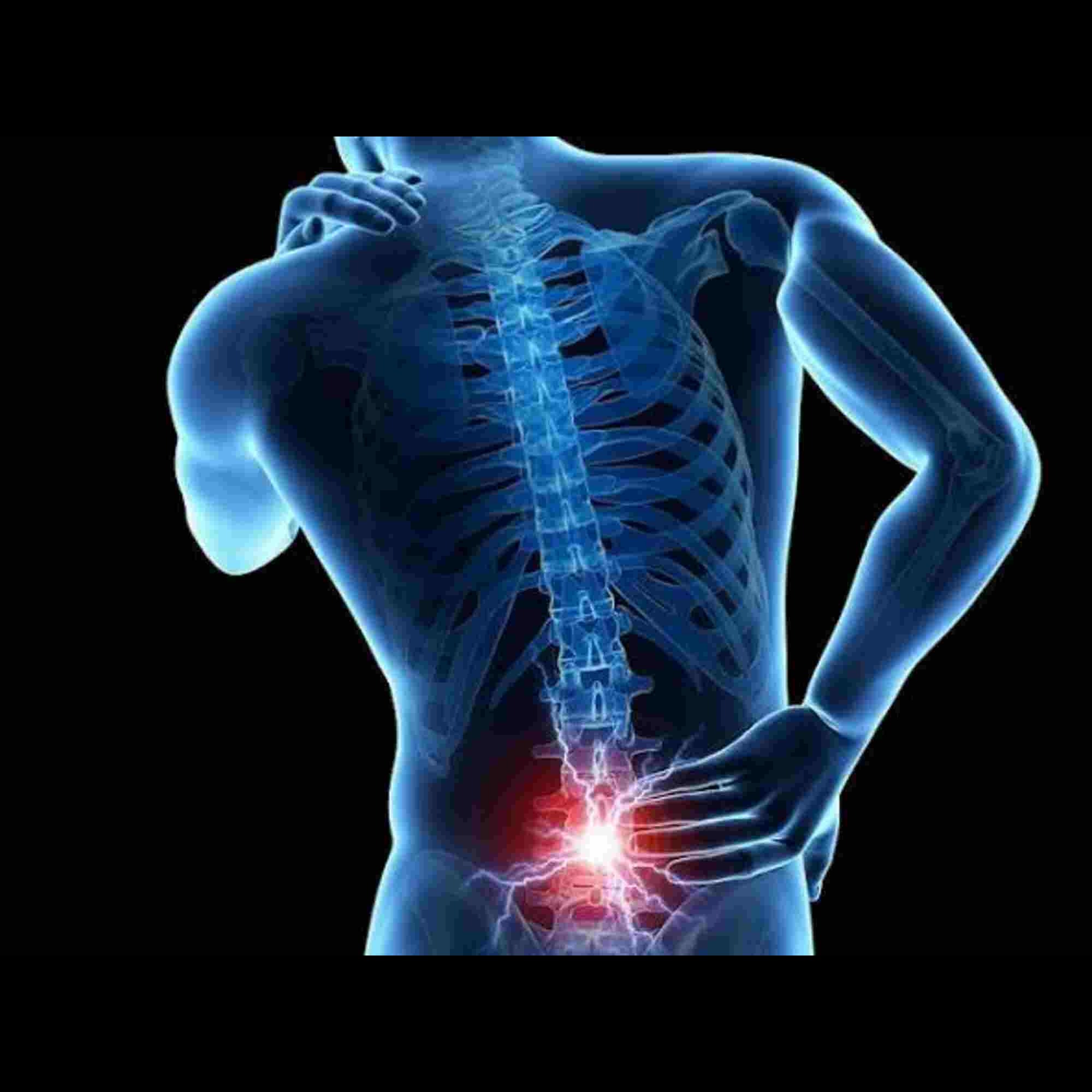
In a patient with lower back pain, treatment begins with biomechanical correction, where posture analysis, spinal alignment, and faulty movement patterns (like prolonged sitting or improper lifting) are assessed and corrected through education and ergonomic advice. Next, inflammation control is achieved using modalities such as TENS, ultrasound therapy, and cryotherapy or heat therapy, depending on the stage of pain, to reduce pain and muscle spasm. The zero pain approach focuses on avoiding aggravating activities while encouraging gentle, pain-free movements such as pelvic tilts and lumbar mobilization to maintain mobility. Under healing and strengthening, gradual progression of exercises is done, including core stabilization (transverse abdominis activation), McKenzie extension exercises, and strengthening of back extensors and hip muscles to support the spine. Finally, quality of life improvement involves functional training, posture re-education, and lifestyle modifications like weight management, regular physical activity, and stress reduction to prevent recurrence and ensure long-term recovery.