
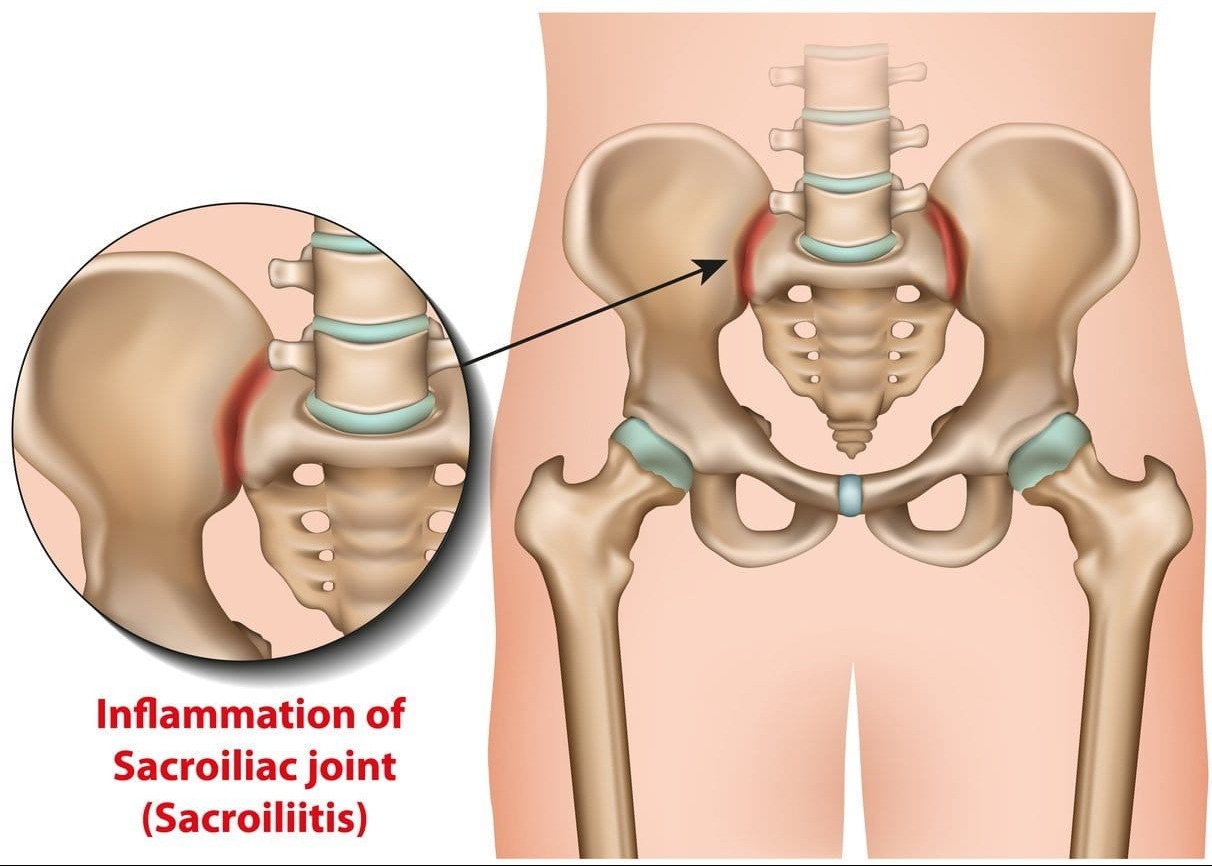
Sacroiliac (SI) joint dysfunction is a condition affecting the joint that connects the sacrum at the base of the spine with the pelvis. Irritation, altered movement, stiffness, or excessive stress around this joint can lead to pain and difficulty with everyday movements. The pain is commonly felt in the lower back, buttocks, hip region, or sometimes extending toward the thigh or leg.
Common Symptoms
Patients with SI joint dysfunction may experience:
Pain in the lower back or buttock region
Pain while walking, climbing stairs, or standing for long periods
Discomfort when getting up from a chair or changing position in bed
Stiffness around the pelvis or lower back
Pain during prolonged sitting
Difficulty performing certain daily or physical activities.
Common Contributing Factors
SI joint problems may develop due to:
Poor posture and prolonged sitting
Muscle weakness or imbalance
Repetitive or physically demanding activities
Previous injuries or falls
Reduced hip or pelvic mobility
Pregnancy-related changes
Improper movement patterns or excessive loading
Since SI joint pain can sometimes resemble lumbar disc, hip, or other musculoskeletal conditions, an accurate clinical assessment is important before starting treatment.
Physiotherapy Treatment at Physionautics
At Physionautics Physiotherapy Clinic, treatment is planned according to the individual's symptoms, assessment findings, activity level, and functional goals. The primary aim is to reduce pain, restore mobility, improve pelvic and spinal stability, and help the patient return to normal activities.
Our rehabilitation approach may include:
Manual therapy: Appropriate joint mobilization and soft-tissue techniques to improve mobility and reduce discomfort.
Core stabilization: Exercises to improve trunk and pelvic control.
Gluteal strengthening: Progressive strengthening of the muscles supporting the pelvis.
Hip mobility exercises: To address mobility restrictions that may contribute to altered movement.
Movement retraining: Improving posture, pelvic control, and functional movement patterns.
Progressive strengthening: Gradually improving strength and tolerance for daily and physical activities.
Patient education: Guidance regarding sitting, lifting, posture, activity modification, and home exercises.
Our Goal
At Physionautics, we focus on more than temporary pain relief. Our goal is to identify the factors contributing to the patient's symptoms and develop a personalized rehabilitation program that improves strength, mobility, stability, and confidence.
With proper assessment, appropriate manual therapy when indicated, progressive exercise, and consistent home rehabilitation, many patients with SI joint-related pain can achieve significant improvement in function and quality of life.