
Balance Impairment
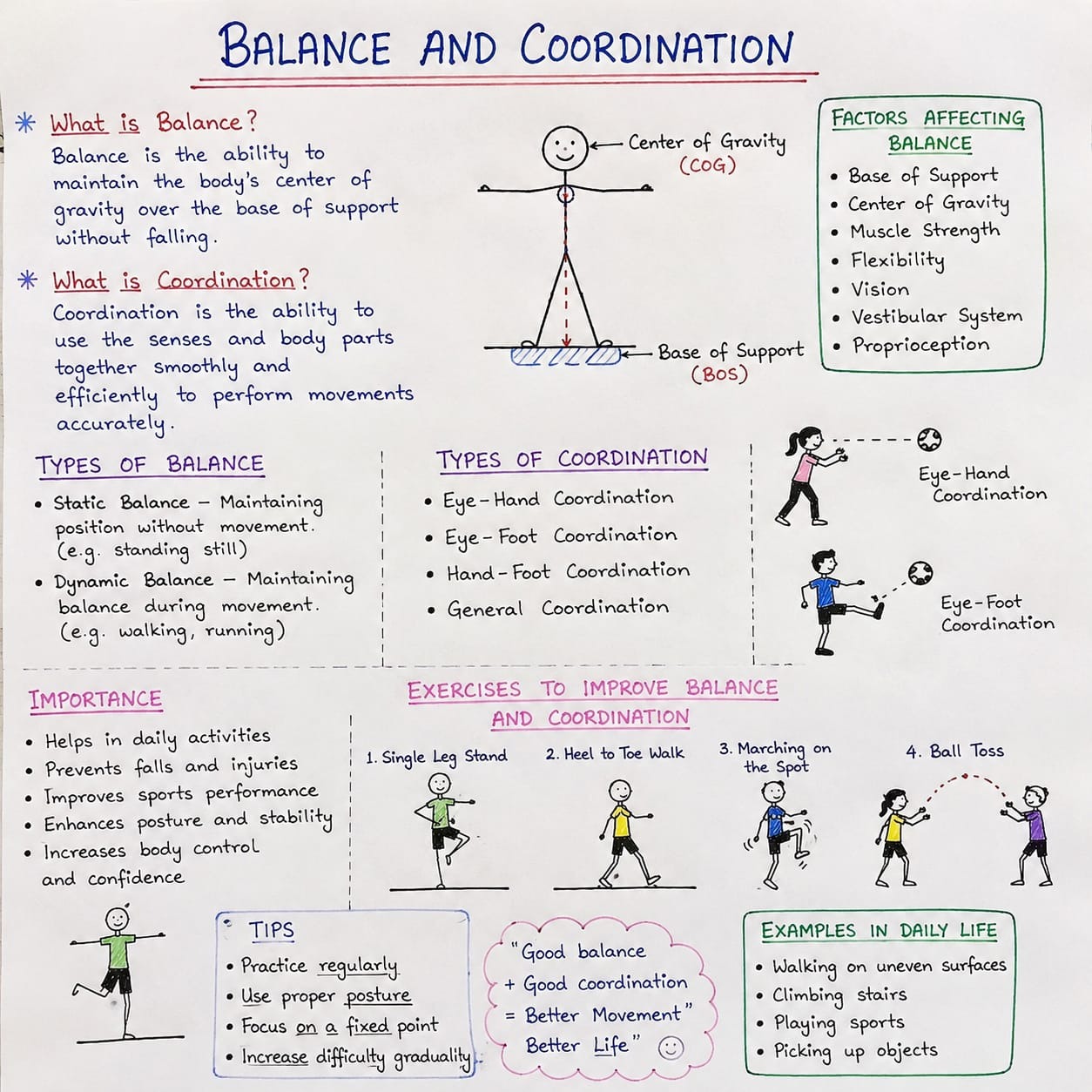
Balance impairment means difficulty in keeping the body stable and preventing falls during sitting, standing, walking, or daily activities. A person with balance impairment may feel unsteady, walk with difficulty, lose balance easily, or feel afraid of falling. Balance depends on the brain, eyes, inner ear, muscles, joints, and nerves working together. Balance problems can happen because of muscle weakness, injury, stroke, cerebral palsy, Parkinson’s disease, aging, joint problems, or problems with the nervous system. Balance impairment can affect a person’s confidence, walking ability, and independence in daily life.
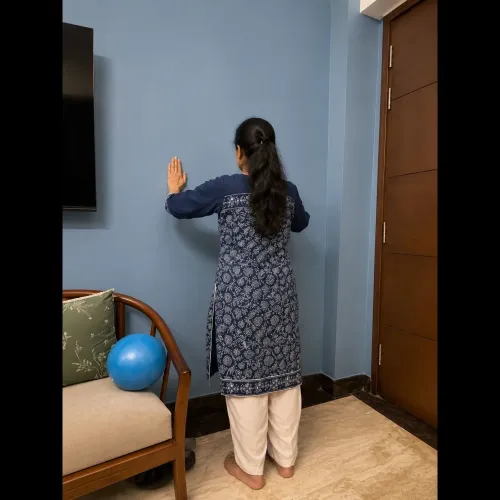
At Physionautics Clinic, we first assess the patient’s balance, muscle strength, posture, walking pattern, joint movement, and risk of falling. After assessment, the physiotherapist makes an exercise program according to the patient’s condition and ability. Balance exercises may include sitting balance, standing balance, weight-shifting exercises, reaching activities, and stepping exercises. We can also use strengthening exercises for the legs, hips, and core muscles because strong muscles help the body maintain stability. Walking and gait training can improve coordination and safe movement. Activities such as walking forward and backward, side walking, changing direction, stepping over small obstacles, and heel-to-toe walking can be used when they are safe for the patient. Proprioception exercises can also help the body understand its position and improve control. For some patients, vestibular exercises may be helpful when balance problems are related to the inner ear. We also teach patients how to stand, walk, and move safely to reduce the risk of falls.
Regular physiotherapy and home exercises can help improve balance, strength, coordination, confidence, and independence. All exercises should be performed under proper guidance, especially in patients who have a high risk of falling.