


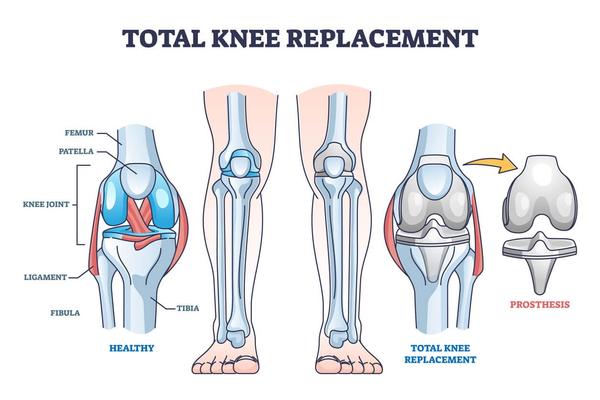
BEST PHYSIOTHERAPY TREATMEMT AFTER TOTAL KNEE REPLACEMENT SURGERY IN NEW FRIENDS COLONY.
2026-04-04T07:40:15  read more
 read more
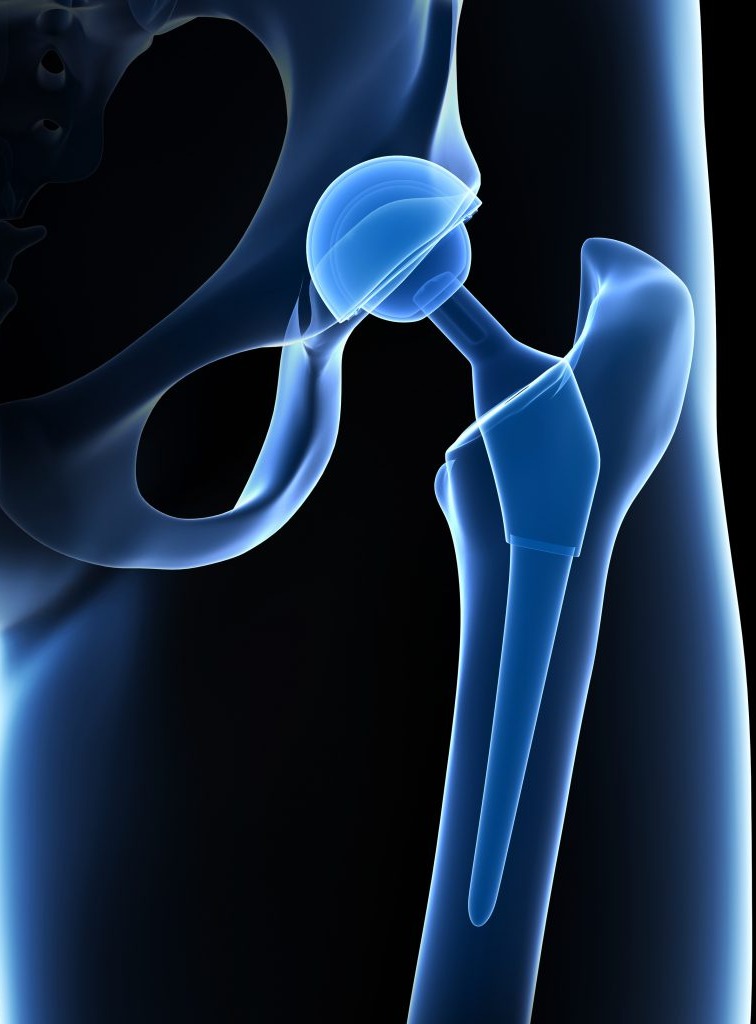

Total hip replacement surgery is advised when hip joint damage becomes severe and affects daily life. Common reasons include advanced osteoarthritis, rheumatoid arthritis, fractures, or avascular necrosis. Patients usually complain of severe pain, stiffness, difficulty in walking, climbing stairs, or even sitting.Physiotherapy is very important for successful recovery.Pre-operative (before surgery):Strengthening hip and surrounding muscles Improving flexibility.Teaching walking with walker/crutches.Patient education for post-surgery precautions Post-operative (after surgery):Pain and swelling management.Early mobilization (sitting, standing, walking).Range of motion exercises.Strengthening of hip, glutes, and core muscles.Gait training to normalize walking, Balance and functional training. At Physionautics, we focus on personalized and advanced rehabilitation for faster and safer recovery:Electrotherapy like ultrasonic therapy TNS , IFT which helps reduce pain and inflammation.Myofascial Release: Relieves muscle tightness and improves mobility , Manual Therapy: Enhances joint movement and reduces stiffness.Balance & Proprioception Training: Prevents falls and improves confidence.Gait Analysis & Correction: Ensures proper walking pattern Strength Training Programs: Tailored to each patient’s condition We also provide guided rehabilitation plans, ensuring gradual progression from basic movements to advanced functional activities like stair climbing and daily tasks. At Physionautics, we believe in a holistic approach—combining expert assessment, customized exercise programs, and advanced techniques. Our goal is to help patients regain independence, improve strength, and return to normal life as quickly and safely as possible.Early physiotherapy and proper guidance can make a huge difference in recovery after total hip replace
 read more
 We hate spam too.


