
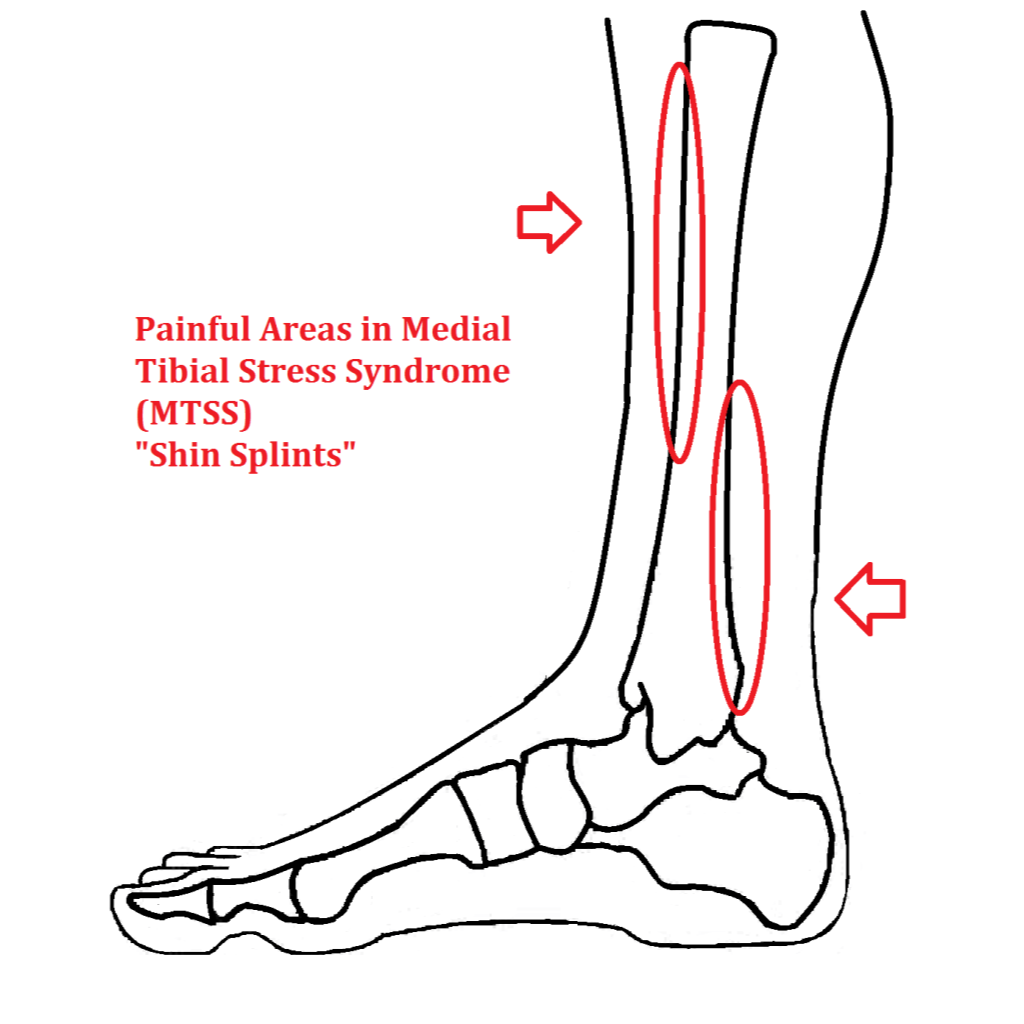
Medial tibial stress syndrome - It’s a common overuse
injury, especially in runners, athletes, and people who suddenly boost their
activity levels. What Exactly Are Shin Splints?
Shin splints happen when the muscles and tissues around your
shinbone (tibia) get irritated from repetitive stress.
Why Do They Happen?
Some of the most common reasons include:
- Jumping into intense activity without building up
gradually.
- Wearing worn-out or unsupportive shoes.
- Flat feet or excessive inward rolling of the foot
(overpronation).
- Training on hard or uneven surfaces.
- Weak muscles in the calves or feet, which can’t absorb
shock properly.
Symptoms
- Tenderness or pain along the inside of your shin.
- Mild swelling in the lower leg.
- Pain that kicks in during exercise and improves with rest.
- In more severe cases, pain may stick around even when
you’re resting.
How Physiotherapy Can Help Shin splints aren’t just
something to “run through.”
Ignoring them can make the problem worse sometimes even
leading to stress fractures. Physiotherapy focuses on:
1. Easing pain and swelling with ice, gentle manual therapy,
or ultrasound.
2. Finding the root cause whether it’s running form,
footwear, or muscle weakness.
3. Rebuilding strength and flexibility in calves, ankles,
and feet.
4. Fixing movement patterns so the problem doesn’t come
back.
Treatment Approach
1. Rest and Adjusting Activity Take a break from high-impact
workouts and switch to low-impact exercises like swimming or cycling for a
while.
2. Stretching - Calf stretch: Stand facing a wall, one leg
behind you, heel down, and stretch the calf. - Soleus stretch: Same as above
but with the back knee slightly bent.
3. Strengthening - Toe raises: Lift your toes while your
heels stay on the floor. - Heel raises: Rise up on your toes to strengthen the
calves.
4. Footwear & Support Good shoes (or orthotics if
needed) can make a huge difference in reducing strain.
5. Gradual Return to Sport Once pain-free, physiotherapist
will help slowly to get back to usual training.
Preventing Shin Splints
- Warm up before exercise.
- Increase activity levels gradually.
- Replace old running shoes regularly.
- Keep your lower leg muscles strong and flexible.
Shin splints can be annoying, but they don’t have to keep sidelined
for long. With the right physiotherapy approach and a little patience, you can
recover fully and avoid having them come back.