
Hip pain is a common condition that can affect people of all age groups, including young adults, working professionals, homemakers, and athletes. It may begin as mild discomfort or stiffness in the hip region but can gradually interfere with daily activities such as walking, sitting, climbing stairs, bending, or even sleeping comfortably. Many individuals tend to ignore early symptoms, but if left untreated, hip pain can progress to limited mobility, weakness, and long-term functional problems.
The hip joint is one of the largest and most stable joints in the body, designed to bear weight and allow smooth movement. However, due to its constant use, it is also vulnerable to strain and injury. Hip pain can arise from muscle tightness, ligament strain, bursitis, arthritis, labral issues, or referred pain from the lower back. Lifestyle factors such as prolonged sitting, lack of physical activity, poor posture, improper exercise techniques, or sudden increases in activity levels often contribute to the condition. Common symptoms include pain in the groin, outer hip, or buttock region, stiffness, reduced range of motion, difficulty in walking, and sometimes pain radiating down the leg.
Physiotherapy plays a crucial role in effectively managing hip pain by addressing the root cause rather than just providing temporary relief. A well-structured rehabilitation program helps reduce pain, improve joint mobility, strengthen supporting muscles, and prevent recurrence.
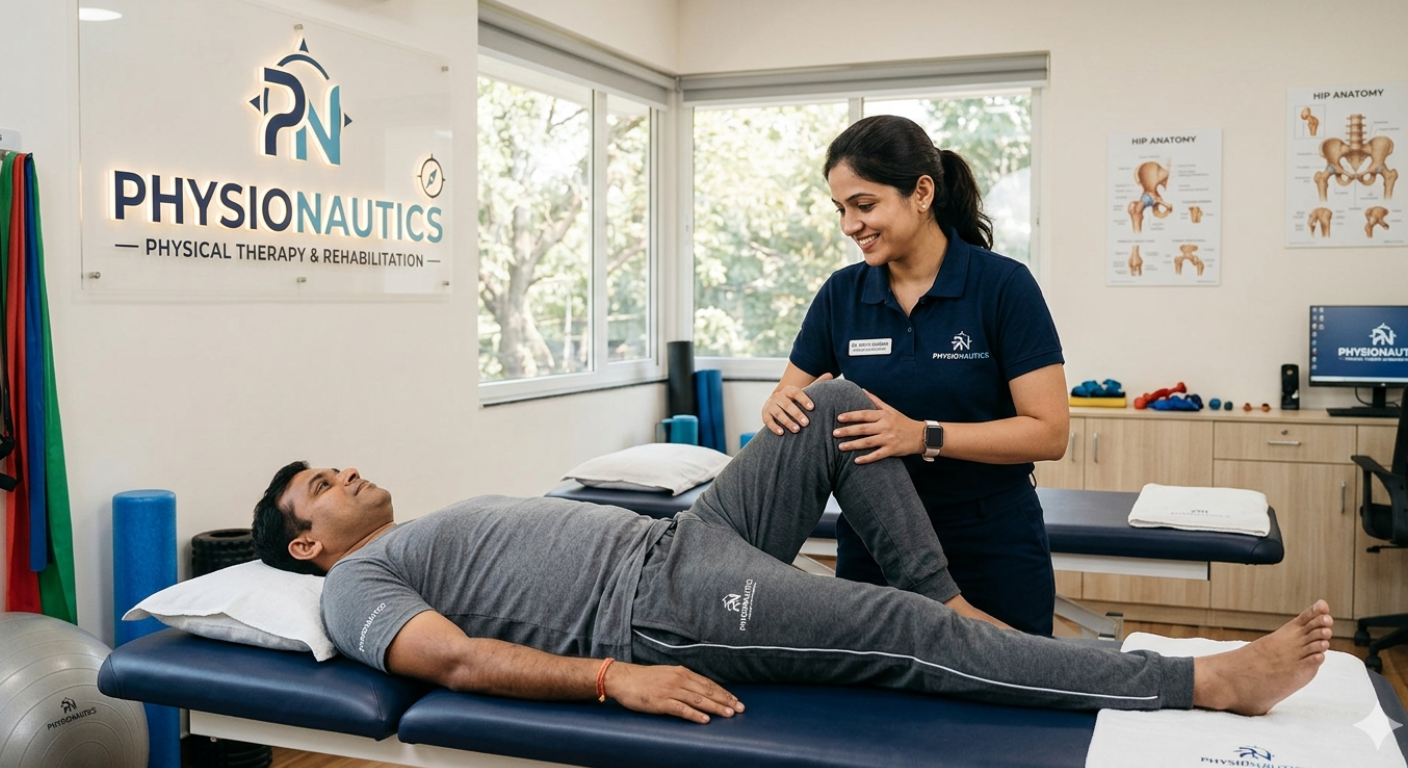
At PhysioNautics, we follow an individualized and evidence-based approach tailored to each patient’s condition and lifestyle. The treatment begins with a detailed assessment to identify the exact source of pain along with posture, movement patterns, and daily habits. In the initial phase, the focus is on pain relief and inflammation reduction using modalities such as electrotherapy and manual therapy techniques.
As the pain subsides, gentle mobility exercises are introduced to restore joint movement and reduce stiffness. Gradually, strengthening exercises are incorporated to improve muscle support around the hip, enhance stability, and promote better movement control. Special emphasis is placed on posture correction, gait training, and ergonomic advice to minimize stress on the hip during daily activities.
Patients are also guided with a personalized home exercise program to maintain progress and ensure long-term recovery. Education about activity modification and lifestyle changes is an essential part of the rehabilitation process.
Ignoring hip pain can lead to worsening symptoms and reduced quality of life, but timely physiotherapy intervention can significantly improve outcomes. At PhysioNautics, our goal is not only to relieve pain but also to restore optimal function, improve strength and mobility, and help you return to your daily activities with confidence and ease.