

Migraines are intense, throbbing pains on one side of the head and can last for twenty four to seventy two hours. People with migraines also feel nausea, vomiting, and become extremely sensitive to light and sound. Some people also feel dizzy, and experience brain fog, or have neck pain with migraine attacks. The intensity of these headaches makes difficult for patients to perforrm activity of daily living. While medicines are commonly prescribed to manage migraines, but physiotherapy offers an effective way to reduce frequency of migraines and severity.
Primary goal is to identify the triggers or cause of migraine. Researches found that migraines happen due to changes in the brainstem and its connection with a nerve pathway called the trigeminal nerve. Also, imbalances in brain chemicals such as serotonin and calcitonin play a significant role in migraine pain. When these chemical messengers become unbalanced and the blood vessels around the brain swell and inflammation develops which leads to pulsing or throbbing pain. There are various triggers of migraine, such as stress, bright lights, loud sounds, odour, and certain foods as caffeine, alcohol and hormonal changes and even lack of sleep. Each person's triggers can be completely different, making treatment highly personalized and customised.
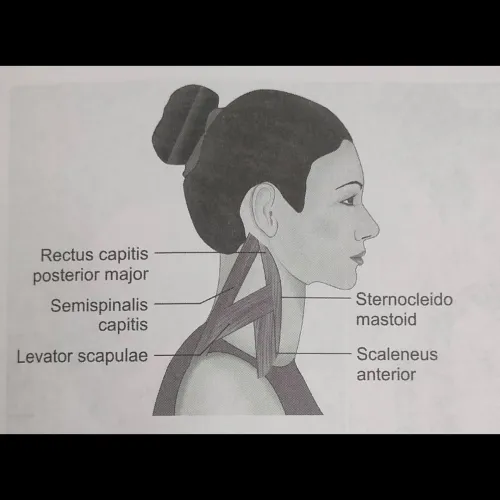
Physiotherapy manages the physical and muscular factors that contribute to migraine pain, particularly tension in the neck and shoulders. Many people who have migraine experience tight neck muscles, poor posture, and muscle imbalances that trigger or worsen the headaches. Physiotherapist identify these underlying issues and MAKE a treatment plan specifically designed to reduce the frequency and intensity of migraine attacks.
One of the most effective way of physiotherapy for migraines is aerobic exercise. Studies show that regular moderate intensity aerobic exercise significantly reduces migraine frequency, intensity. Activities such as walking, swimming, or cycling done regularly to improve overall quality of life and reduce how often someone suffers from migraines. Manual therapy techniques where therapist work directly to release tension and improve mobility. Exercises are a crucial part of migraine management. Stretching exercises helpful because they reduce excess muscle tension. Strengthening exercises targeting back, shoulder, and neck muscles help stabilize the posture and reduce strain on these areas.
Other than exercises incorporates relaxation techniques that help manage stress, one of the most common migraine triggers.
If you are facing similar kind of problem then do visit Physionautics clinic