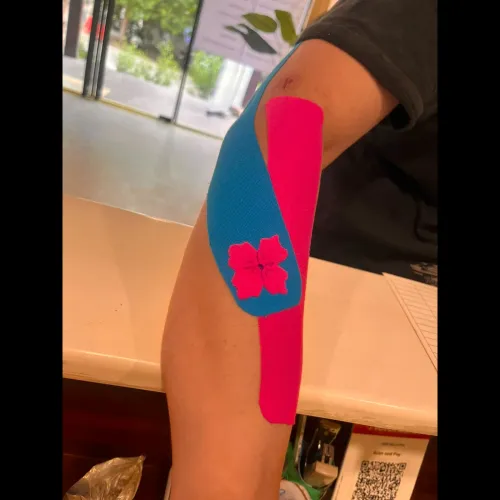

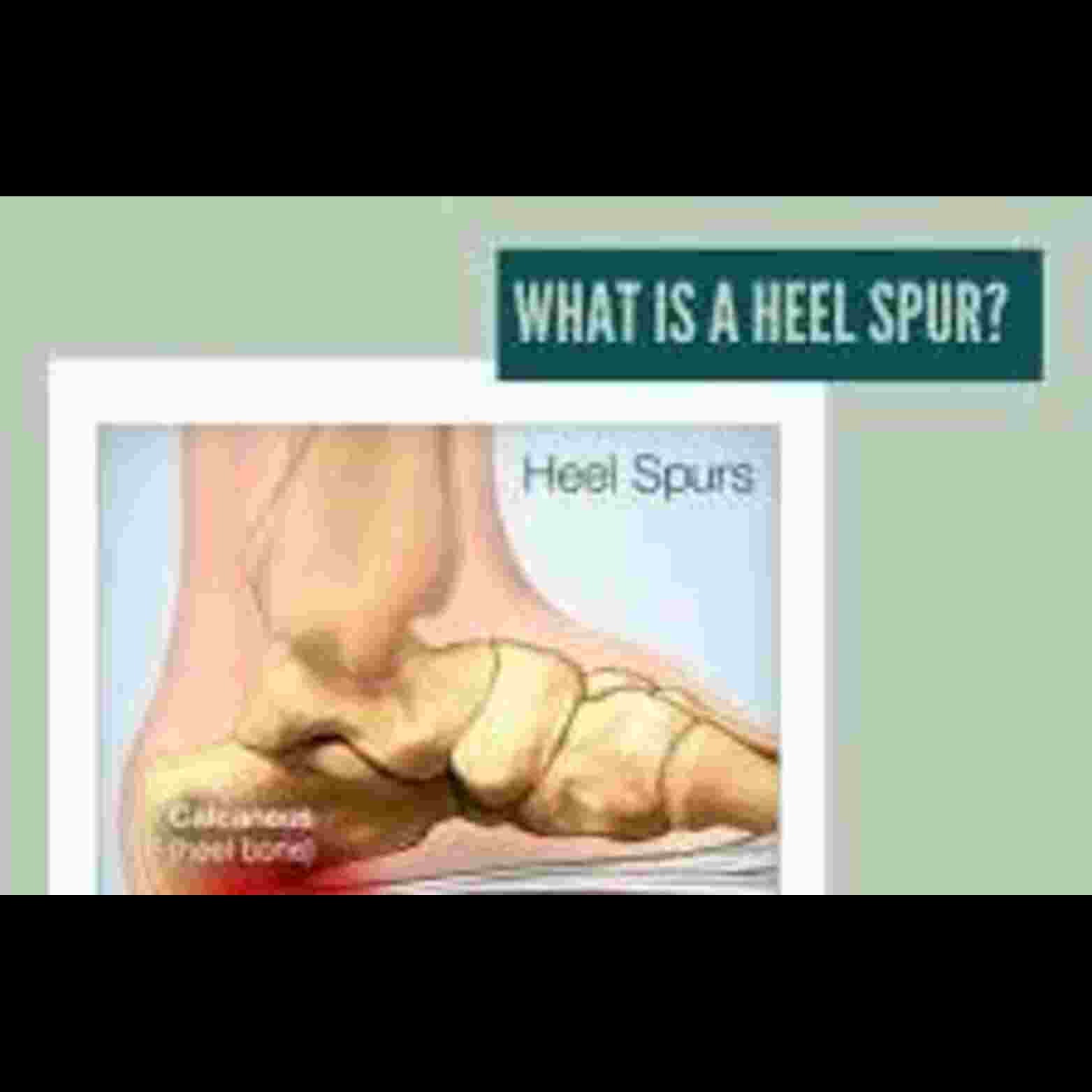
A heel spur may seem like a small issue, a tiny bony growth at the base of the heel...but for those who experience it, each step can carry a sharp reminder of discomfort. Often linked with plantar fasciitis, heel spurs form when calcium deposits build up over time where the plantar fascia attaches to the heel bone. The result is a stabbing pain under the heel, especially with the first steps in the morning or after long periods of standing. It’s not just a physical ailment, it can quietly change the way someone walks, moves, and even starts their day. That’s where physiotherapy becomes essential, not just to ease pain, but to restore comfort in movement and confidence in every step.In the physiotherapy clinic, care begins with understanding the person, not just the pain. The therapist listens to how the heel spur developed...was it due to long hours on hard floors, ill-fitting shoes, or an ongoing issue like flat feet or tight calf muscles? Every cause has its own story. A physical assessment looks beyond the heel itself such as examining gait patterns, foot mechanics, and lower limb alignment to identify underlying strain. Early sessions often focus on relieving pain through modalities like ultrasound, cryotherapy, or gentle soft-tissue massage to reduce inflammation. But the long-term focus is deeper: restoring healthy movement patterns and preventing recurrence through tailored exercises and education.Rehabilitation for a heel spur blends science with empathy. The physiotherapist might introduce stretching routines for the plantar fascia and calf muscles, as well as strengthening exercises for the foot’s intrinsic muscles. These small stabilizers play a big role in maintaining arch integrity. Manual therapy can help release tension along the fascia, while taping or orthotics might be recommended to support the heel during recovery. Just as importantly, patients learn about proper footwear, shoes that cushion impact, support the arch, and reduce strain on the heel. Gradual progression is key --- physiotherapy encourages pain-free function rather than pushing through pain, reminding patients that healing is a process to be respected, not rushed.Over time, what begins as an effort to treat pain often turns into a transformation in awareness.Ultimately, physiotherapy for heel spur is about reclaiming movement and confidence. It’s not just about removing pain but restoring the freedom to move without hesitation.