
Wrist pain has become one of the most common complaints among people today, especially those who spend long hours working on computers, using mobile phon, or doing repetitive hand movements. When any of these structures get irritated or injured, pain develops, which can make even simple tasks like writing, lifting, or typing uncomfortable.
Wrist pain can happen for many reasons. Sometimes it occurs suddenly after a fall or injury, like in the case of a sprain or fracture. But in most people, it develops gradually over time due to overuse. Office workers who type or use a mouse continuously experience discomfort due to repetitive stress. People who do push-ups, lifting, or weight training without proper wrist stability may also have pain. Also who cook, stitch, or work in salons or factories often repeat the same wrist actions for hours, leading to muscle fatigue and tendon irritation. Conditions like tendonitis, carpal tunnel syndrome, arthritis, or nerve compression can also cause wrist pain.
Carpal tunnel syndrome is one of the most common causes. People with this issue complain of numbness, tingling, or a burning sensation in the hand or fingers, especially at night. Tendonitis is another common cause where the tendons around the wrist become inflamed due to repetitive activity. Arthritis, particularly osteoarthritis or rheumatoid arthritis, can also cause pain, stiffness, and swelling in the wrist.
Physiotherapy plays a major role in managing and treating wrist pain. The first step is to assess. A physiotherapist then curate a treatment plan according to the severity of the conditions. In acute conditions, physiotherapy firstly focuses on reducing pain and inflammation. This includes relative rest, ice pack, or electrotherapy modalities such as ultrasound, TENS, LASER & IFT that help reduce swelling and discomfort. Once the pain starts to settle, the therapist introduces exercises to restore movement and prevent stiffness. These exercises are very important because they strengthen the wrist muscles and improve flexibility, which helps prevent future pain. Exercises such as stretching exercises to improve mobility, while strengthening exercises focus on stabilizing the wrist.
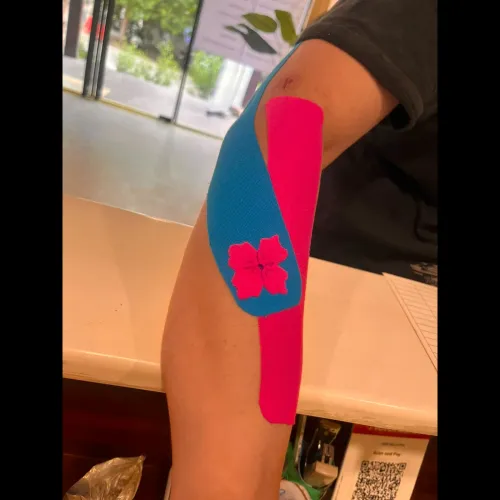
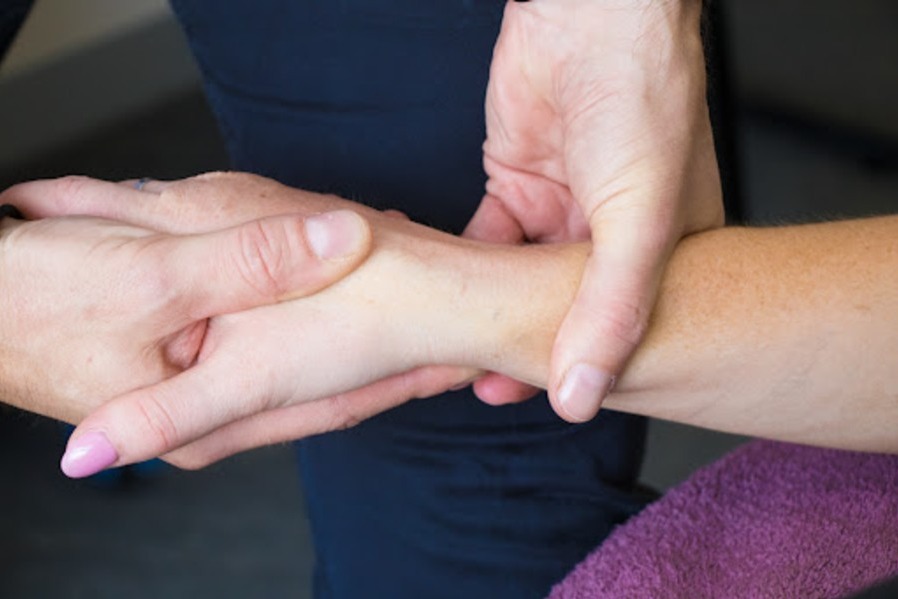
In some cases taping may be used to support the wrist temporarily, particularly if a sprain or ligament injury is involved. Manual therapy, in which hands-on techniques to mobilize the wrist and improve blood flow.Ignoring wrist pain can make it worse with time. What starts as mild discomfort can turn into chronic pain or even nerve damage if left untreated.
At Physionautics, we stand by you through every stage of this journey, ensuring you don’t just recover, but thrive. so contact us today and book your appointment