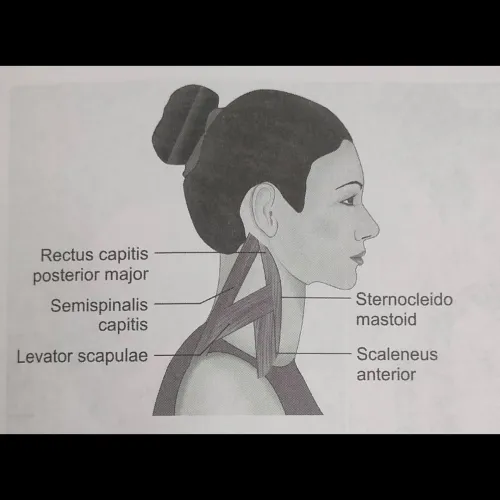

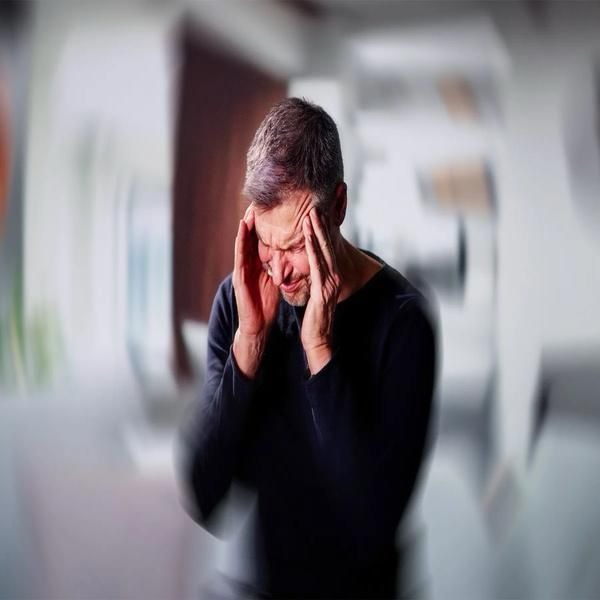
Positional vertigo is a condition in which a person experiences dizziness, spinning, or a sense of imbalance during everyday movements such as getting up from bed, turning while lying down, bending forward, or standing up. One of the most common forms is Benign Paroxysmal Positional Vertigo, which occurs due to disturbances in the inner ear balance system, also known as the vestibular system. However, vertigo is not always limited to the ear, as factors like poor posture, cervical spine issues, prolonged screen use, sudden drops in blood pressure, stress, fatigue, or previous head injuries can also contribute to it. Individuals often report symptoms such as a spinning sensation, unsteadiness while walking, nausea, heaviness in the head, blurred vision, and even a fear of falling, sometimes accompanied by neck pain in cervical-related cases
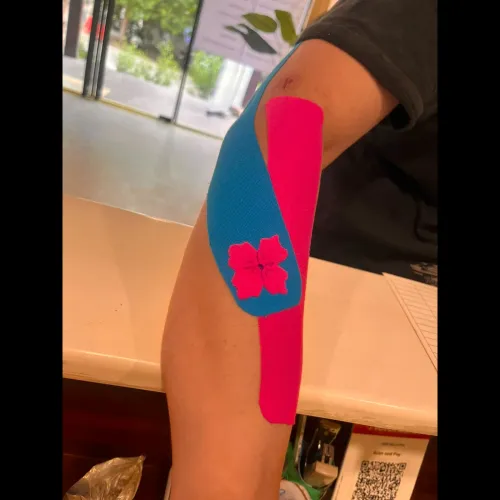
At Physionautics, the focus goes beyond just managing symptoms, as every patient undergoes a thorough assesment including postural analysis, cervical spine evaluation, vestibular testing, and balance assessment to identify the root cause. Based on this, a personalized rehabilitation plan is designed using vestibular exercises like gaze stabilization and head-eye coordination along with manual therapy, neck strengthening, and posture correction, ensuring not only faster relief but also long-term recovery and prevention of recurrence.