
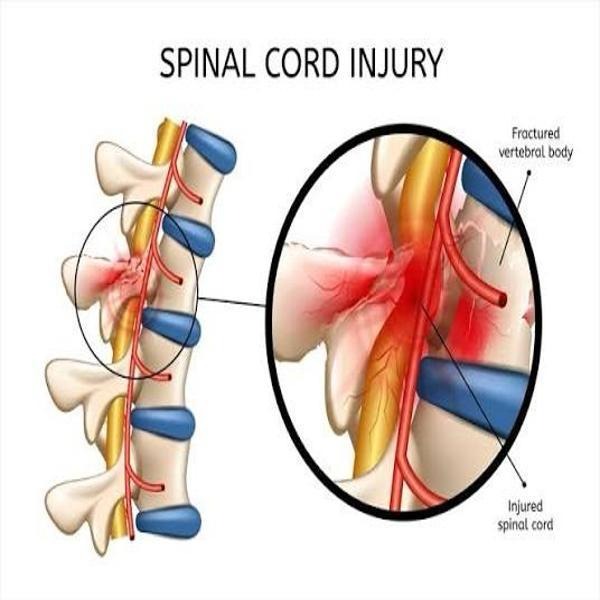
Spinal cord injury is a serious condition that happens when the spinal cord (inside back bone)gets damaged due to trauma, accident, fall, sports injury or medical conditions. It can affect movement, sensation and control of different body parts depending on the level and severity of injury. Some people may have weaknesses, while others may experience partial or complete paralysis. Problems with balance, bladder, bowel and daily activities can also occur.
Physiotherapy plays a major role in recovery after spinal cord injury. Treatment starts early and focuses on preventing complications, improving mobility and helping the person become as independent as possible. Positioning, chest physiotherapy and regular movement are important in the early stage to prevent bed sores, stiffness and breathing problems.
Exercises are prescribe according to the patient’s condition and goals. These may include range of motion exercises, strengthening of unaffected muscles, balance training, sit to stand and transfer training. As recovery improves, standing training, gait training with support and functional activities may be started when possible.
Physiotherapy also helps in improving posture, coordination and endurance. Use of braces, walkers, wheelchairs or other assistive devices may be needed depending on the level of injury. Family education is also important so proper support can be given at home.
Spinal cord injury recovery can take time and requires patience. With regular rehabilitation, proper guidance and consistent physiotherapy, many patients can improve their function, confidence and quality of life. Early treatment mostly (0-18 months) always gives better results. If you or your loved one is experiencing a similar condition, visit PhysioNautics for expert care