
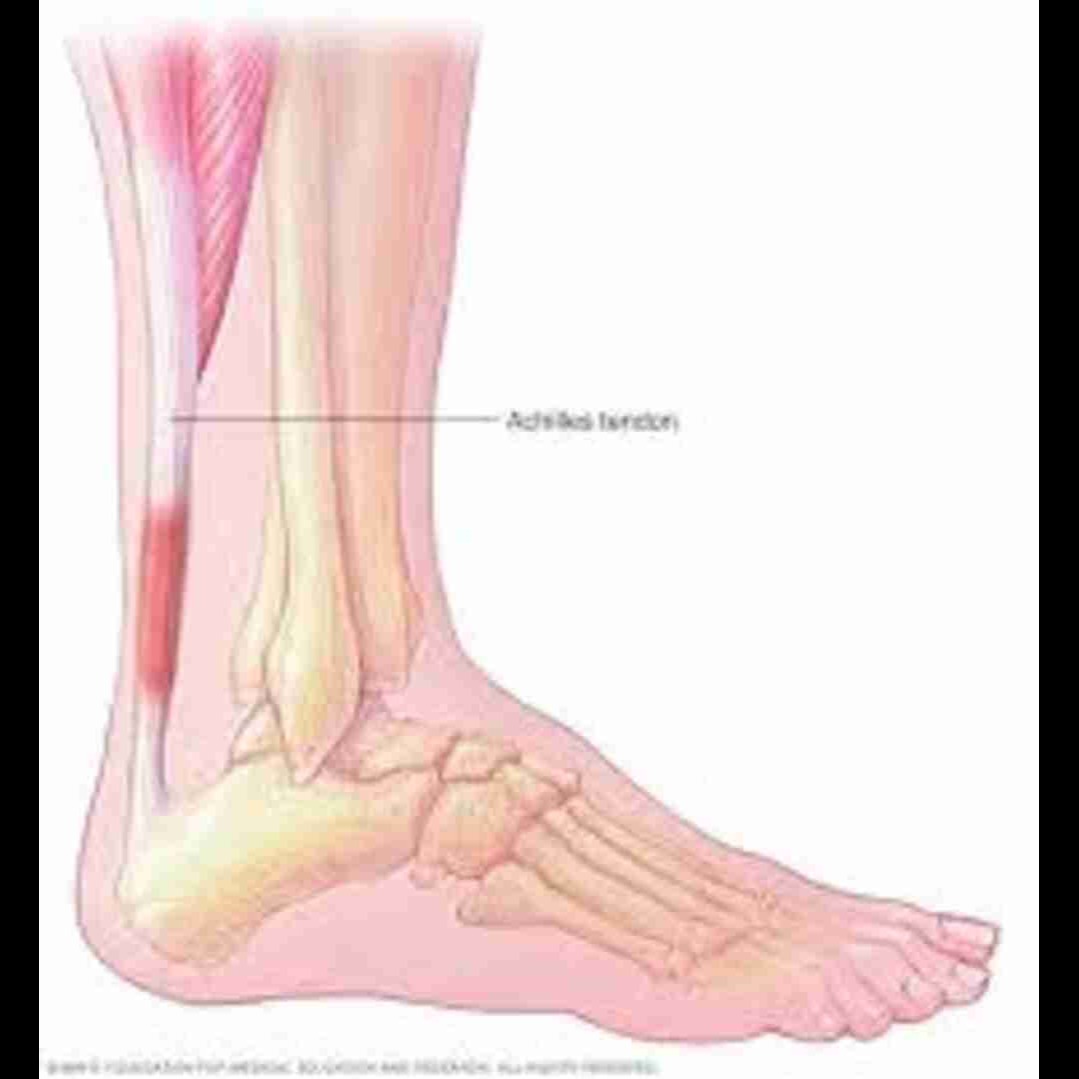
Achilles pain is a common condition seen in physiotherapy clinics and affects people of all activity levels not just runners or athletes. The Achilles tendon connects the calf muscles to the heel bone and plays a vital role in walking, running, and jumping. Because it's high loads every day, it is particularly vulnerable to irritation and injury when those loads increase suddenly or recovery is inadequate.
For many people, Achilles pain develops gradually. Early symptoms often include stiffness in the back of the ankle, especially in the morning or after sitting for long periods. You may feel discomfort during the first few minutes of walking that improves as you move, only to return later in the day. Over time, pain may become sharper, accompanied by swelling, tenderness, or a feeling of weakness when pushing off the foot. Ignoring these early signs can allow the condition to progress into chronic Achilles tendinopathy.
From a physiotherapy point of view, Achilles pain is rarely caused by a single factor. Common contributors include sudden increases in activity, poor footwear, reduced calf strength, limited ankle mobility, and altered movement patterns in the foot, knee, or hip. Long hours of standing, walking on uneven surfaces, or returning to exercise after a break can also overload the tendon.
Physiotherapy focuses on addressing the cause, not just the pain. A thorough assessment helps identify movement restrictions, muscle imbalances, and loading errors that place excess stress on the tendon. Treatment is active and progressive, rather than relying on rest alone.
One of the key components of physiotherapy for Achilles pain is graded strengthening. Specific exercises help the tendon adapt and become stronger, improving its ability to tolerate daily and sporting activities. Mobility exercises for the ankle and calf muscles are also important to reduce stiffness and improve movement efficiency. Depending on the individual, physiotherapists may also address foot mechanics, balance, and whole-body strength to support long-term recovery.
Education plays a vital role in rehabilitation. Understanding how much activity is safe, when to modify training, and how to manage flare-ups empowers patients to take control of their recovery. Complete rest is rarely recommended, as tendons need appropriate loading to heal and regain strength.
Early physiotherapy intervention can significantly reduce recovery time and lower the risk of long-term tendon problems or rupture. If Achilles pain persists for more than a few days, keeps returning, or affects walking and exercise, it is a sign that professional guidance is needed.
With the right physiotherapy approach, most people can return to pain-free movement and confidently resume their daily activities.