
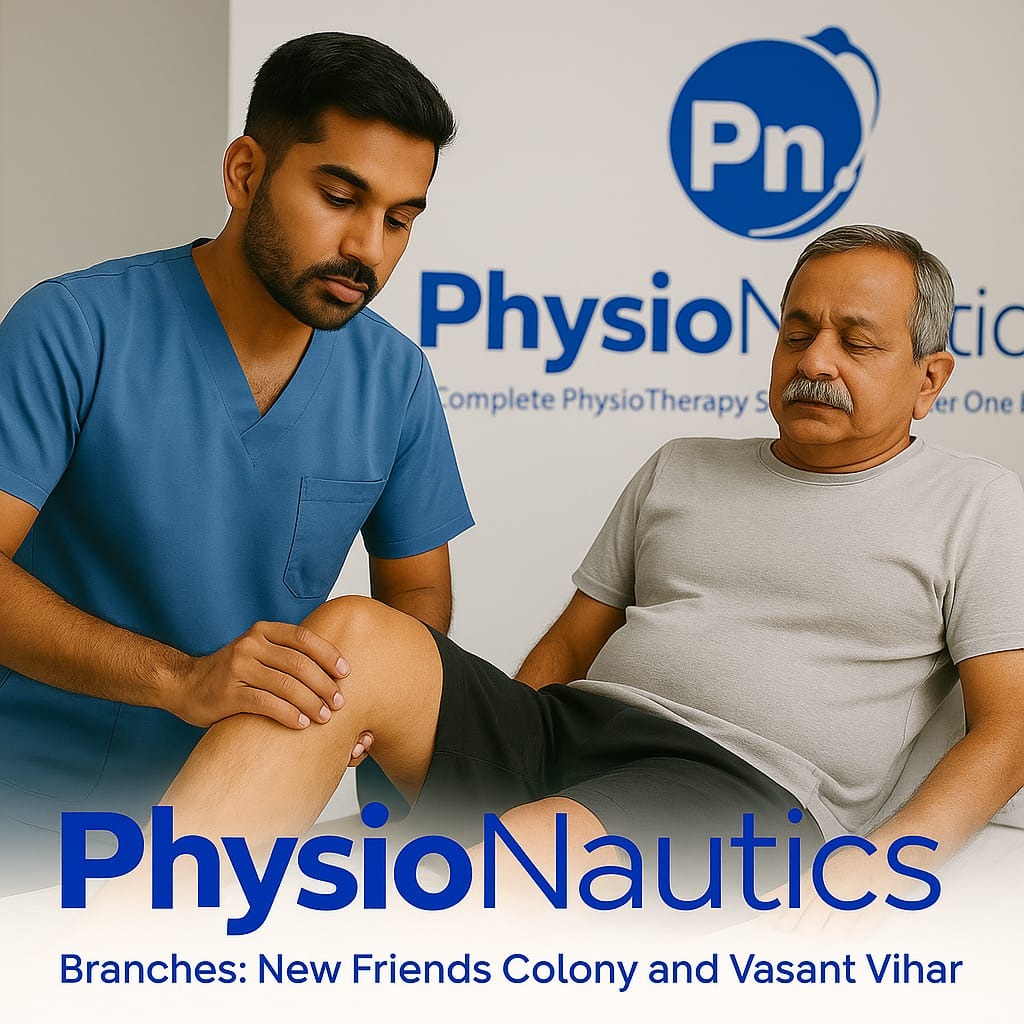
Best Physiotherapy Management for Runner's Knee
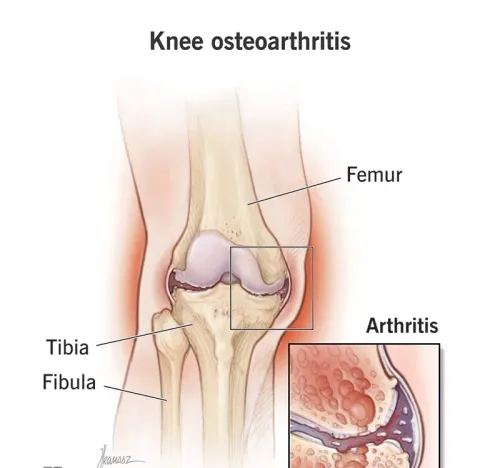
Runner’s Knee (also known as Patellofemoral Pain Syndrome) is a common condition characterized by pain around or behind the kneecap (patella), especially where it meets the lower end of the femur (thigh bone). Despite the name, it can affect non-runners as well, especially people who engage in activities that stress the knee joint (squatting, climbing stairs, sitting with bent knees for long periods, etc.).
Causes of Runner’s Knee:
⦁ Overuse from running or jumping
⦁ Muscle imbalances (especially weak quadriceps or glutes)
⦁ Poor foot biomechanics (flat feet or overpronation)
⦁ Tight hamstrings or iliotibial (IT) band
⦁ Malalignment of the kneecap
⦁ Improper training techniques or worn-out footwear
Symptoms:
⦁ Dull, aching pain around or behind the kneecap
⦁ Pain worsens with running, climbing stairs, squatting, or sitting for a long time
⦁ Clicking or grinding sensation in the knee
⦁ Swelling (occasionally)
Physiotherapy Management for Runner’s Knee:
1. Initial Phase – Pain and Inflammation Management
⦁ Rest & Activity Modification: Avoid aggravating activities (running, stairs, deep squats).
⦁ Ice Therapy: every few hours to reduce inflammation.
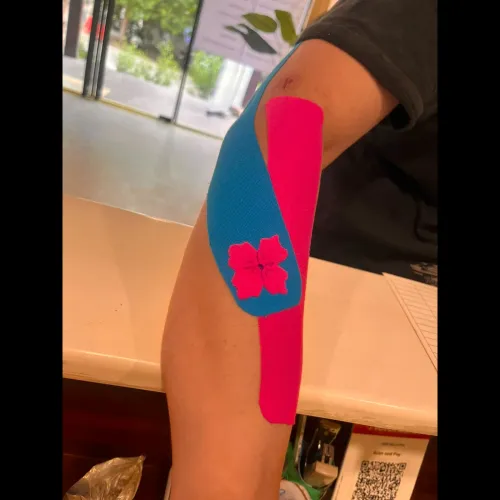
⦁ Taping: taping to help realign the patella.
⦁ Electrical Modalities: various electrical modalities to reduce pain, swelling and to promote healing.
2. Stretching Exercises
⦁ To relieve tension from tight structures:
3. Strengthening Exercises
⦁ To correct muscle imbalances and improve patellar tracking
> Avoid deep squats or lunges initially — they may increase patellofemoral pressure.
4. Biomechanical Corrections
⦁ Gait analysis and correction
⦁ Addressing foot posture (may require orthotics)
⦁ Educating on proper running technique and footwear
5. Functional & Proprioceptive Training
⦁ Balance board exercises
⦁ Mini squats and step-ups on flat and inclined surfaces
⦁ Gradual return-to-running program
6. Patient Education
⦁ Importance of warm-up and cool-down
⦁ Avoiding overtraining or sudden increases in intensity
⦁ Proper footwear with adequate support