
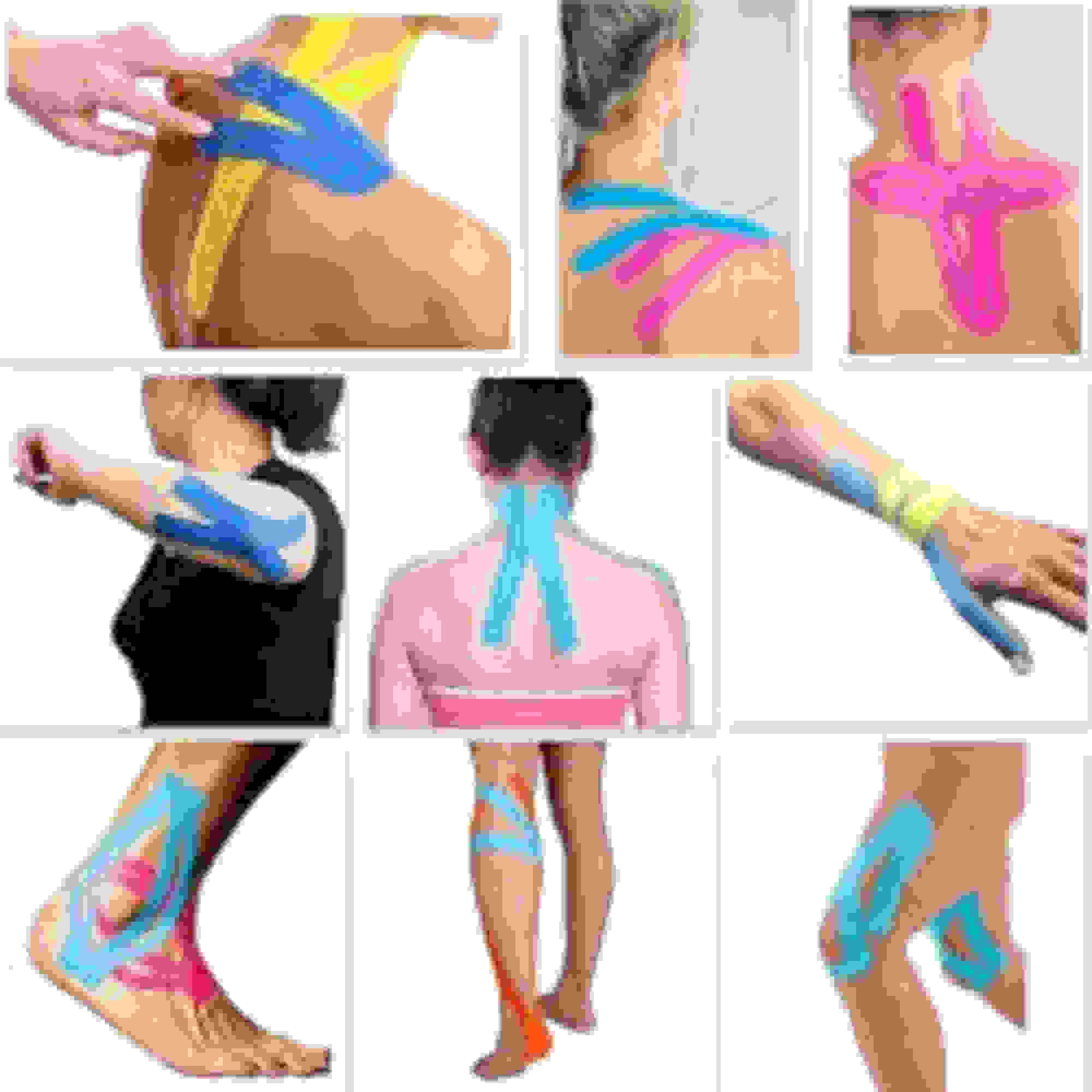
Taping in physiotherapy is a simple, hands on technique where experienced physio apply special sticky tapes to your skin to help with injuries, pain or recovery. It's like giving your body a gentle hug or brace without using bulky supports, allowing you to move more comfortably while healing. Think of it as a smart bandage that supports muscles, joints or swollen areas without restricting your daily activities.
Taping uses different types of adhesive tapes designed for the body. The most common is kinesiology tape or K-tape , a stretchy, cotton like strip that is colorful, breathable and water resistant so that you can shower or sweat with it on for days. There is also rigid athletic tape for firmer support, like on ankles during sports. Physiotherapists cut the tape into strips and stick it precisely on your skin over sore spots, following the direction of your muscles or joints . No needles, no machines, just clean skin, some tension in the tape, and your body's natural healing kicked up a notch.
How Does It Work?
Imagine your skin as a tight lid on a jar. Taping gently lifts the skin slightly, creating space underneath for better blood flow and fluid drainage. This reduces swelling (like when your ankle puffs up after a twist) and eases pressure on sensitive nerves, dialing down pain signals to your brain .For example, tape on your knee might remind your leg to track straight during a squat, fixing sloppy habits.
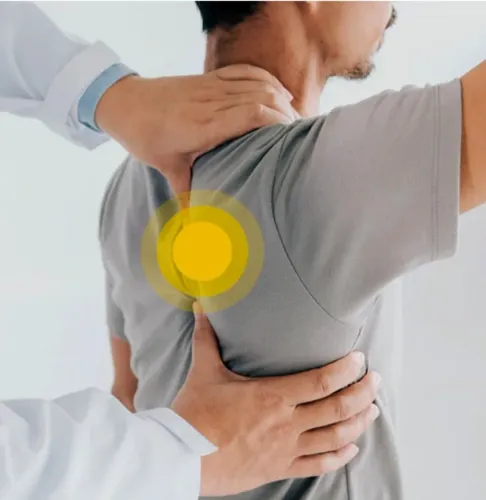
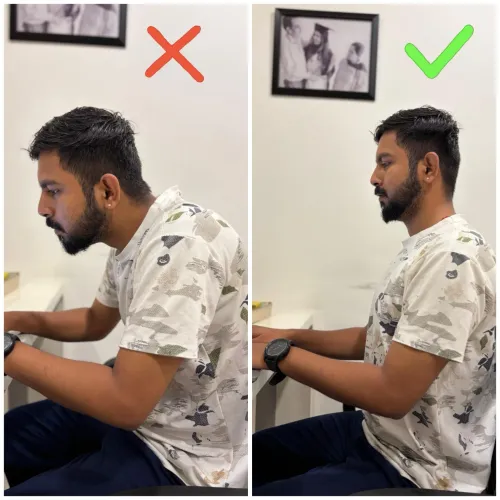
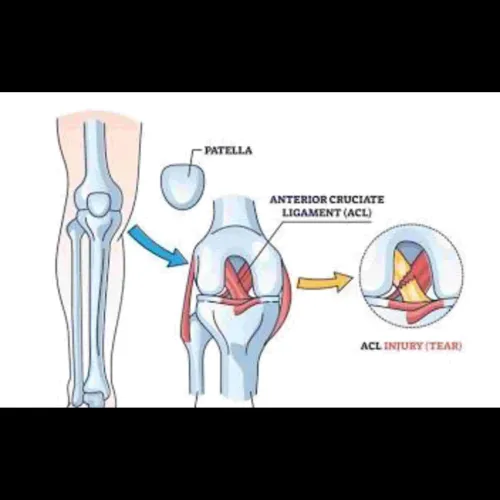
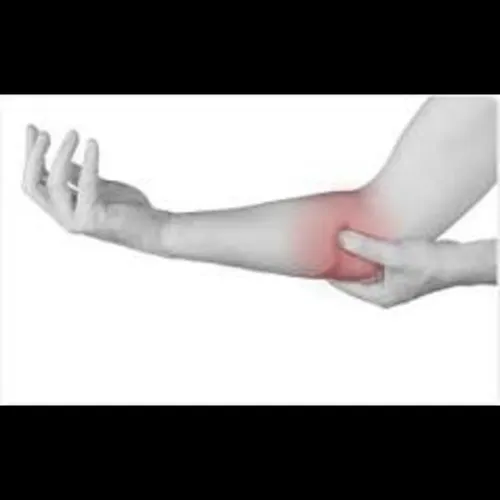
Physios tape for everyday issues like sprained ankles, knee pain from running, shoulder strains, or back aches. It's great for athletes preventing re-injury like tennis elbow from repetitive swings or post-surgery recovery to support weak spots . It helps swollen heels (plantar fasciitis), hamstring pulls, or even wrist issues from desk work. Taping isn't a cure-all but shines as a team player with exercises, ice, or rest, letting you stay active sooner.