


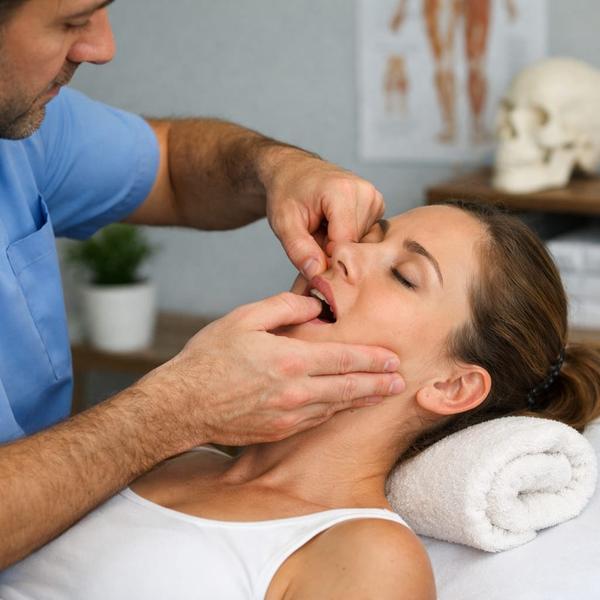
Best Physiotherapy treatment for TMJ Dysfunction
2026-04-15T13:39:18  read more
 read more
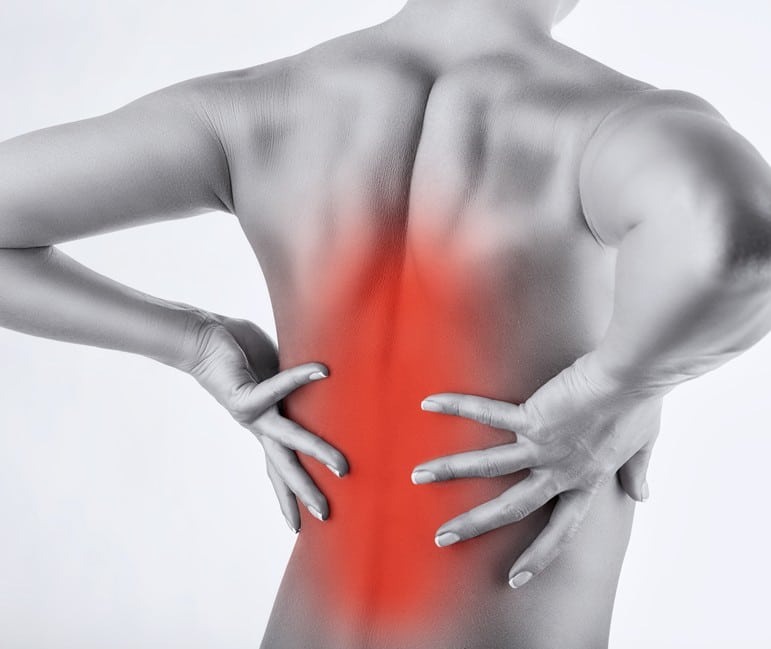

At Physionautics treatment starts with biomechanical correction, where posture is assessed, especially rounded shoulders and slouched sitting that commonly strain the thoracic spine; ergonomic advice and postural training are provided. Inflammation control includes modalities such as TENS, interferential therapy (IFT), and hot packs or ultrasound therapy to reduce pain, stiffness, and muscle spasm. The zero pain approach ensures that movements and exercises are within a pain-free range, incorporating gentle thoracic mobility exercises like thoracic extension, rotation stretches, and scapular setting. In the healing and strengthening phase, emphasis is placed on strengthening postural muscles such as the rhomboids, trapezius, and spinal extensors through exercises like scapular retraction, resistance band rows, and back extension exercises. Finally, quality of life improvement focuses on functional training, correction of daily activity habits, breathing exercises, and maintaining an active lifestyle to prevent recurrence and improve overall spinal health.
 read more
  read more
 We hate spam too.


