
Benefits of Physiotherapy during Pregnancy and Postpartum:
1. Improved physical function: Physiotherapy can help women
maintain physical function and mobility during pregnancy and postpartum.
2. Reduced pain and discomfort: Physiotherapy can help
alleviate pain and discomfort associated with pregnancy and childbirth.
3. Enhanced recovery: Physiotherapy can support women's
recovery after childbirth, reducing the risk of complications and promoting
overall health.
4. Increased confidence: Physiotherapy can help women feel
more confident and empowered in their bodies during the postpartum period.
Antenatal physiotherapy:
1. Pelvic floor strengthening: Physiotherapists help women
strengthen their pelvic floor muscles to prevent incontinence and prolapse.
2. Back pain management: Physiotherapists provide exercises
and techniques to alleviate back pain and improve posture.
3. Body mechanics education: Physiotherapists educate women
on proper body mechanics and posture to reduce strain on the back and pelvis.
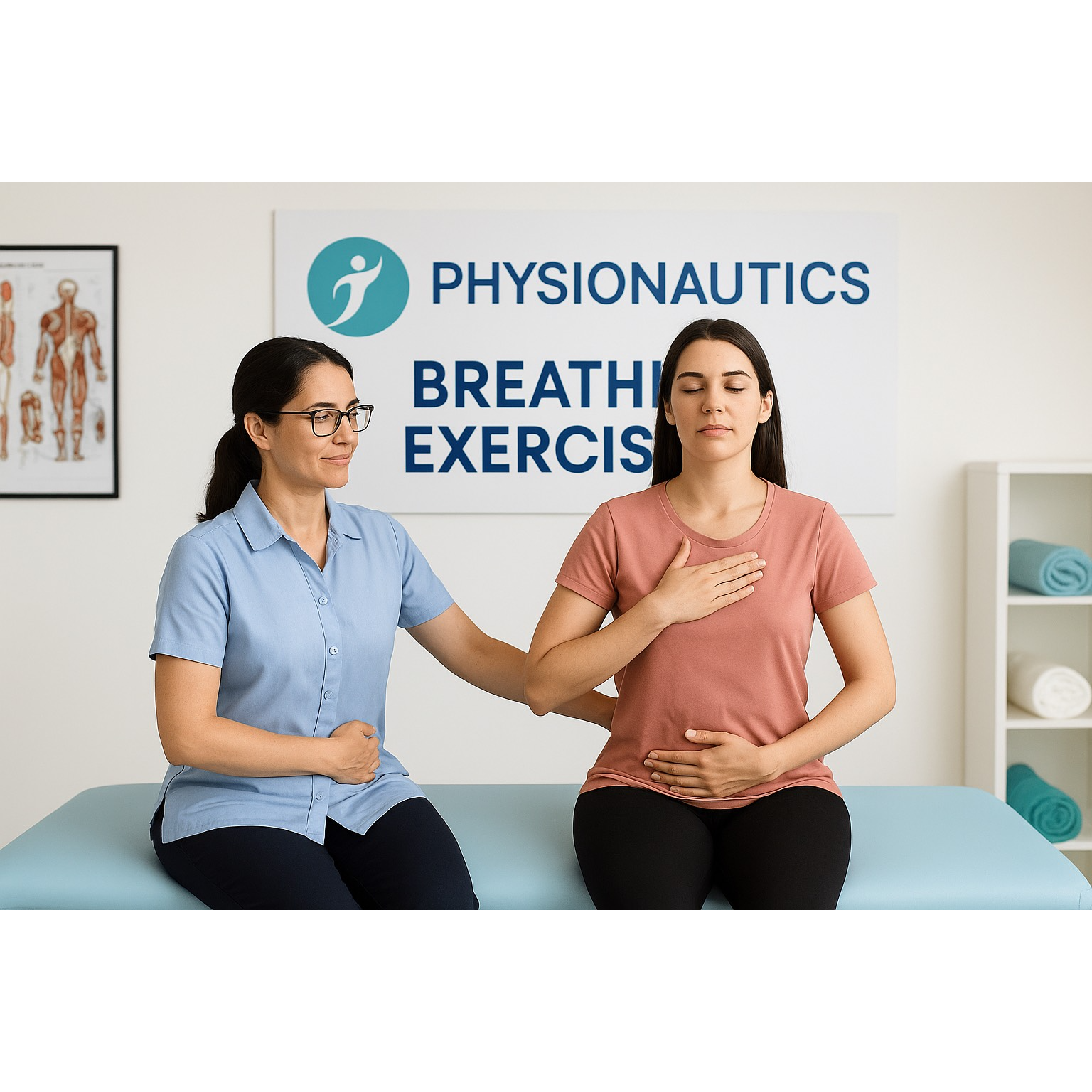
4. Preparation for childbirth: Physiotherapists can help
women prepare for childbirth by teaching breathing techniques, relaxation
methods, and positions for labor.
Postpartum Physiotherapy:
1. Pelvic floor rehabilitation: Physiotherapists help women
recover from childbirth-related pelvic floor trauma, such as episiotomies or
tears.
2. Core strengthening: Physiotherapists provide exercises to
strengthen the core muscles, which can help improve posture, reduce back pain,
and support the pelvis.
3. Abdominal separation (Diastasis Recti) management:
Physiotherapists can help women manage abdominal separation, which can occur
during pregnancy or childbirth.
4. Pain management: Physiotherapists use various techniques,
such as manual therapy and exercise, to manage pain and discomfort after
childbirth.
5. Return to exercise and activity: Physiotherapists can
help women gradually return to exercise and activity after childbirth, ensuring
a safe and healthy progression.