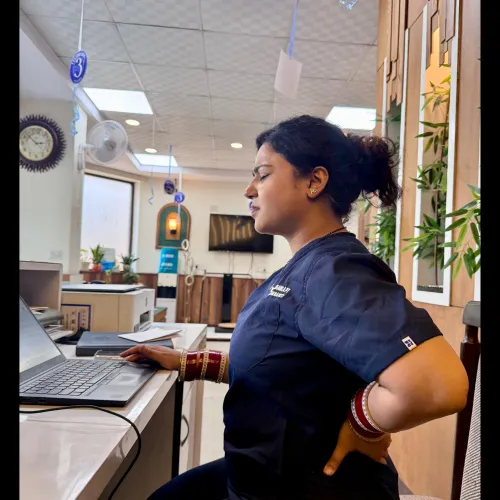

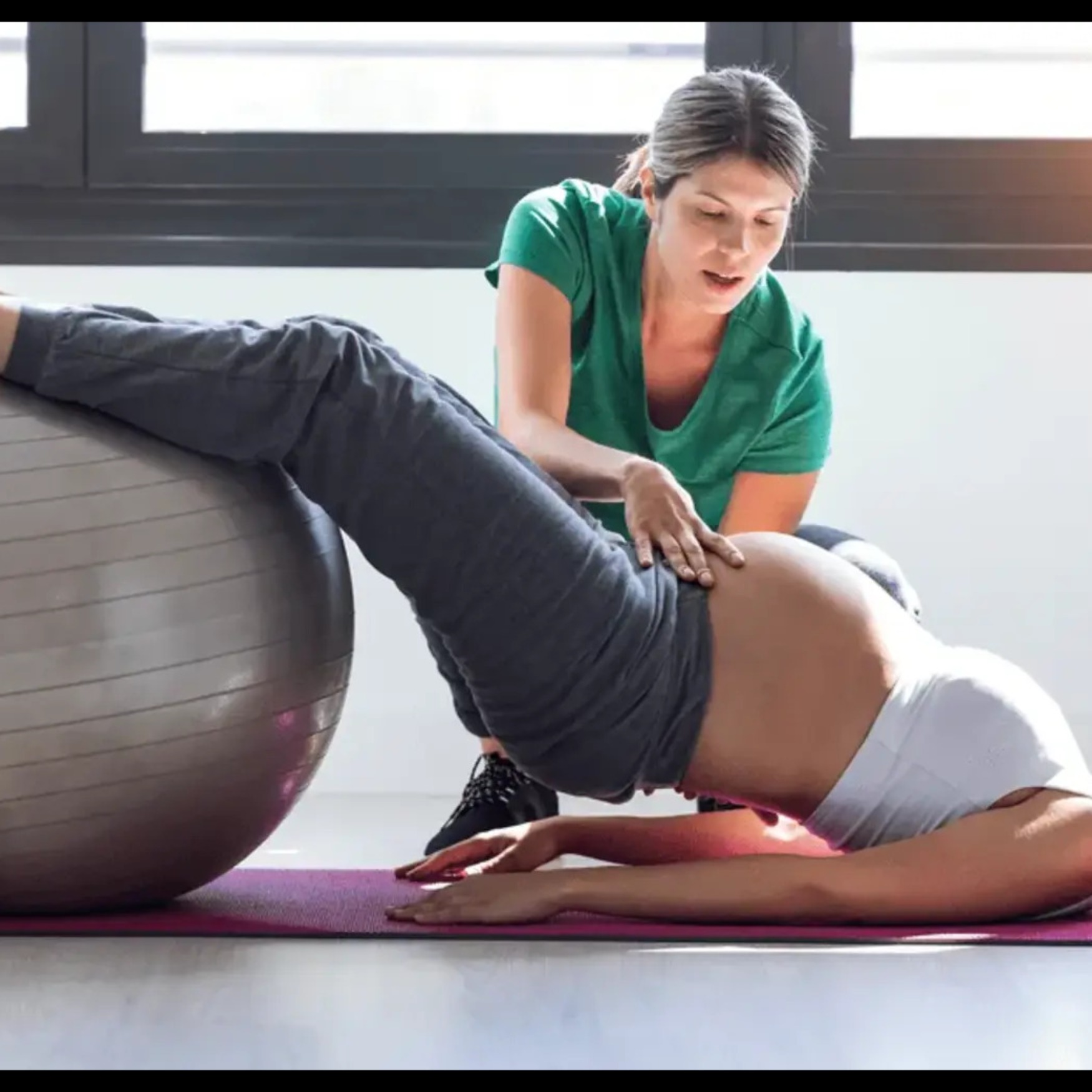
As a woman's body changes throughout pregnancy, physiotherapy helps her remain active, comfortable, and healthy. Pregnant women who receive physical therapy are able to maintain their health, comfort, and level of activity while their bodies change. The back, hips, and pelvic region are subjected to additional strain as the baby grows. Back pain, pelvic pain, neck stiffness, leg cramps, edema, and fatigue are common symptoms among pregnant women.Physiotherapy aids in the safe, natural management of these issues without the need for medication.
The body begins to adapt to hormonal and physical changes throughout the first trimester. During this stage, comfort, safety, and preparation are the main goals of physiotherapy. We evaluate breathing, posture, and daily movement patterns. To reduce back and neck discomfort, mothers are instructed on proper sitting, standing, sleeping, and working postures. To treat early body aches, increase blood circulation, and decrease stiffness, gentle workouts are administered. In order to lower tension and enhance general comfort, breathing and relaxation techniques are also taught.
In the second trimester, the baby starts growing faster and body weight increases.
Back pain, pelvic pain, and issues with posture may start during this stage. The goal of physiotherapy is to safely strengthen the muscles of the back, hips, and abdomen. We offer pregnancy-safe workouts to enhance muscular strength, flexibility, and balance. To support the expanding uterus and stop urine leaks, pelvic floor exercises are continued. During this phase, adjusting everyday activities and correcting posture are crucial.
The body carries its maximum weight during the third trimester, and discomfort may worsen. Lower back pain, pelvic pain, limb edema, dyspnea, and trouble moving are common issues. At this point, pain management, relaxation, and delivery preparation are the main goals of physical therapy. Techniques for labor preparation, breathing exercises, pelvic mobility exercises, and gentle stretching are all given. Additionally, we teach moms energy-saving strategies, safe mobility, and pleasant sleeping postures.
The post-delivery period, or the fourth phase, is equally significant. The body requires time to heal after giving birth. Weak muscles, particularly those in the abdomen and pelvic floor, can be strengthened with physiotherapy. Back discomfort can be lessened, posture can be improved, muscular strength can be restored, and healing can be accelerated with postpartum exercises. Exercises for the pelvic floor assist restore bladder control and avoid long-term pelvic problems. Additionally, physiotherapy enhances general confidence and facilitates a safe return to regular activities.
Pregnancy and postpartum physiotherapy promotes a smoother delivery and quicker recovery by lowering pain, strengthening key muscles, and improving posture. Pregnancy becomes safer, healthier, and more comfortable for the mother with the right assistance from a physiotherapist.