
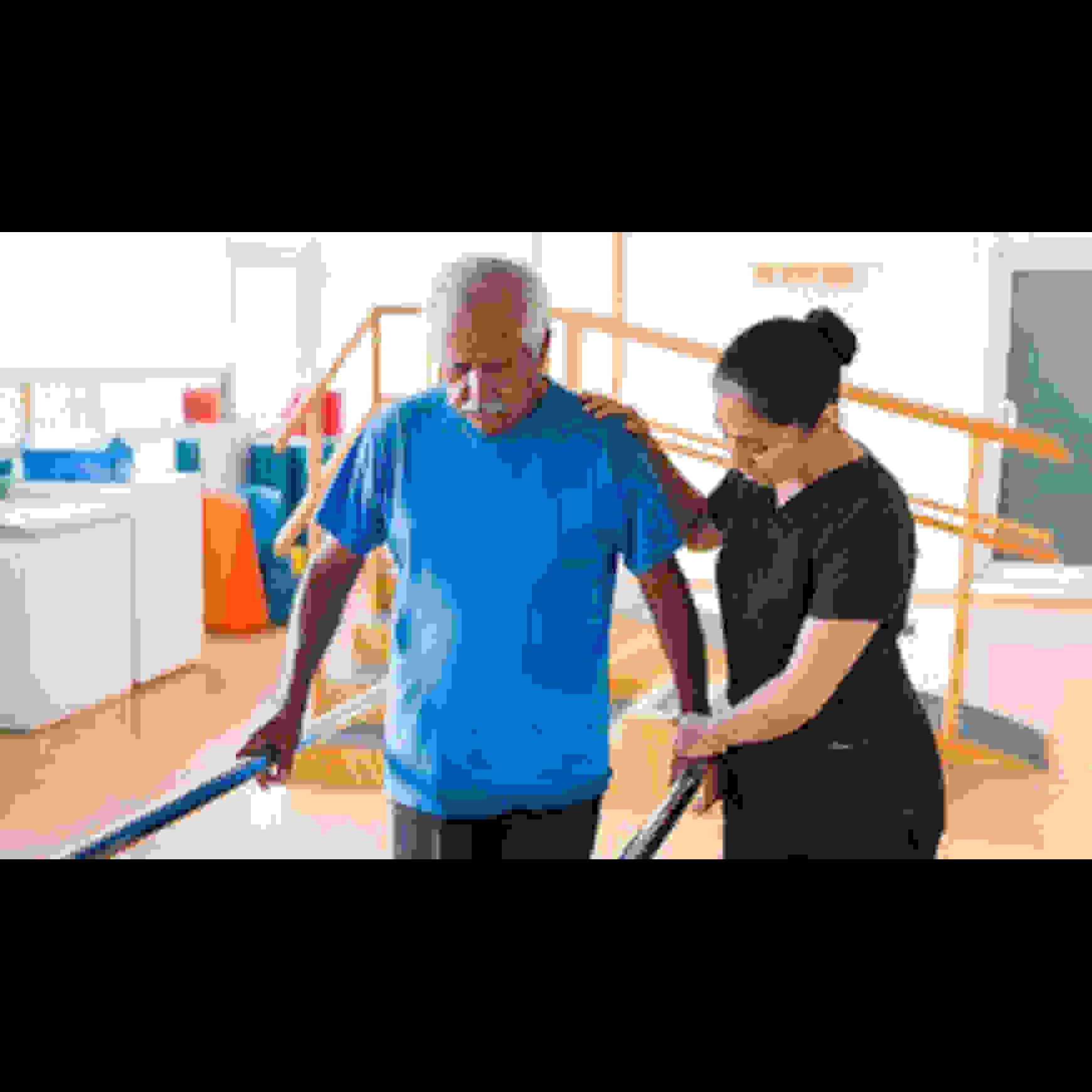
Physiotherapy Treatment of Stroke.
After a stroke, rehabilitation is essential to helping a person restore lost skills and resume daily activities as independently as possible. Movement, balance, speech, and even emotions can all be affected by a stroke. Rehabilitation focuses on retraining the brain and body to adapt and recover. Since early intervention is essential for enhancing long-term results, it typically starts as soon as the patient is medically stable, frequently within 24 to 48 hours.
Restoring fundamental movement and preventing complications are the primary objectives in the early stages of stroke therapy. Even basic tasks might be difficult for patients who have weakness or paralysis on one side of their body. In order to lessen stiffness and avoid joint tightness or bed sores, physiotherapists assist with breathing exercises, range-of-motion exercises, and assisted movements. Important initial steps that set the patient up for subsequent rehabilitation include learning how to turn in bed, sit with assistance, and maintain balance.
Rehabilitation becomes more active and goal-oriented as the patient's condition improves. Enhancing muscle strength, balance, coordination, and walking ability are the main goals of physical therapy. Neuroplasticity is the process by which the brain creates new connections through repetitive, task-based activities. Standing, walking with or without assistance, climbing stairs, and performing daily activities like eating or grooming with the affected arm and hand are all activities that patients practice. Common methods include stretching, functional strengthening, balance exercises, and gait training. Even though progress might seem sluggish, improvement requires consistent therapy.
Training for everyday tasks and communication is another aspect of stroke therapy. Speech, swallowing, and self-care tasks like dressing and washing are challenges for many individuals. To address these issues, a multidisciplinary rehabilitation team of occupational therapists, speech therapists, and physiotherapists collaborates. Following a stroke, emotional and psychological changes like worry, frustration, or despair are typical, and family members' emotional support is essential to preserving motivation and self-assurance.
Persistent therapy, at-home workout regimens, and healthy lifestyle modifications are essential for long-term rehabilitation. Physiotherapists instruct patients and caregivers on safe posture, mobility, and at-home activities. Although each person's recovery from a stroke is unique, regular rehabilitation, perseverance, and strong support can result in a notable improvement in function and quality of life.