


BEST CUPPING THERAPY AT PHYSIONAUTICS IN NEW FRIENDS COLONY.
2026-04-08T07:51:28  read more
 read more
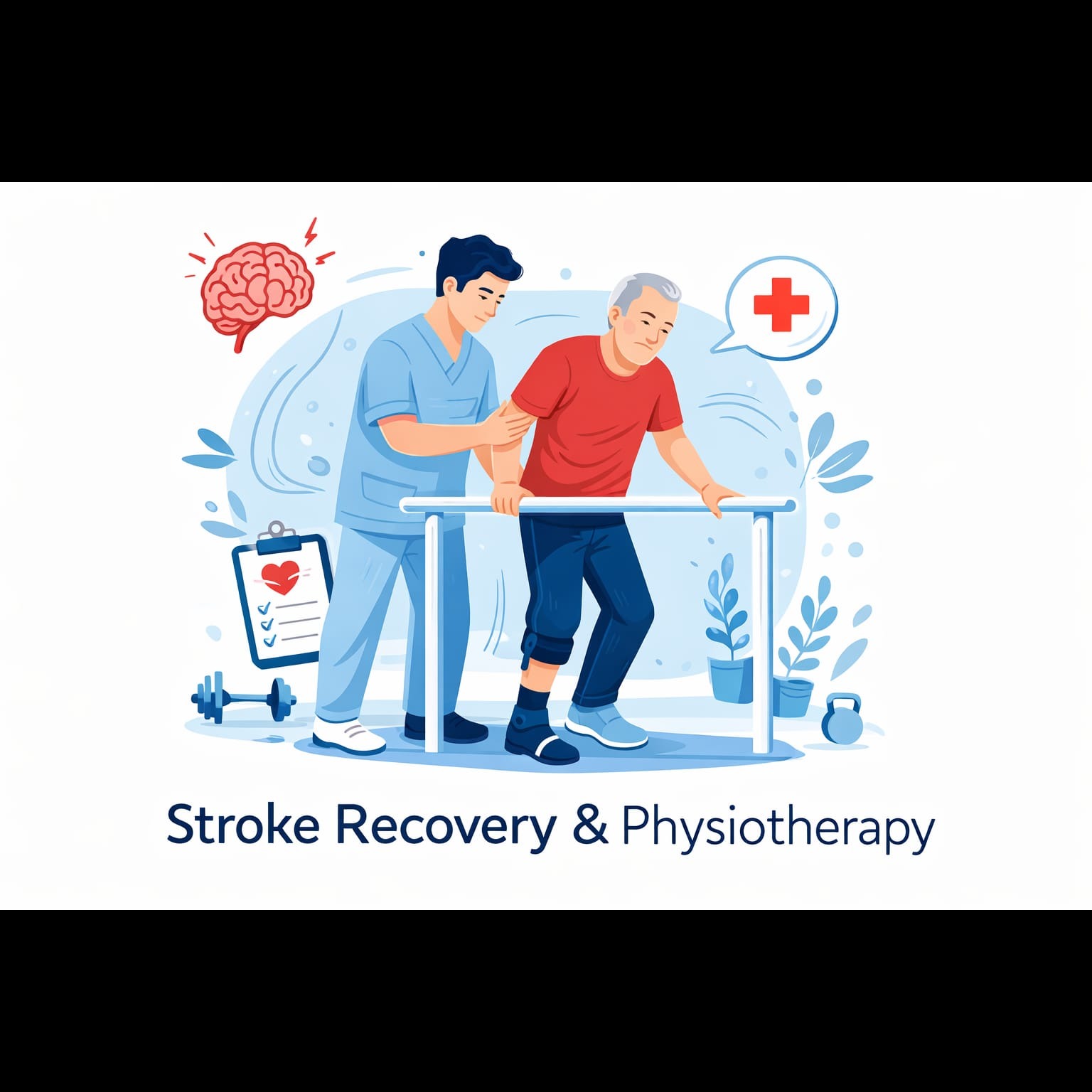

A stroke is fundamentally a brain event, disrupting the vital connections between nerve and muscles. When blood flow is restricted then the brain cells cannot get the oxygen they require, which can cause immediate effects such as weakness on one side, difficulty in speaking, or loss of balance. It is a significant challenge, but recovery is possible, leveraging the marvelous ability of the brain to adapt, known as neuroplasticity, The best window for the recovery is as early as possible after the stabilising. Physiotherapy serves as the crucial link in rebuilding those disrupted connections. It does not just address the visible symptoms, it works directly with the nervous system to encourage the brain to find new ways to communicate with the body Modern rehabilitation goes beyond basic exercises, by utilizing advanced treatment approaches and evidence based practice. For instance, Neuroplasticity focused therapy is designed to encourage the brain to reorganize itself. Techniques such as Constraint-Induced Movement Therapy (CIMT) force the use of the affected limb by temporarily restricting the stronger one, which encourages brain remapping through concentrated, repetitive practice. Furthermore, dynamic methods like Proprioceptive Neuromuscular Facilitation (PNF) techniques are utilized to improve overall function, muscle strength, flexibility, and coordination by stimulating the nerve receptors. Every movement in the rehabilitation process is intentional. Repetitive motion is vital because it reinforces optimal movement patterns and helps the brain become more efficient at sending instructional signals. The path to recovery requires patience and consistency, but with expert care and modern therapeutic science, significant progress can be achieved. Rehabilitation is not solely about managing a condition, it is about actively working toward autonomy and a full, active life.
 read more
  read more
 We hate spam too.


