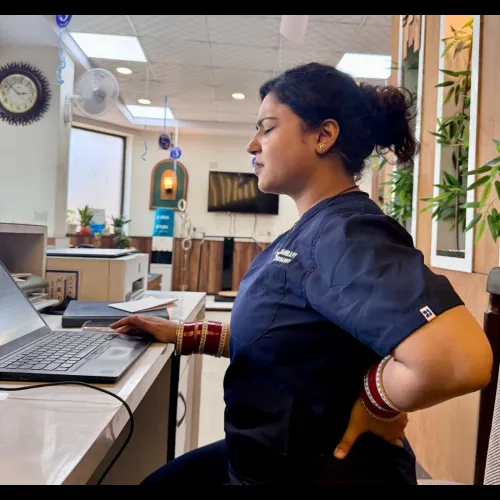


Hamstring strains happen when the muscles running along the back of the thigh get overstretched or torn. They range from a minor strain with some soreness, to a partial tear with noticeable weakness, to a complete rupture that needs serious medical attention. It usually happens in a split second. A sudden sprint, a hard kick, or just pushing a little too far during a stretch, and there's a sharp pull at the back of the thigh that stops everything. Some people describe it as feeling like someone hit them from behind, even when nobody was near. The pain can range from a mild tightness that hangs around for a few days to something bad enough that walking becomes a struggle. Either way, most people rest it for a week, feel a bit better, and jump straight back into activity. That's usually where things go wrong.
Runners, footballers and sprinters tend to deal with this injury a lot, but it can honestly happen to anyone who moves suddenly without being properly warmed up. One of the biggest problems with hamstring strains is that they keep coming back, mostly because people return to activity before the muscle has actually healed properly.
Physiotherapy looks at the full picture rather than just waiting for the pain to go away. In the early days, the focus is on reducing swelling and stopping the surrounding muscles from tightening up. After that, the work shifts to slowly loading the muscle again through specific exercises that help the tissue heal stronger than before. Hip and core strength also gets worked on, since weakness in those areas often plays a part in why the hamstring got injured in the first place. Before returning to sport or full training, a proper step by step plan is followed to make sure the muscle is actually ready, not just feeling okay.