
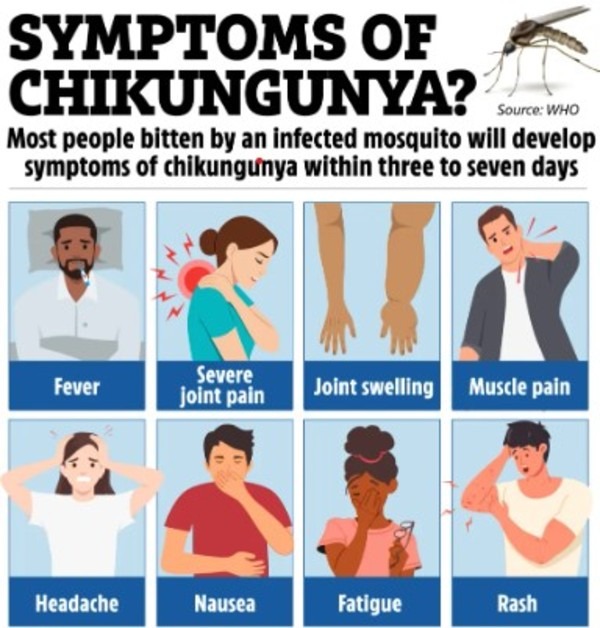
Chikungunya is a condition that is spread by Aedes mosquito in which there is high fever, severe joint pain, and muscle pains. Mostly the fever can subsides within a week or less but the real challenge comes later with lingering stiffness and pain that can last months or years for many individuals. Physiotherapy plays a important role in managing these post viral symptoms helping restore movement, reduce stiffness, and prevents long term complications. In India where outbreaks are common, early physiotherapy intervention makes recovery faster and more holistic for affected individuals.
During the acute phase joints in the hands, wrists, ankles, knees, and spine swell and become extremely painful which forces a bent posture, hence the name “chikungunya, “ meaning “that which bends up“ from the Kimakonde language in Tanzania where it was first identified in 1952. Studies show 30-60% of patients experience chronic joint issues beyond three months, with 10-15% developing persistent arthritis like symptoms. This makes stiffness a serious concern especially in adults over 40 or obese. Initial physiotherapy management starts with gentle pain relief techniques like heat therapy, ultrasound, or TENS/IFT to ease the inflammation before progressing to exercises.
As the symptoms are managed, treatment shifts to strengthening and stretching for the affected muscles like wrist flexor exercises for hand stiffness or ankle dorsiflexors for foot stiffness which are common after chikungunya. Research confirms that these interventions improve pain, joint range, daily function, and significant improvement in mobility after eight weeks of supervised sessions combining manual therapy and home exercises. Patients are also taught self management like managing activities of daily living, proper posture, and heat cold applications to handle aches at home.
Preventing complications involves consistent follow ups to address muscle weakness and balance issues that increase risk of fall during recovery. Also for chronic cases, physiotherapy complements medical care like anti inflammatory, focusing on neuroplasticity which is based on exercises to retrain pain pathways and rebuild endurance. Full recovery vary from weeks to over a year but varies on individuals but starting physiotherapy early reduces the odds of permanent stiffness.
Physiotherapy is very important and crucial step after Chikungunya and should be done necessarily. If you or your loved one is experiencing Post Chikungunya stiffness and joint pain you can visit Physionautics for expert physiotherapy solution.