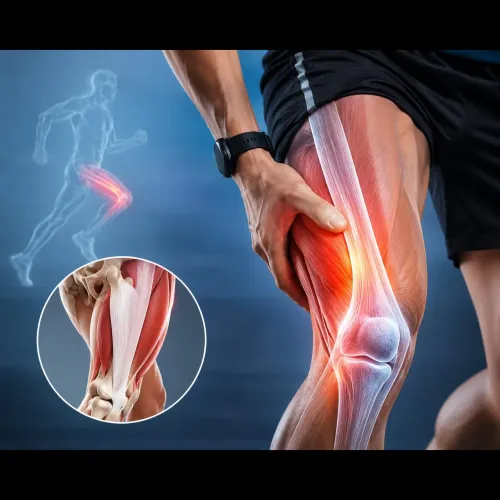

Recovering from ACL reconstruction is a journey that blends science with patience, and discipline with self-compassion. Physical therapy becomes not just a treatment plan, but a steady companion that is guiding you from the first tentative steps to a confident return to the activities you love.
The early days after surgery are often the most challenging. Your knee may feel unfamiliar resulting into stiff, swollen, or hesitant to move. In this phase, the focus is simple but essential which includes protect the healing tissues, reduce swelling, and gently reawaken movement. Physiotherapist often start with ankle pumps, quadriceps sets, and heel slides. These small motions may feel insignificant, but they’re powerful; they signal to your muscles and nervous system that recovery has begun. Elevation, ice, and compression help manage inflammation, and using crutches allows you to walk without stressing the graft.
As pain settles and motion improves, therapy shifts into a phase of rebuilding confidence in your knee. Restoring full extension is a major milestone-- it affects your gait, your balance, and the way your muscles fire. Flexion exercises follow, gradually encouraging the knee to bend comfortably again. Stationary cycling is often introduced at this stage, offering a gentle way to nourish the joint and build endurance without excessive strain.
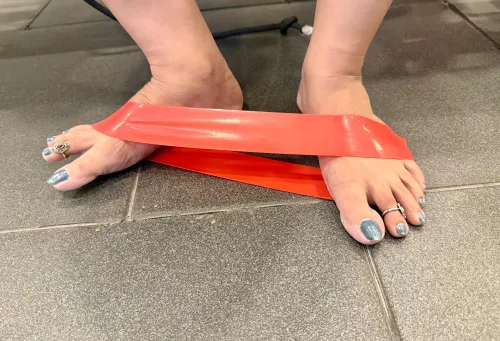
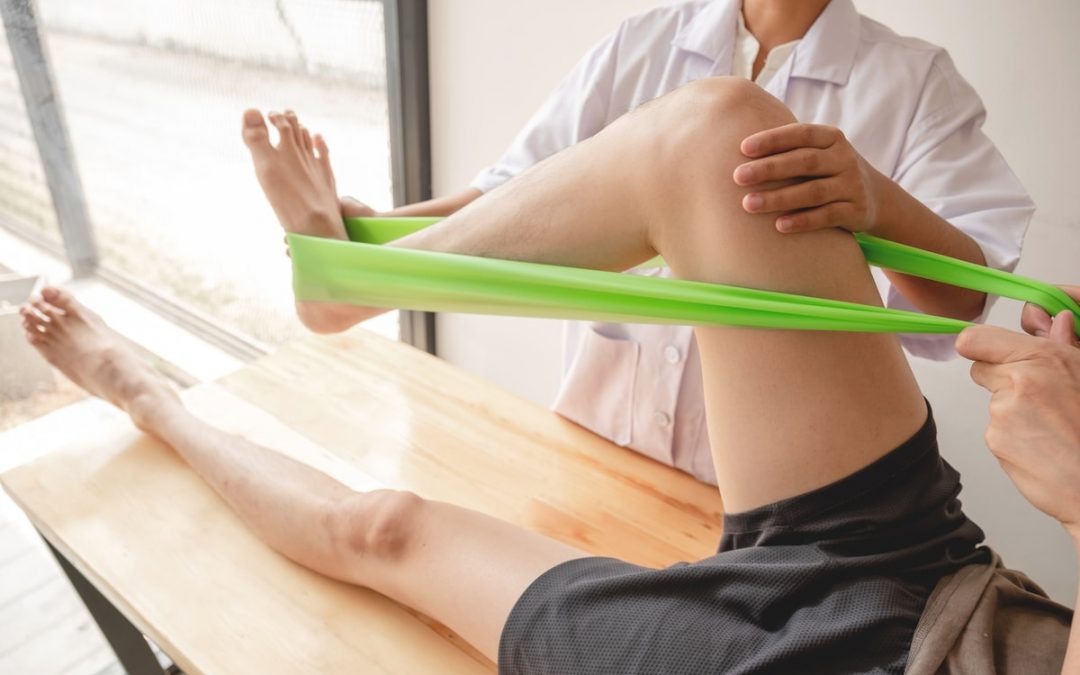
Strengthening becomes the heart of rehabilitation as weeks pass. Your quads, hamstrings, glutes, and core all need to work collaboratively to support the reconstructed ligament. This phase can be humbling; familiar exercises sometimes feel surprisingly hard. But each repetition has purpose. Step-ups, mini squats, bridges, and controlled lunges help rebuild stability, while resistance bands and light weights gradually reintroduce load. Therapists are careful to progress exercises in a way that challenges you without overwhelming the new graft.
Balance and proprioception training often bring a sense of accomplishment. Standing on one leg, using a balance board, or navigating gentle perturbations teaches the knee to react instinctively again. These tasks mirror the unpredictable nature of real-world movement which is turning, pivoting, changing speed, skills you’ll need long after therapy ends.
Around the 3-4 months mark, the work becomes more dynamic. Light jogging, agility drills, and low-impact plyometrics are added when strength and control are sufficient. This stage feels like a turning point: the knee begins to behave more like a partner than a project. But it’s also a time for patience. The ACL graft continues to mature internally, even when the outside world sees progress.
For athletes or active individuals, return-to-sport training comes later. This includes sport-specific drills, cutting maneuvers, controlled jumping, and rigorous strength comparisons between limbs. It’s a phase where precision matters; decisions are made carefully to reduce the risk of re-injury.
Throughout the entire process, the emotional side of rehabilitation is just as important. Some days feel triumphant, others feel slow. A good physical therapy plan acknowledges both. It encourages consistency, celebrates small victories, and reminds you that recovery isn’t a race but a steady rebuilding of trust between you and your body.
With time, effort, and guided care, most people regain not just function but confidence, stepping forward with strength they’ve earned one careful session at a time.