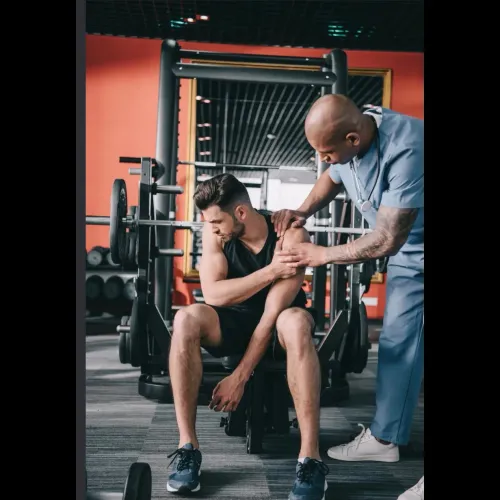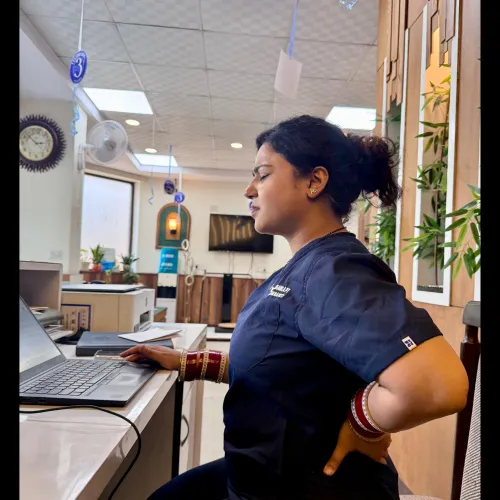

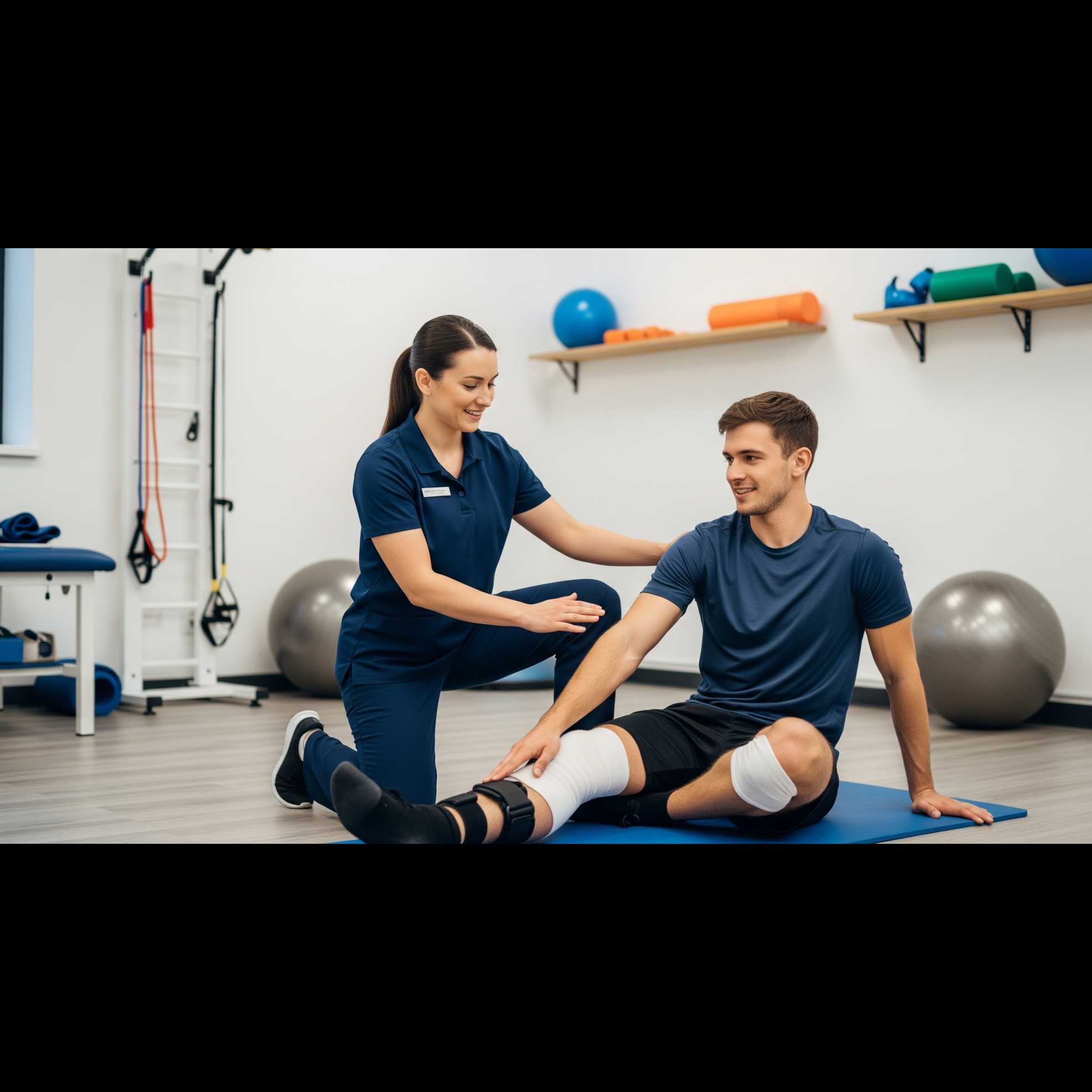
Physiotherapy plays a crucial role in helping athletes optimize their performance, prevent injuries, and recover effectively before and after a game. Pre-game physiotherapy focuses on injury prevention and performance optimization, while post-game physiotherapy ensures proper recovery, injury treatment, and muscle rehabilitation. By addressing the athlete’s physical needs before and after competition, physiotherapists help reduce the risk of injury, speed up recovery, and ensure long-term athletic performance The management techniques used by physiotherapists are essential for both injury prevention and rehabilitation.
Pre-Game Physiotherapy Management
Before an athlete steps onto the field, physiotherapy ensures the body is well-prepared to handle the physical demands of the game.
1. Assessment and Screening: Physiotherapists first perform a thorough assessment of the athlete’s posture, movement patterns, and muscle strength. Identifying any imbalances, tightness, or weaknesses helps tailor a warm-up routine that reduces the risk of injury.
2. Warm-Up and Mobility: Physiotherapists guide athletes through dynamic stretching and mobility drills to increase blood flow to the muscles, improve flexibility, and enhance joint range of motion. This reduces stiffness and prepares the body for the intense physical activity of the game.
3. Activation Exercises: These exercises activate key muscles that need to be engaged during the game. For instance, glute bridges can activate the glutes, helping to stabilize the pelvis and prevent lower back injuries.4. Kinesiology Taping: Taping is a common technique used by physiotherapists to provide additional support to muscles and joints that are more vulnerable during the game. This can help prevent strain or injury, particularly in areas like the knees, shoulders, and ankles.
5. Sport-Specific Drills: Physiotherapists may incorporate sport-specific exercises, which mimic the movements required during the game. This ensures the body is fully conditioned for the specific demands of the sport, helping the athlete perform at their best.
Post-Game Physiotherapy Management
After the game, physiotherapy helps athletes recover quickly, minimize pain, and prevent long-term injury.
1. Cool-Down and Stretching: A proper cool-down is essential to reduce muscle stiffness. Physiotherapists guide athletes through static stretching to improve flexibility and release muscle tension. This also helps prevent soreness in the days following the game.
2. Pain Management: If an athlete has sustained an injury during the game, physiotherapists apply the R.I.C.E. method (Rest, Ice, Compression, Elevation) to manage pain, swelling, and inflammation immediately. They may also use other modalities such as ultrasound therapy or electrical stimulation to reduce pain and promote healing.
3. Soft Tissue Therapy: Massage and myofascial release techniques are often used to reduce muscle tightness and increase blood flow to the affected areas. These treatments help the muscles recover and prepare for the next game or practice session.
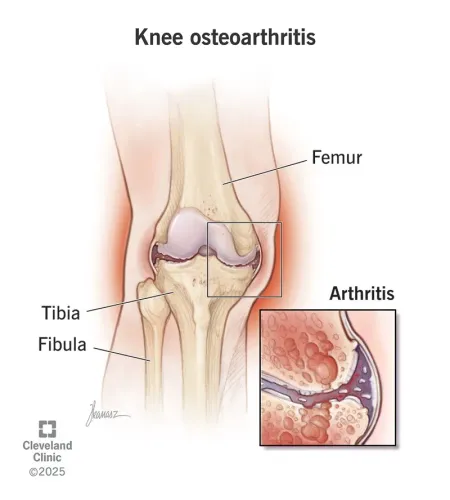
4. Injury Rehabilitation: If an injury has occurred, physiotherapists design individualized rehabilitation programs to address the specific needs of the athlete. These programs focus on restoring strength, flexibility, and function through a combination of exercises, stretches, and manual therapy techniques.
5. Progressive Loading: Once the athlete is ready, physiotherapists guide them through gradual strengthening and loading exercises to rebuild muscle strength and avoid re-injury. This progressive approach ensures the athlete can return to their sport safely.
Ay Physionautics we deliver personalize dPre and post athlete (sports) management to keep athletes perfoming at their peak and staying injury free.