
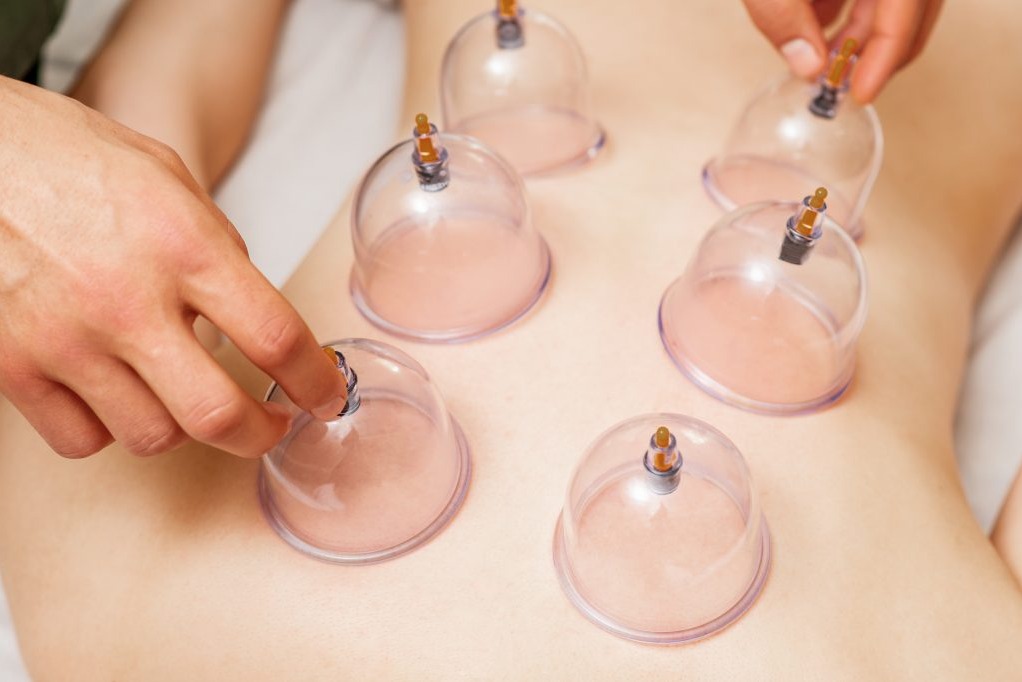
Cupping therapy is an ancient healing technique that some people use to ease pain. A provider places cups on your back, stomach, arms, legs or other parts of your body. A vacuum or suction force inside the cup pulls your skin upward.In physiotherapy it is commonly used as manual therapy adjunct to help with musculoskeletal pain , mobility and soft tissue function.
1. Types of Cupping Therapy
A. Dry Cupping Cups are placed on the skin and suction is applied without any bloodletting.
B. Wet Cupping (Hijama) After brief cupping, tiny skin incisions are made and blood is drawn during a second cupping.
C. Fire Cup Heat (usually from a flame) is used to create suction inside a glass cup before placement on the skin.
D. Vacuum / Mechanical Cupping Uses hand-pumped or electronic suction; safer control than fire cupping.
E. Moving / Sliding Cup Oil is applied and cups are slid along muscles.
F. Flash Cupping Cups applied and removed quickly in repetition.
Effects of Cupping Therapy- Increased Local Blood Flow, Fascial and Soft-Tissue Decompression, Lifts skin and underlying fascia → reduces tissue adhesions and stiffness.Reduced Muscle Tension
Mechanical deformation of muscle and connective tissue may reduce tone and trigger point irritability, Improved Lymphatic Flow, Skin and Connective Tissue Effects, Increased local temperature
Cupping may ease symptoms of:
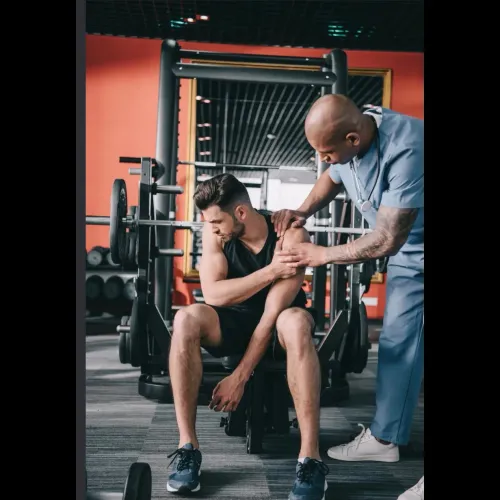
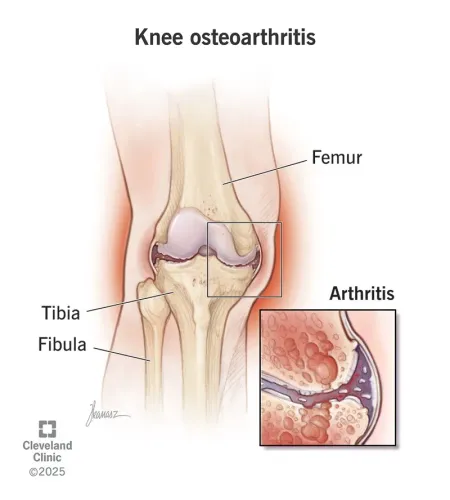
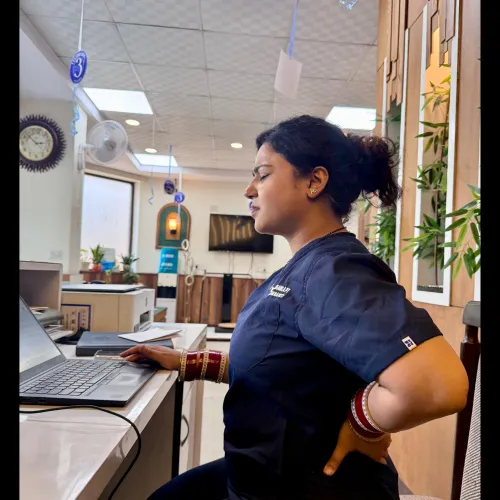
Arthritis, including rheumatoid arthritis., Back pain, neck pain, knee pain and shoulder pain, Asthma and other breathing issues, Carpal tunnel syndrome., Gastrointestinal (GI) disorders like irritable bowel disease (IBD)., Headaches and migraines, High blood pressure (hypertension).
At Physionautics, we provide therapeutic cupping treatments designed around your individual health goals.