
CAUDA EQUINA
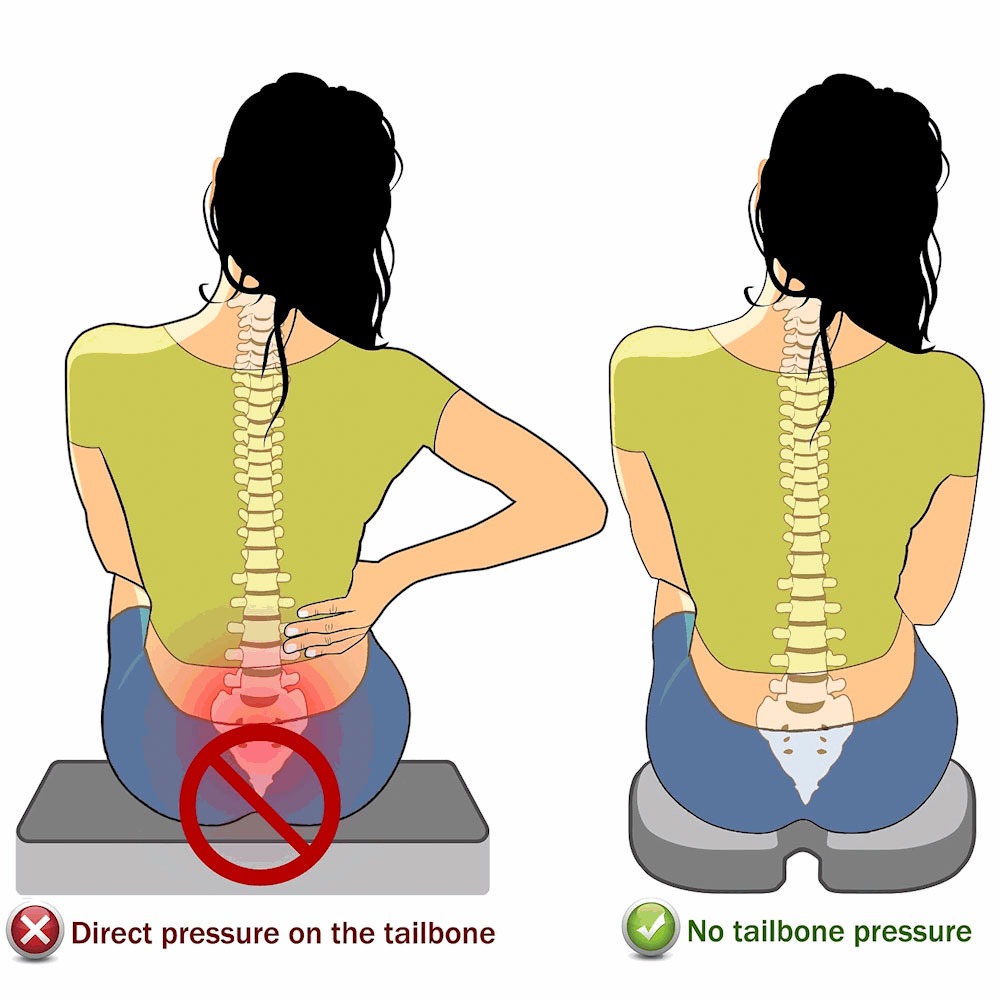
The cauda equina is a bundle of nerve roots that originates
from the lower end of the spinal cord and extends down to the coccyx
(tailbone). These nerve roots control various functions, like lower limb
function, bladder and bowel function and sexual function
Cauda Equina Syndrome (CES)
Cauda equina syndrome is a medical condition that occurs
when the cauda equina nerve roots are compressed or damaged, leading to a range
of symptoms, including:
Symptoms of CES:
1. Pain: Severe pain in the lower back, legs, or buttocks.
2. Numbness or tingling: Numbness, tingling, or weakness in
the legs or feet.
3. Bladder and bowel dysfunction: Loss of bladder or bowel
control, or difficulty initiating urination or defecation.
4. Sexual dysfunction: Impotence or loss of sexual function.
Causes of CES:
1. Herniated disc: A herniated disc can compress the cauda
equina nerve roots.
2. Spinal stenosis: Narrowing of the spinal canal can
compress the cauda equina nerve roots.
3. Trauma: Trauma to the spine can damage the cauda equina
nerve roots.
4. Tumors: Tumors in the spinal canal can compress the cauda
equina nerve roots.
Treatment of CES:
1. Emergency surgery: In severe cases, emergency surgery may
be necessary to decompress the cauda equina nerve roots.
2. Pain management: Pain relief medications and other pain
management techniques may be used to manage symptoms.
3. Physiotherapy: Physical therapy is necessary to improve
mobility and strength.
Physiotherapy treatment will include pain management with
modalities like TECAR, IFT, TENS, SHOCWAVE therapy etc. Strengthening exercise,
muscle stretching, muscle retraining program in case of muscle weakness.