
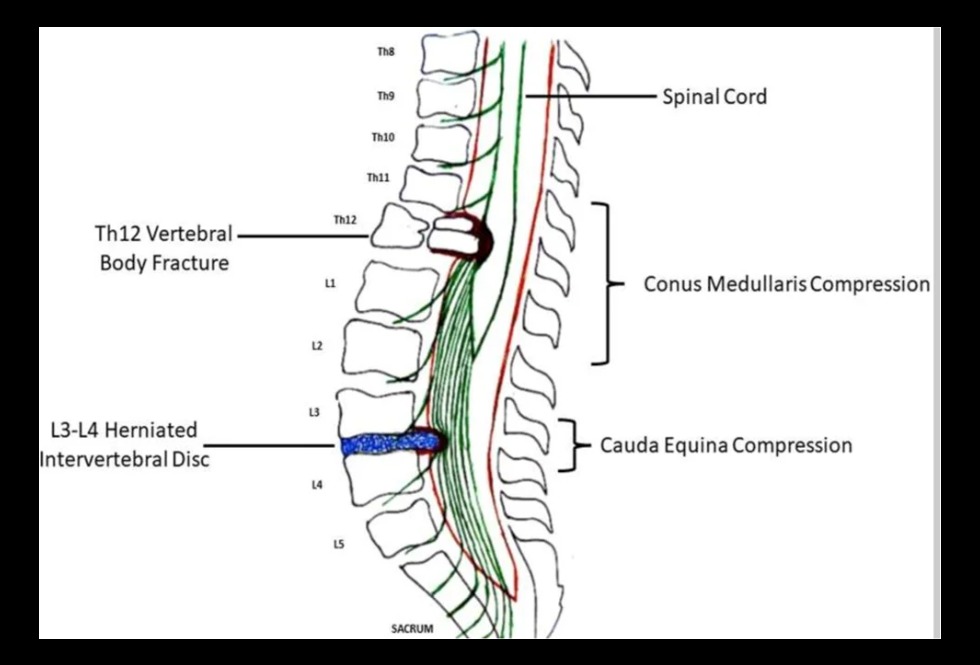
The cauda equina is a bundle of spinal nerve roots located at the lower end of the spinal cord. Cauda equina syndrome occurs when these nerves are compressed, most commonly due to a large lumbar disc herniation, spinal stenosis, trauma, tumor, or infection.
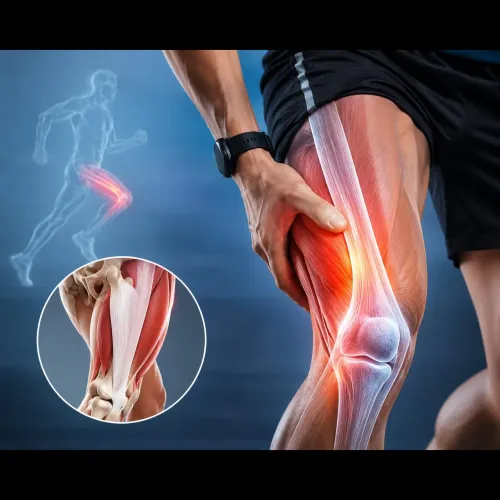
Patients with cauda equina syndrome may present with severe low back pain, pain radiating to one or both legs, numbness in the saddle area, weakness in the lower limbs, and serious symptoms like bladder or bowel dysfunction. From a physiotherapy perspective, recognizing these red flag symptoms is critical, as this condition is a medical emergency.
Physiotherapists play an important role in early identification and post-medical or post-surgical rehabilitation. Once medical or surgical management is completed, physiotherapy focuses on restoring mobility, strength, balance, and functional independence.
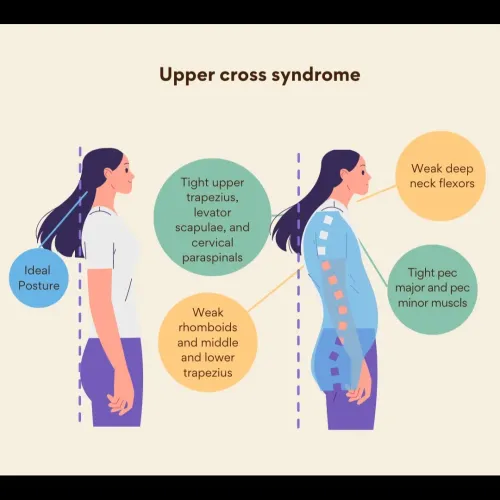
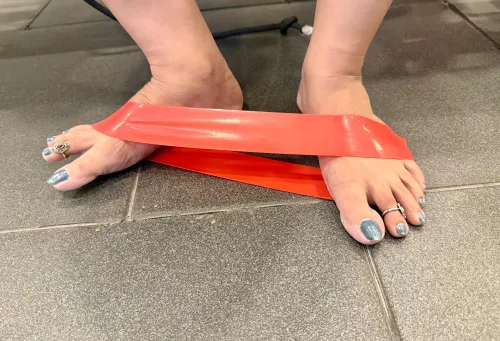
Rehabilitation includes gentle mobility exercises, core stabilization, lower limb strengthening, gait training, and bladder–bowel management education when required. Pain management, posture correction, and patient education are also key components of physiotherapy care.
Recovery depends on the severity of nerve damage and how early treatment is initiated. With timely intervention and a structured physiotherapy program, many patients can regain function and improve their quality of life.