
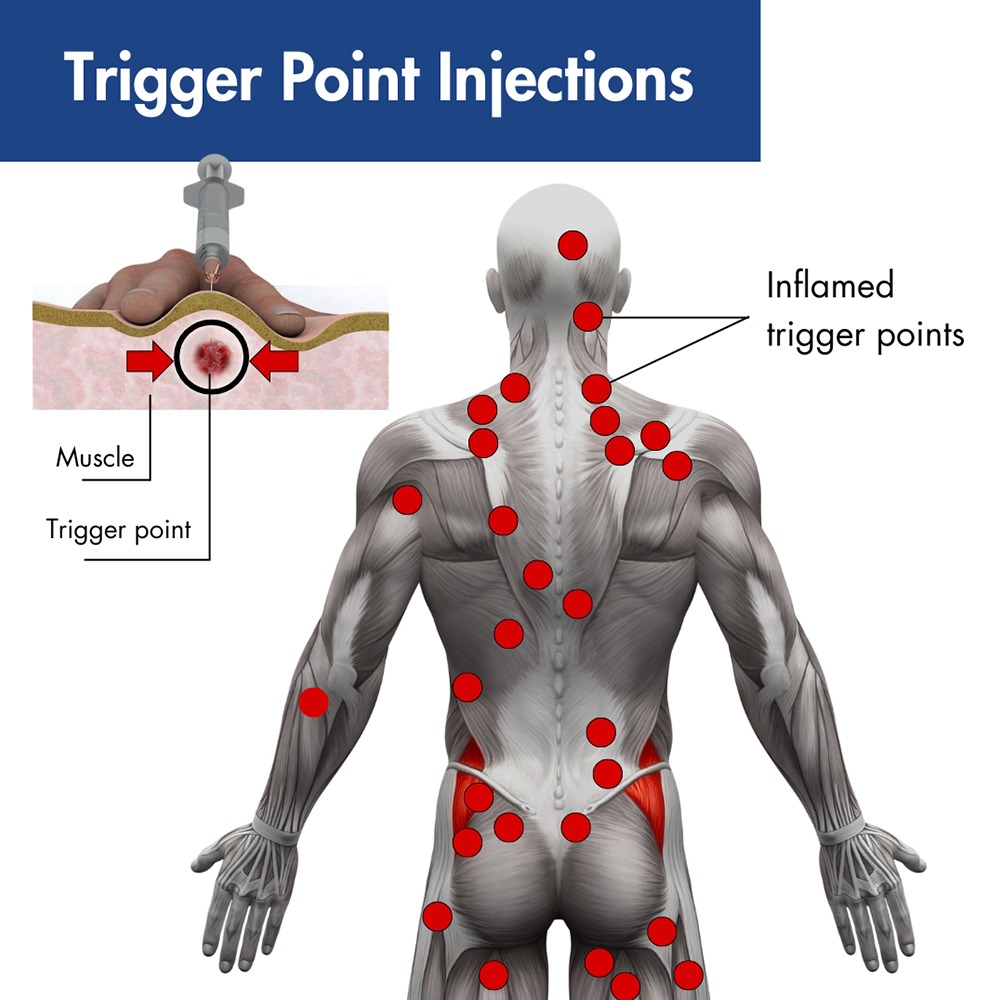
A trigger point is a tight, sensitive knot found within a muscle or its fascia. When you press this point, it produces pain, tenderness, and sometimes pain that travels to another area of the body. This is called referred pain. .
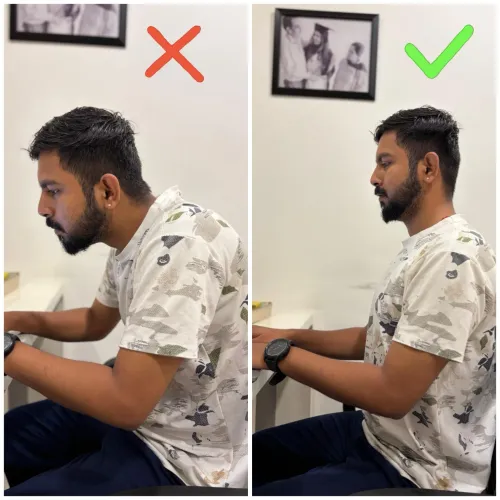
Trigger points usually develop due to muscle overuse, poor posture, stress, repetitive activities, sudden injury, or prolonged sitting. For example, people who work long hours on a computer often develop trigger points in the neck, upper back, and shoulder muscles. Athletes can develop trigger points due to repetitive strain or inadequate recovery.
As a physiotherapist, we classify trigger points into two main types:
Active trigger points and latent trigger points.
Active trigger points cause pain even at rest and limit movement. Latent trigger points may not cause constant pain but become painful when the muscle is pressed or stretched.
Patients with trigger points may experience symptoms like:
Deep aching muscle pain
Muscle stiffness and reduced flexibility
Weakness without muscle wasting
Headaches, neck pain, or low back pain depending on the muscle involved
Diagnosis is mainly clinical. We assess posture, movement, muscle tightness, and palpate the muscle to identify the tender knot and referred pain pattern.
Now let’s talk about physiotherapy management.
Physiotherapy plays a very important role in treating trigger points. Treatment may include:
Manual therapy like trigger point release
Myofascial release techniques
Stretching exercises to restore muscle length
Strengthening exercises to correct muscle imbalance
Dry needling or electrotherapy, when required
Postural correction and ergonomic advice
Along with treatment, patient education is extremely important. We guide patients about proper posture, regular breaks during work, hydration, stress management, and home exercise programs to prevent recurrence.
In my clinical experience, trigger point pain improves significantly when treatment is started early and exercises are followed regularly. Ignoring muscle pain can convert a simple trigger point into a chronic pain condition.
So if you are experiencing unexplained muscle pain, stiffness, or pain that keeps coming back, don’t ignore it. Consult a physiotherapist and get a proper assessment.