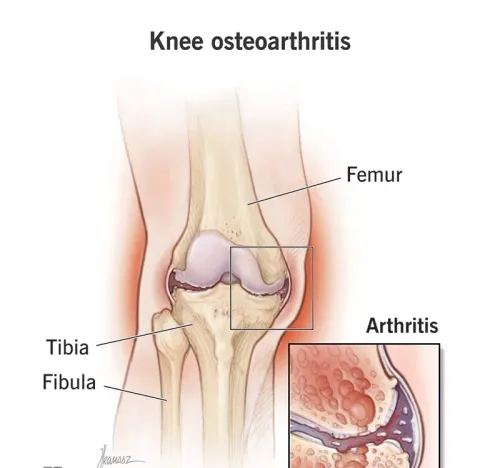

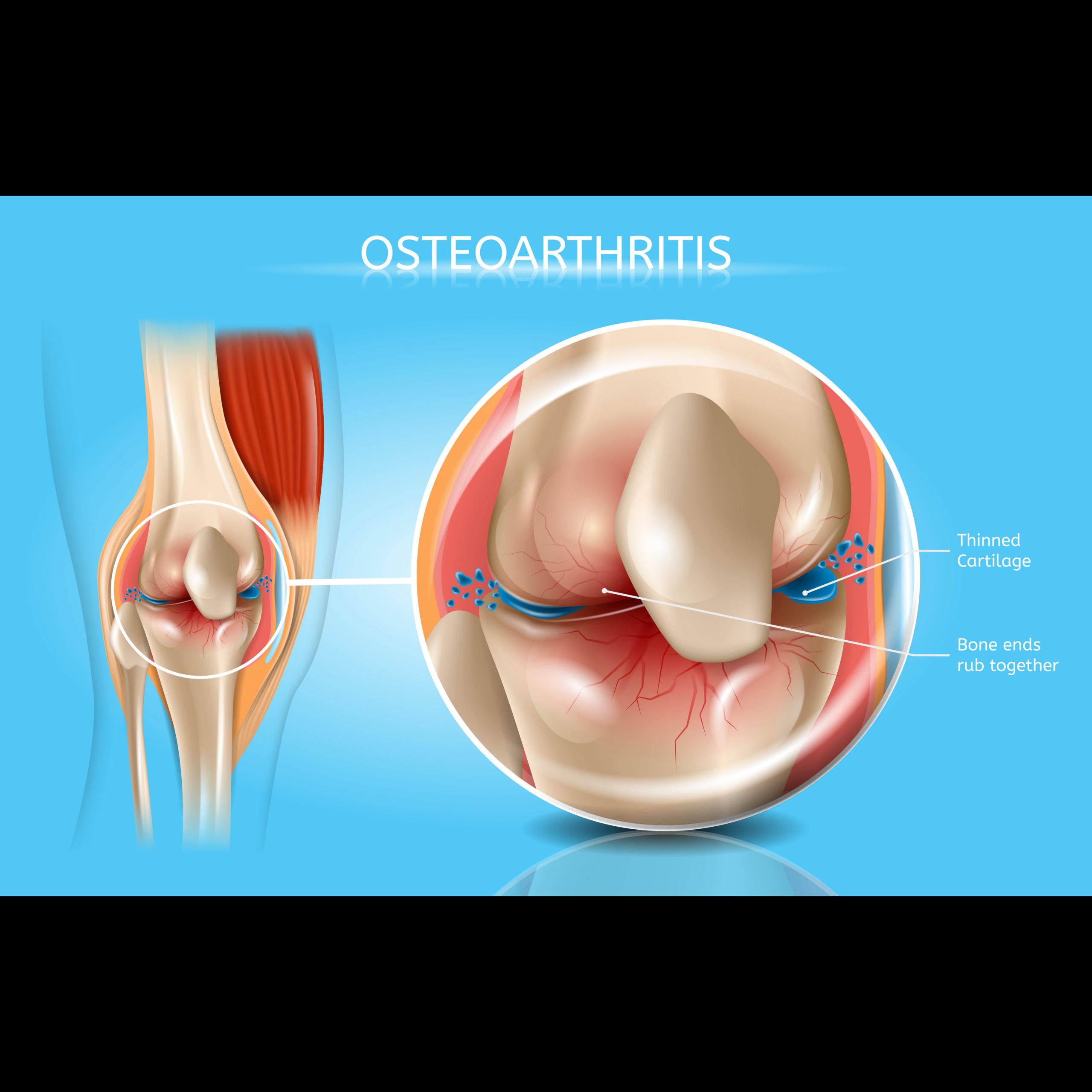
Osteoarthritis is one of the most common joint conditions we see, especially in older adults, and it gradually develops as the protective cartilage in the joints starts wearing down. This condition mostly affects weight-bearing joints like the knees, hips, and spine, but it can occur in any joint of the body. Patients usually complain of pain, stiffness, swelling, and difficulty doing daily activities like walking, climbing stairs, or sitting for long periods. The pain in osteoarthritis is typically worse in the morning or after prolonged rest, and many people notice a grinding or cracking sound in the joint as well. At Physionautics, our primary goal is to reduce pain, improve mobility, strengthen the muscles around the joint, and help the patient return to their normal routine without discomfort. The first thing we focus on is pain management. Modalities such as hot packs, TENS therapy, ultrasound, or gentle manual therapy can help reduce stiffness and make the joint more comfortable. Heat therapy is particularly effective because it relaxes the muscles and improves blood circulation. Once the pain starts reducing, we shift our focus toward exercises, which are the most important and long-term solution for osteoarthritis. Strengthening the muscles around the affected joint—like quadriceps and hamstrings for knee OA or glute muscles for hip OA—provides better support and reduces the load on the joint. Exercises such as straight-leg raises, mini squats, bridges, step-ups, and gentle range-of-motion movements are extremely effective when done regularly. Along with strength, flexibility is equally important, so stretching exercises are added to reduce tightness. For knee or hip patients, hamstring stretches, calf stretches, and hip-flexor stretches help in improving overall mobility.
Balance training is another vital part of physiotherapy because many osteoarthritis patients experience reduced joint stability, which can increase the risk of falls. Simple exercises like single-leg standing or side-stepping can make a huge difference in their confidence and safety. Low-impact activities such as cycling, swimming, or brisk walking are highly recommended because they keep the joints active without putting excessive stress on them. Lifestyle modification also plays a huge role in managing osteoarthritis. We guide patients on weight management, as even a small reduction in body weight can greatly decrease pressure on the knees. Proper footwear, avoiding long periods of standing, and maintaining correct posture also help protect the joints from further wear and tear. Education is a crucial part of our physiotherapy approach. We teach patients what movements to avoid, how to manage pain during flare-ups, and how to gradually increase their activity level without overloading the joint. Many people believe that osteoarthritis cannot be improved, but physiotherapy proves that with the right exercises and consistent effort, pain can be controlled, mobility can be restored, and quality of life can significantly improve. In the advanced stages, when the joint is severely damaged, surgical options like joint replacement may be considered, but even then physiotherapy before and after surgery plays an essential role in recovery.
Overall, osteoarthritis may be a long-term condition, but it is very manageable with timely physiotherapy. At Physionautics we provide structured exercise program, proper lifestyle changes, and regular follow-ups can prevent the condition from worsening and help patients lead an active and independent life. So if you or someone you know is experiencing joint pain or stiffness, don’t ignore it—early physiotherapy intervention can make a huge difference in staying mobile and pain-free.