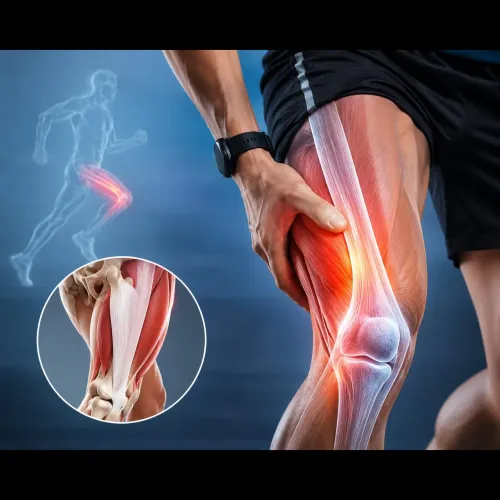

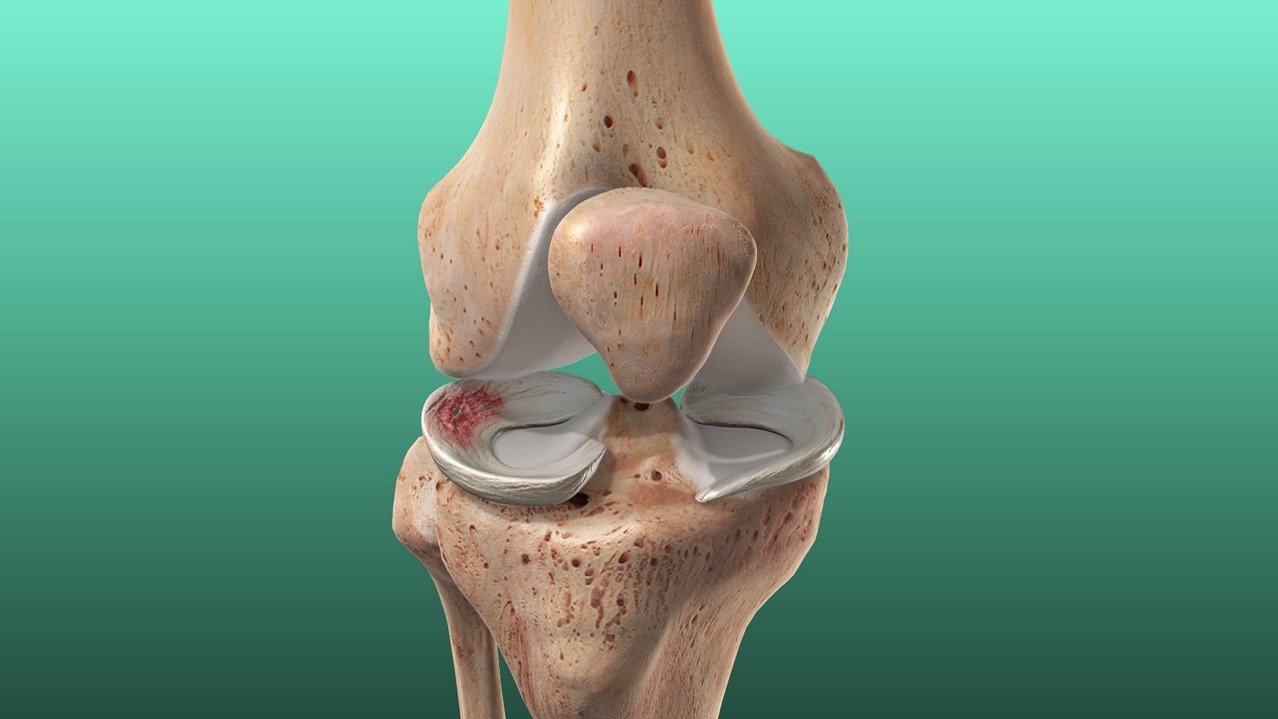
A meniscus tear is a common knee injury where the cartilage (meniscus) inside your knee gets damaged. The meniscus acts like a cushion between the thigh bone and shin bone, helping in smooth movement and shock absorption. When it tears, knee movement becomes painful and unstable.Symptoms may include pain in the knee, especially while twisting or squatting.Swelling (may appear immediately or after a few hours).Locking or catching sensation in the knee.Difficulty in fully straightening or bending the knee.Feeling of knee “giving way”.Meniscus tears can happen due to:Sudden twisting movements (common in sports), Deep squatting or lifting heavy weights, Aging and degeneration (weaker cartilage in older adults), Direct trauma to the knee
Physiotherapy plays a key role in recovery and often helps avoid surgery.
1. Pain & Swelling Management-Initial treatment includes rest, ice, compression, and elevation (RICE). Modalities like IFT, ultrasound, and cryotherapy are used to reduce pain and inflammation.
2. Mobility Exercises-Gentle range-of-motion exercises help restore knee movement without stressing the joint.
3. Strengthening ExercisesFocus is on strengthening Quadriceps, Hamstrings, Glute muscles, Strong muscles support the knee and reduce stress on the meniscus.
4. Proprioception & Balance Training-Exercises like single-leg stance and balance board training improve knee stability and prevent re-injury.
At Physionautics, advanced techniques are used for faster and more effective recovery:
Manual Therapy: Joint mobilization to improve knee mechanics.
Myofascial Release: Reduces muscle tightness around the knee.
Kinesio Taping: Provides support and reduces pain.
Dry Needling: Helps release muscle trigger points.
Shockwave Therapy (in selected cases): Promotes tissue healing.
Neuromuscular Training: Improves coordination and functional movement.
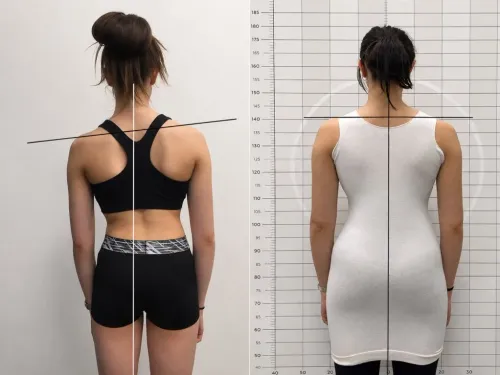
Every meniscus tear is different. At Physionautics, treatment starts with a detailed assessment including:Posture and gait analysis, Muscle strength testing, Movement pattern evaluation, Based on this, a personalized rehab plan is created. This ensures:Faster recovery, Reduced risk of recurrence, Safe return to daily activities or sports.
In simple terms, with the right physiotherapy and guided rehabilitation, most meniscus tears can heal well without surgery, allowing you to regain strength, stability, and confidence in your knee.