
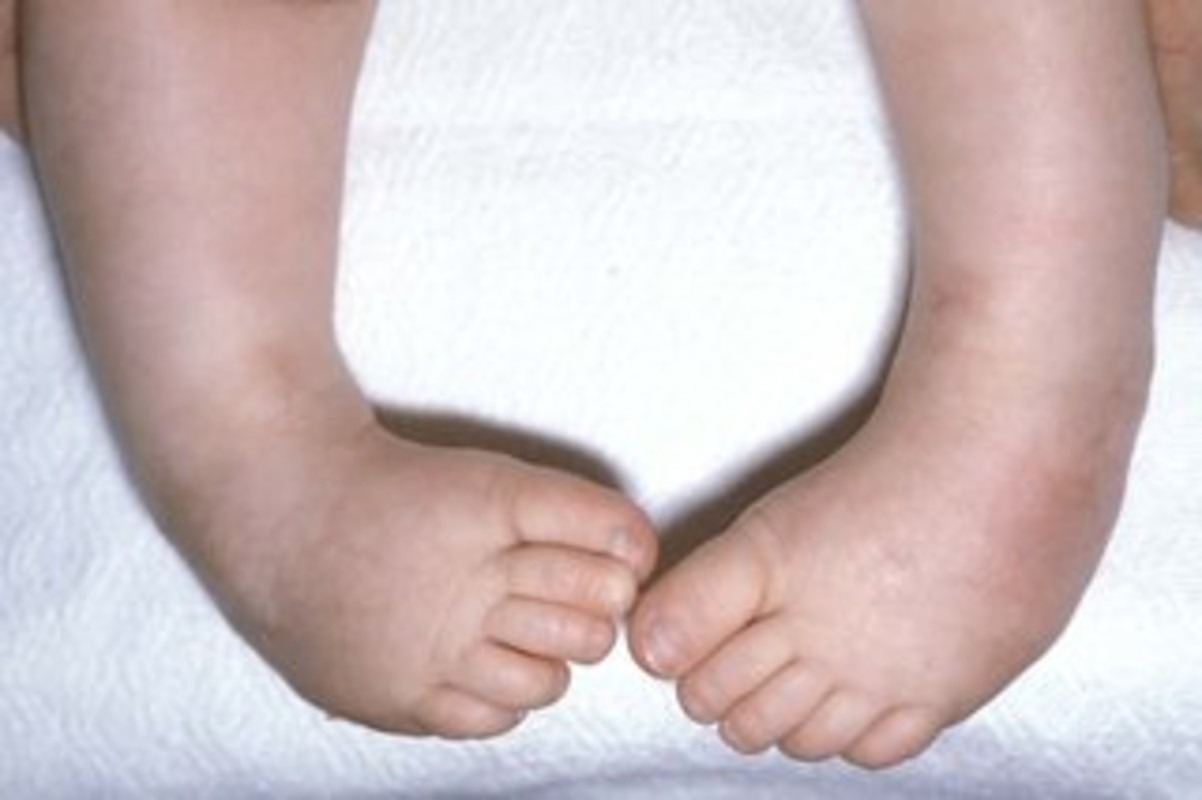
Club foot is a condition present from birth where the baby’s foot is turned inward and downward. It can affect one or both feet which makes it difficult for the infant to keep the sole of the foot flat on the ground. The cause is not clear and it can be due to genetics, abnormal positioning in the womb, or issues with muscle and bone during development. Early diagnosis and treatment are important for helping the child walk normally. Physiotherapy is one of the most effective and safe non surgical treatment for club foot. It can be started soon after birth. The aim of physiotherapy is to correct the foot position, improve muscle strength, and make the child to achieve a normal walking pattern.
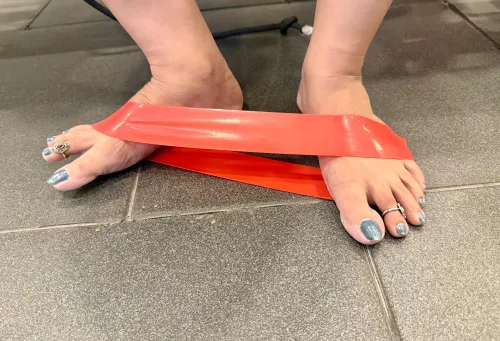
There are different techniques for the correction but one of the widely used physiotherapy approach for club foot is the Ponseti technique. This approach includes gentle manual manipulation of the foot. Guiding the parents through this process and providing exercises that help keep the foot flexible and strong is also important is also done by the therapist. Consistent physiotherapy sessions which focuses on stretching, strengthening, and functional training. Stretching are done to reduce stiffness and restore the joint range and strengthening exercises focuses on the calf and foot muscles to support foot alignment. As the child grows the balancing and walking exercises are then introduced as in to improve coordination and prevent faulty postures.
Involvement of the parents is just as important as physiotherapy. Teaching parents how to position the child’s foot correctly and how to perform gentle home exercises and ensure that braces or footwear are fitted as prescribed. Consistency in these practices makes a big difference in the long-term outcome.
With timely intervention and proper rehab most children with club foot grow up to walk, run, and play without any major issues. The key is early detection, regular follow up, and patience throughout the treatment journey.