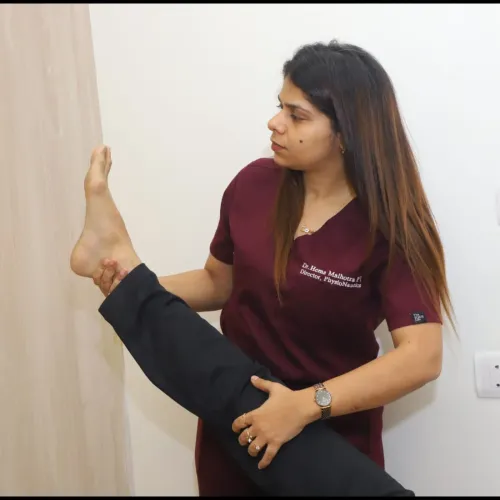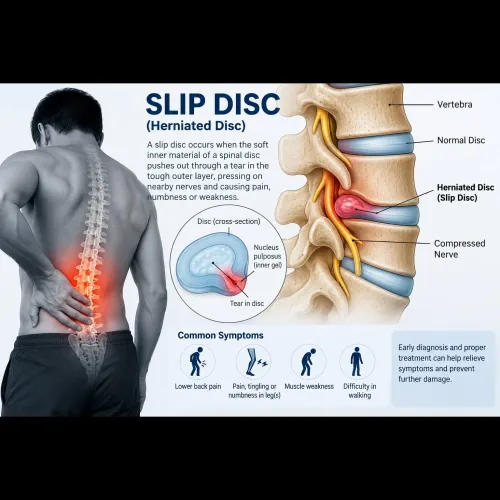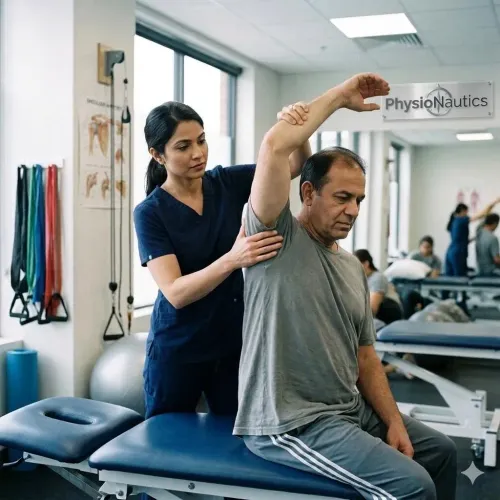

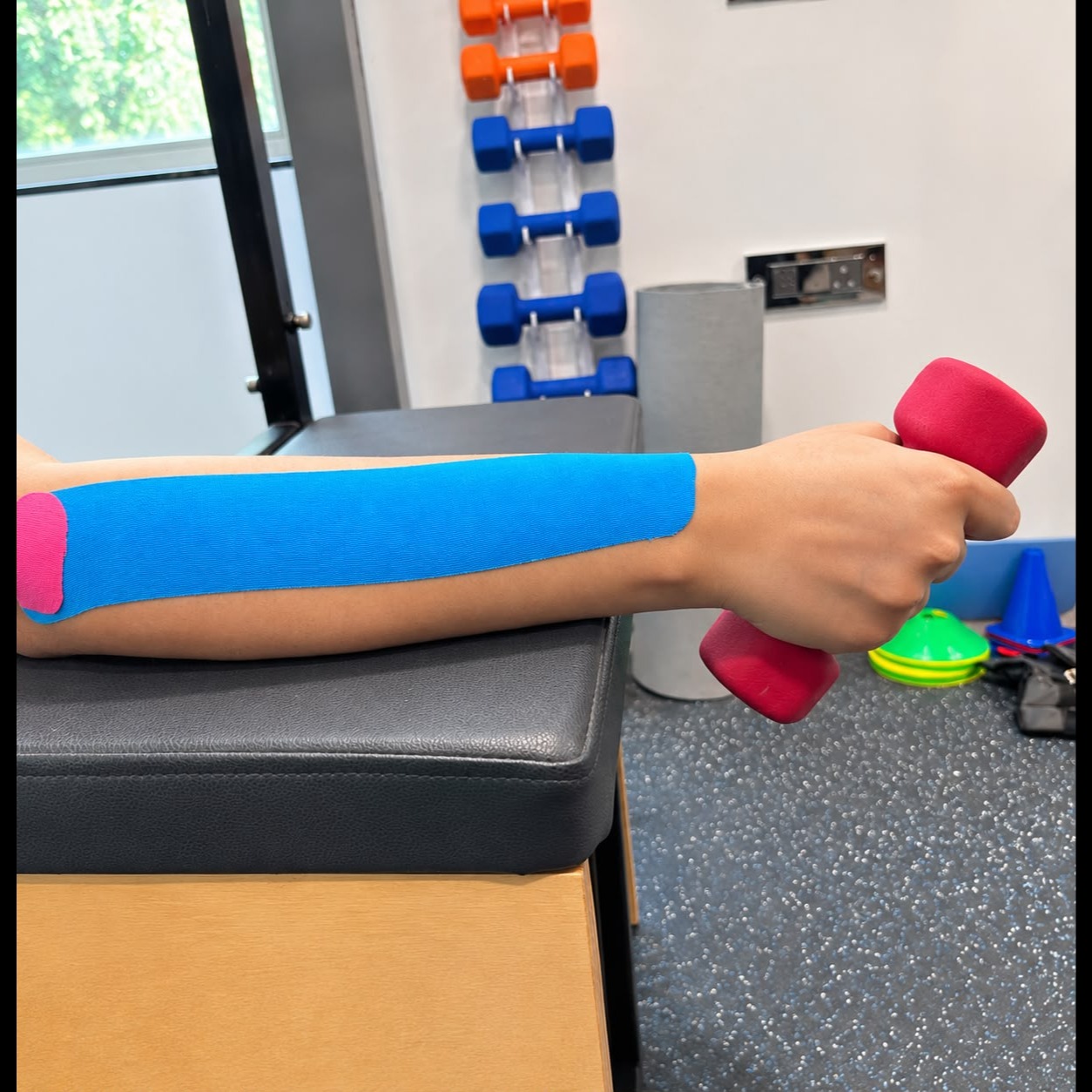
Carpal Tunnel Syndrome (CTS) is a common condition that affects the hand and wrist, causing pain, numbness, tingling, and weakness It occurs when the median nerve, which passes through a narrow passage called the carpal tunnel in the wrist, becomes compressed or irritated This nerve is responsible for sensation in the thumb, index finger, middle finger, and part of the ring finger, as well as controlling certain thumb movements Carpal Tunnel Syndrome is frequently seen in individuals who perform repetitive hand movements, such as typing, writing, using mobile phones, or working with tools for prolonged periods The primary causes of Carpal Tunnel Syndrome include repetitive wrist movements, prolonged pressure on the wrist, improper hand positioning, inflammation of the tendons, and swelling within the carpal tunnel Certain medical conditions, such as diabetes, thyroid disorders, rheumatoid arthritis, and pregnancy-related fluid retention, can also increase the risk of developing this condition Common symptoms include tingling or numbness in the fingers, wrist pain that may radiate towards the forearm, reduced grip strength, difficulty holding objects, and a sensation of weakness in the thumb. Symptoms often worsen at night or during activities involving repetitive wrist movements In advanced cases, individuals may experience difficulty performing everyday tasks such as buttoning clothes, holding a cup, or using a mobile phone Physiotherapy plays a significant role in the conservative management of Carpal Tunnel Syndrome by reducing nerve compression, improving wrist mobility, relieving pain, and restoring hand function. At PhysioNautics Advanced Physiotherapy & Fitness Centre, treatment begins with a detailed assessment of symptoms, wrist mobility, grip strength, sensation, nerve involvement, and functional limitations to identify the underlying contributing factors. Based on the assessment, a personalized rehabilitation program is designed Treatment may include nerve gliding exercises to improve median nerve mobility, tendon gliding exercises to enhance the movement of tendons through the carpal tunnel, gentle wrist and hand stretching, and strengthening exercises for the wrist and hand muscles when appropriate. Manual therapy techniques may be used to improve soft tissue mobility and reduce discomfort. Therapeutic modalities such as ultrasound or other pain-relief techniques may be incorporated when clinically indicated. Patients are also educated about ergonomic modifications, proper wrist positioning, activity modification, and the use of wrist splints, particularly during sleep At PhysioNautics, our goal is to address the contributing factors rather than simply manage the symptoms. With evidence-based physiotherapy, individualized treatment, and guided rehabilitation, patients can improve their comfort, hand function, and ability to perform daily activities Early assessment and treatment are important, especially if numbness or weakness persists, as severe nerve compression may require medical or surgical evaluation.