
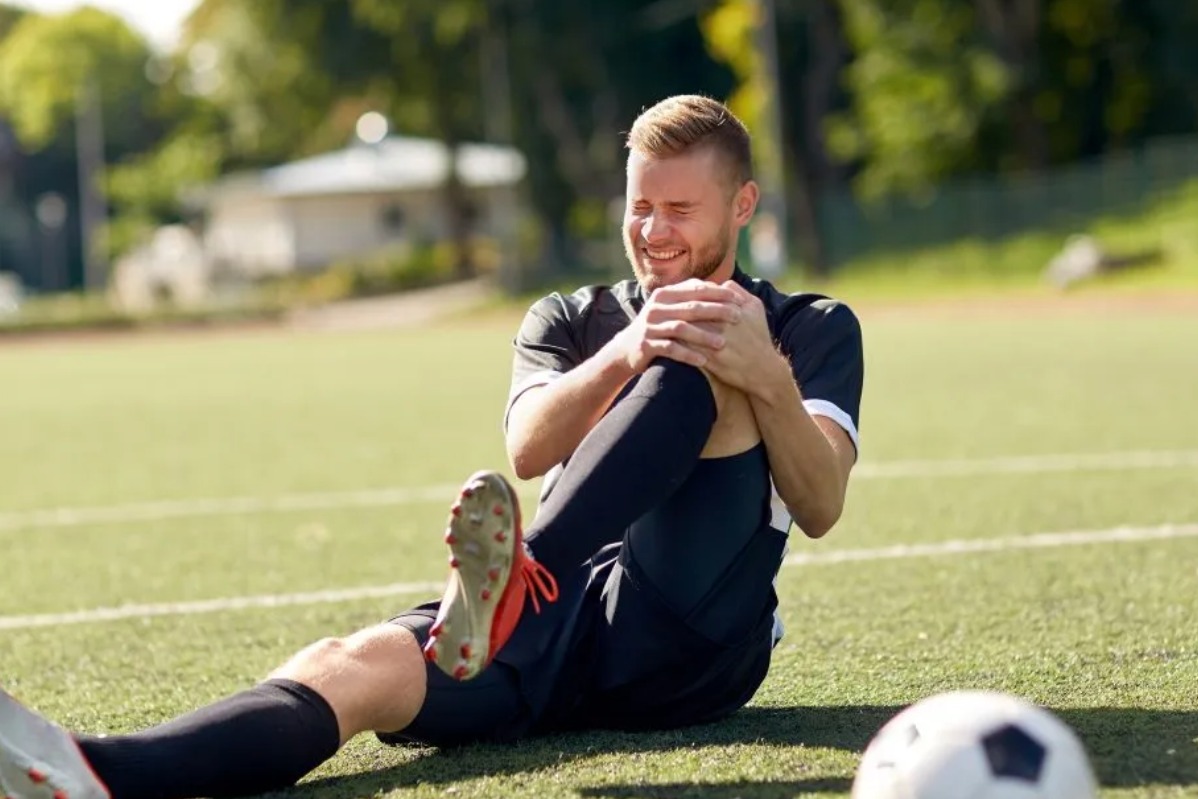
As a physiotherapist, I see athletes every day who say, “There was no injury, the pain just started slowly.” This is exactly how overuse injuries begin. They occur due to repetitive movements, excessive training load, poor technique, muscle imbalance, or inadequate rest. Sports like running, cricket, football, badminton, tennis, and gym training are commonly associated with overuse injuries.
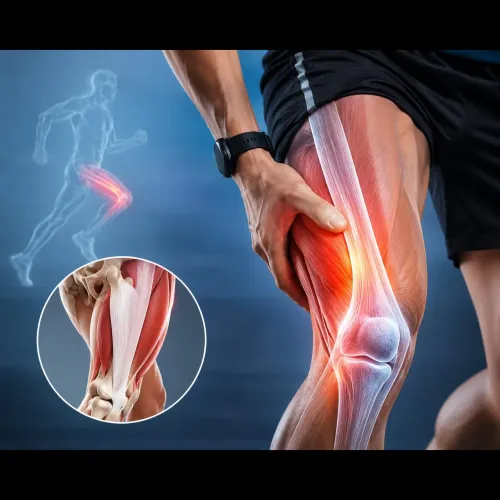
Some common examples of overuse injuries include tendinitis, shin splints, stress fractures, tennis elbow, golfer’s elbow, patellofemoral pain syndrome, and rotator cuff injuries. In the early stage, the pain may appear only after activity. But if ignored, it can progress to pain during activity and even pain at rest.
From a physiotherapist’s point of view, early identification is the key. Pain, stiffness, swelling, reduced performance, or weakness are warning signs that should never be ignored. Continuing to train through pain can turn a mild condition into a chronic injury, which may take months to recover.
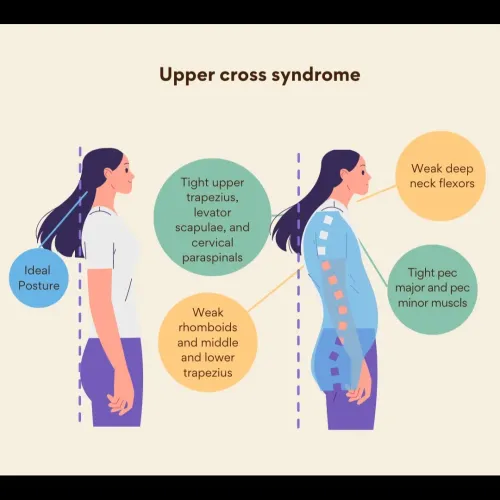
Assessment is a very important part of physiotherapy management. We don’t just look at the painful area; we assess the entire movement pattern. This includes posture, joint mobility, muscle strength, flexibility, biomechanics, and training habits. Very often, the real cause of pain is not where the athlete feels it.
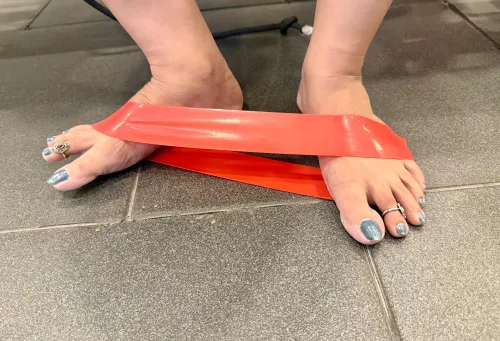
Physiotherapy treatment focuses on pain relief, tissue healing, and correcting the root cause. Modalities like ice therapy, ultrasound, dry needling, or electrotherapy may be used in the acute phase. But treatment does not stop there. Exercise therapy is the backbone of recovery. This includes stretching tight muscles, strengthening weak muscles, improving core stability, and restoring proper movement control.
A very important role of a physiotherapist is load management. Athletes need guidance on when to rest, when to train, and how to progress safely. Sudden increases in training intensity, duration, or frequency are one of the biggest reasons for overuse injuries. Gradual progression and planned recovery are essential.
Prevention is always better than treatment. As a physiotherapist, I strongly emphasize proper warm-up, cool-down, correct technique, appropriate footwear, and adequate recovery. Cross-training and rest days help reduce repetitive stress on the same tissues.
In conclusion, overuse injuries are common but completely manageable and preventable with the right approach. Ignoring pain is not a sign of strength; listening to your body is. If you are an athlete experiencing persistent pain or reduced performance, consult a physiotherapist early. Timely physiotherapy not only treats the injury but also helps you return to sport stronger, safer, and more confident.