
Carpal Tunnel Syndrome (CTS)
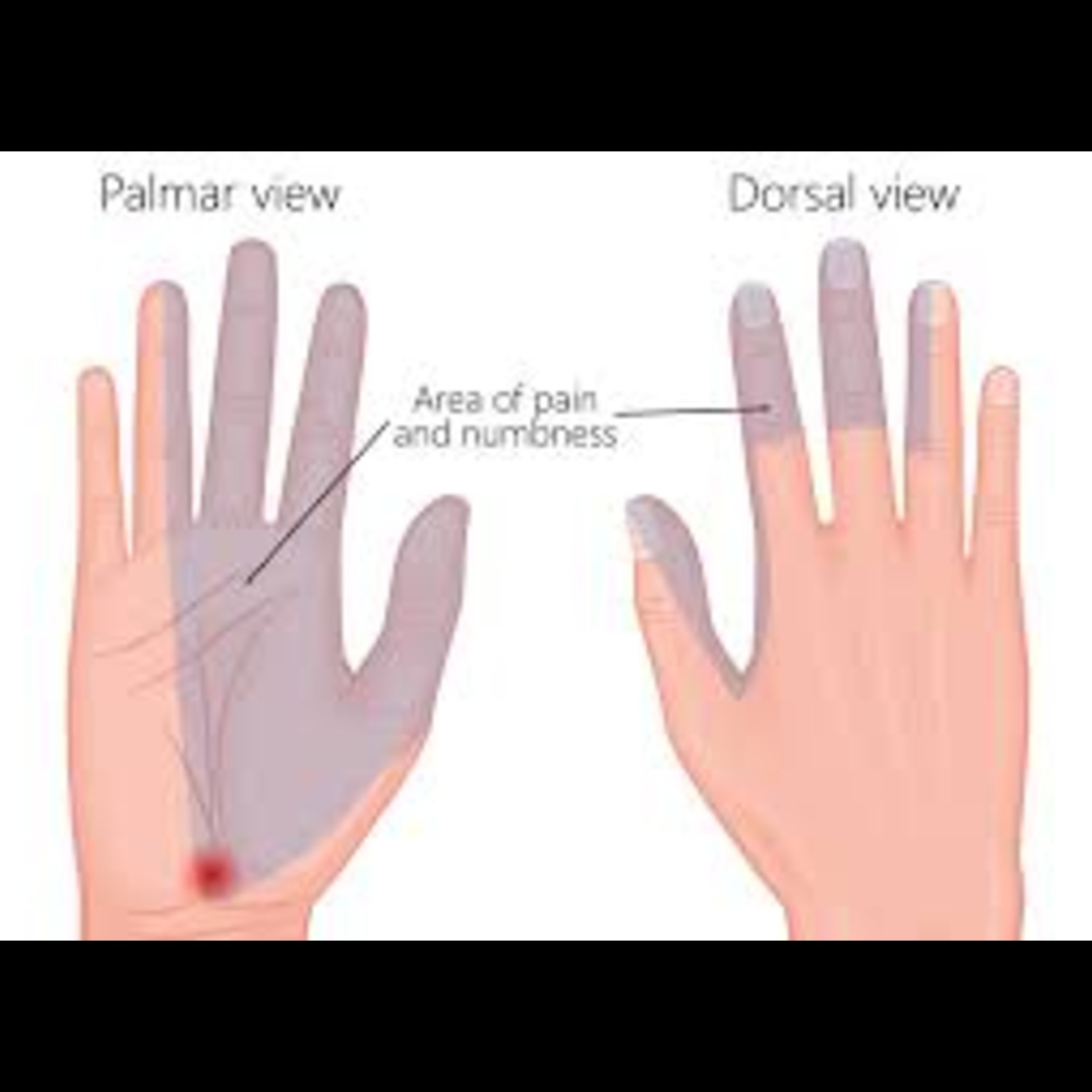
Carpal Tunnel Syndrome is caused by compression of the median nerve at the wrist, leading to pain, numbness, tingling, and weakness in the hand, especially in the thumb, index, and middle fingers. It commonly occurs due to repetitive wrist movements, prolonged improper posture, or conditions like diabetes and pregnancy.
Physiotherapy is indicated in mild to moderate CTS, postoperative cases, and patients with symptoms such as nocturnal pain, hand weakness, reduced grip strength, and paresthesia.
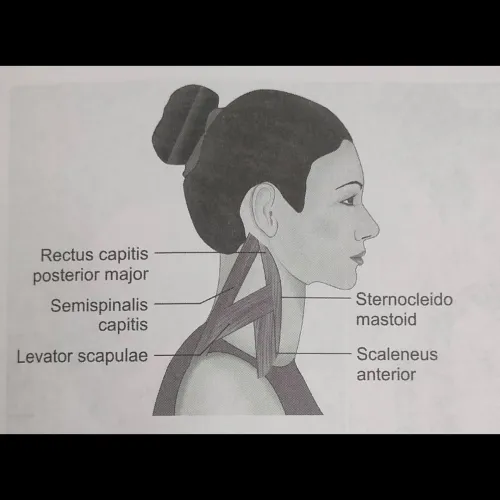
Treatment focuses on the wrist, palm, forearm (flexor muscles), and sometimes the cervical spine if neural involvement is present.
Management includes pain relief, reducing inflammation, improving nerve mobility, and restoring hand function.
Pain relief modalities: TENS, ultrasound therapy, and cryotherapy.
Splinting: Wrist splint in neutral position, especially at night
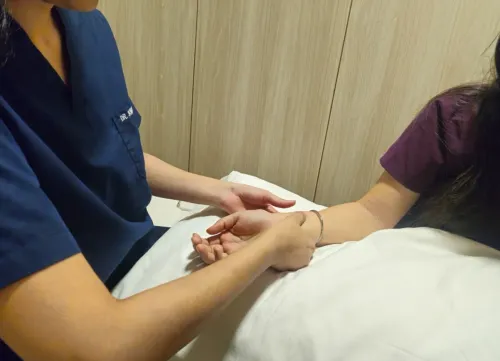
Manual therapy: Soft tissue mobilization and carpal bone mobilization
Nerve gliding exercises: Median nerve gliding to reduce adhesions
Stretching: Wrist flexors and extensors
Strengthening: Gradual grip and pinch strengthening exercises
Ergonomic advice: Correct typing posture, avoid repetitive strain
Treatment is typically given 3–5 sessions per week for 4–6 weeks depending on severity. Exercises should be performed 2–3 times daily with 10–15 repetitions. Splinting may be advised for 6–8 hours (night use).
, improve nerve function, and prevent progression of CTS.