
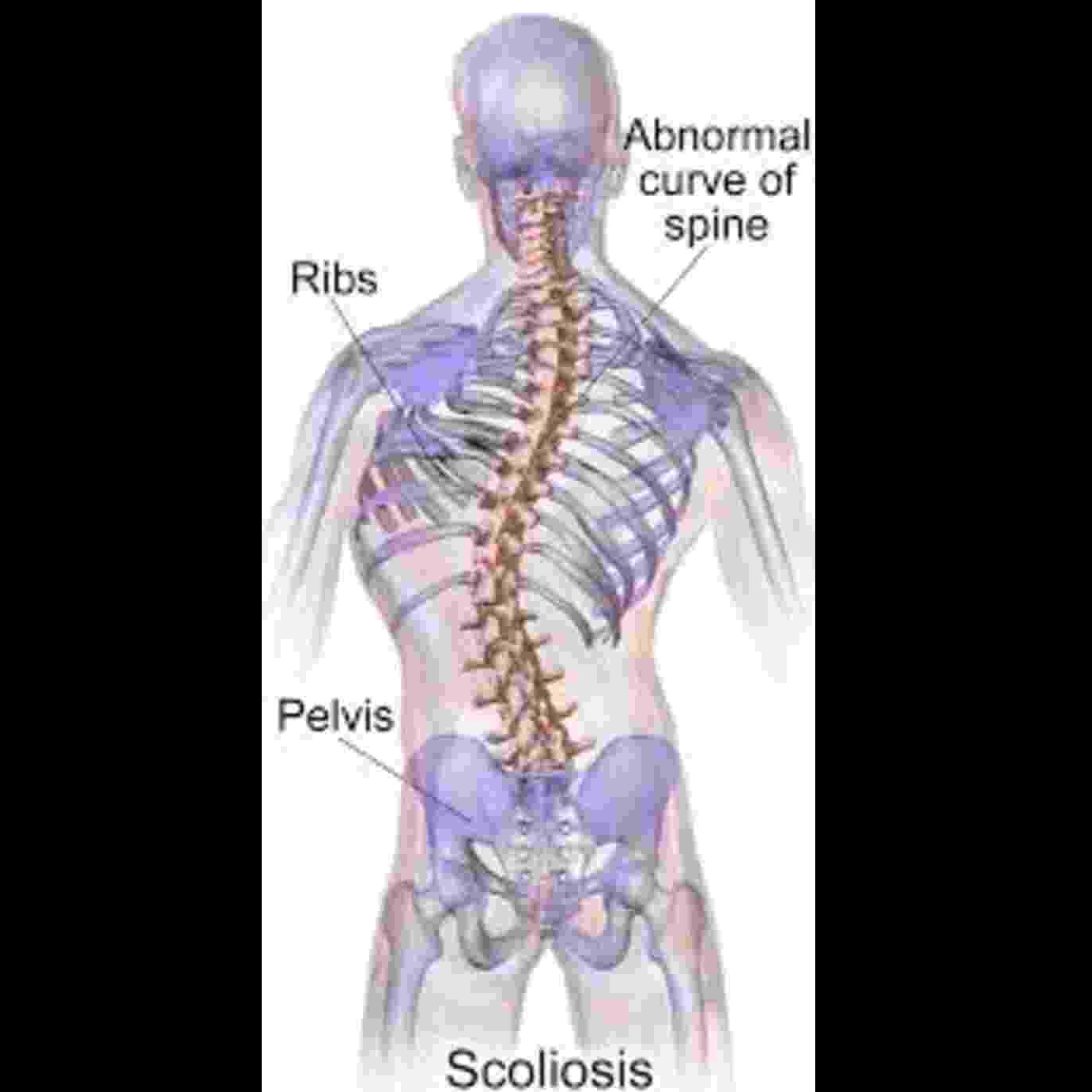
Scoliosis causes the spine to bend sideways, creating a “S“ or “C“ shape. If neglected, it might appear in childhood or adolescence and result in postural abnormalities, muscular imbalance, and back pain. Physiotherapy is essential for managing and enhancing quality of life, even though the structure of the spine cannot always be completely straightened.
Three main goals of scoliosis physiotherapy are correction, control, and confidence. The major objective is to strengthen the muscles supporting the spine and teach the body to maintain a more balanced posture. Patients can noticeably improve their alignment and everyday comfort with focused workouts and specific methods.
The Schroth method is a popular physiotherapy technique that de-rotates and stabilizes the spine through particular postures and rotational breathing. In order to address muscle imbalances, therapists also work on posture retraining, tight muscle stretching, and core strengthening. Kinesio taping and manual therapy are frequently utilized to reduce stiffness and offer extra support.
Breathing exercises are also crucial because they increase lung expansion and endurance, particularly in patients with rib cage rotation. To ensure safe and efficient outcomes, each treatment approach is tailored to the kind and severity of the curve.
Before creating a customized program, our physiotherapists at NFC PhysioNautics evaluate each patient's posture, muscle strength, and flexibility. Effective management of scoliosis can reduce pain, improve body symmetry, and restore confidence in mobility with consistency and appropriate direction.
Remember that early action has a significant impact. See a physiotherapist and start along the path to a stronger, more aligned spine if you observe unequal shoulders or changes in posture.