
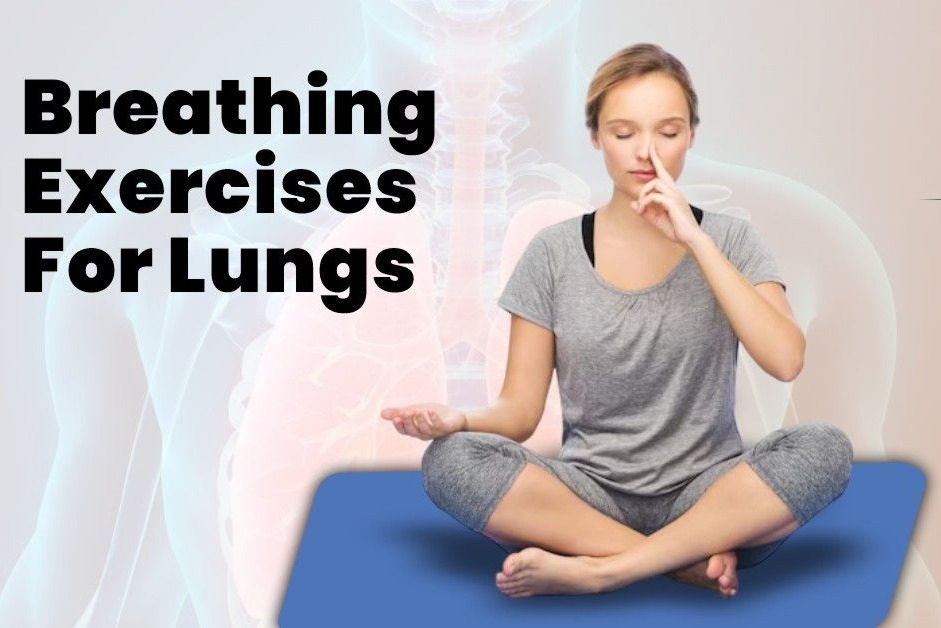
Breathing exercises are a cornerstone of physiotherapy, offering critical benefits in today’s increasingly polluted environments. Rising air pollution levels pose significant health risks, particularly to the respiratory system, leading to reduced lung function, airway inflammation, and an increased incidence of chronic respiratory diseases such as asthma and chronic obstructive pulmonary disease (COPD) Physiotherapeutic breathing exercises play an essential role in counteracting these effects by enhancing pulmonary efficiency, improving oxygenation, and promoting airway clearance . Techniques such as diaphragmatic and pursed-lip breathing help strengthen respiratory muscles, reduce air trapping, and facilitate more effective gas exchange — all of which are vital in mitigating the adverse impact of air pollutants on lung health .
In individuals exposed to high levels of particulate matter or urban smog, regular breathing exercises can help maintain respiratory capacity, alleviate shortness of breath, and improve tolerance to physical activity . These exercises also promote relaxation and counteracting stress responses often triggered by pollution-induced hypoxia and oxidative stress . Furthermore, in vulnerable populations such as children, the elderly, and those with pre-existing respiratory disorders, breathing retraining can serve as a preventive strategy to enhance lung capacity and reduce symptom severity .
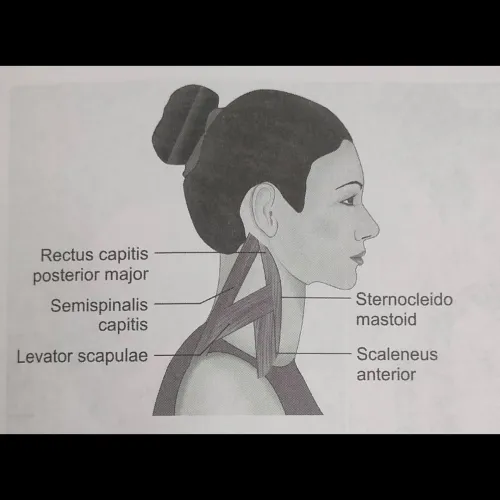
Incorporating breathing exercises into physiotherapy and public health interventions is therefore crucial for improving respiratory health in polluted settings. By strengthening the diaphragm, , and enhancing the body’s ability to cope with environmental stressors, these techniques contribute significantly to overall well-being and quality of life . The growing integration of breathing-based physiotherapy within pulmonary rehabilitation and wellness programs underscores its importance not only in disease management but also in mitigating the health consequences of modern environmental pollution .