
Best treatment for pulled elbow
Is your child suddenly refusing to move their arm? Are they holding it close to the body and crying when you try to lift it? It could be a condition called Pulled Elbow.
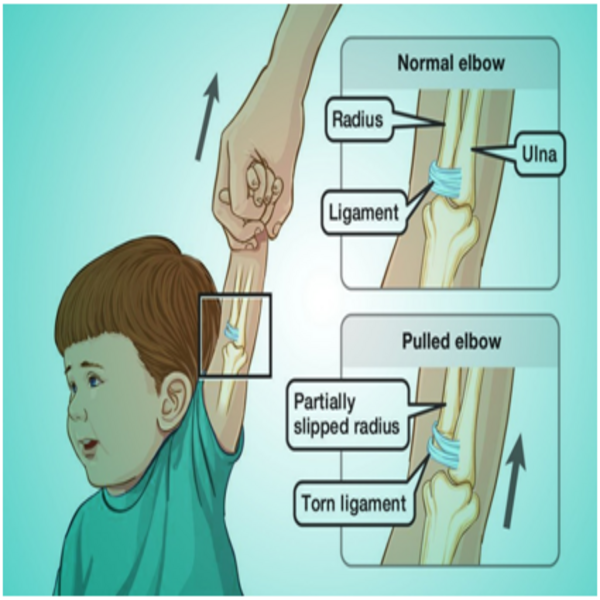
A Pulled Elbow, also called Nursemaid’s Elbow, happens when the radius bone in the child’s forearm slips out of its normal position at the elbow joint. It’s common in children aged 1 to 5 years and usually happens when the arm is pulled suddenly — like while lifting a child by the hand or when they trip while holding hands.
In young children, the ligaments (tissues holding the bones together) are still loose and soft. A sudden pull can cause the radius to slip out — a condition called subluxation. This can happen during:
• Lifting or swinging the child by the arms
• Pulling the child suddenly to avoid danger
• A minor fall where the arm is twisted
Common Signs:
• Child refuses to use the arm
• Arm hangs loosely by the side
• Elbow is slightly bent, and the palm is turned downward
• Pain when trying to move the elbow
• No visible swelling or bruising
At Physionautics, our pediatric-trained physiotherapists use gentle, fun, and child-friendly techniques to ensure fast recovery and comfort. We work closely with parents to educate and guide safe practices at home and school.
Our Advanced Care Includes:
Joint Mobilization (Gentle Techniques)
• Light movements to restore full elbow range of motion
• Ensures proper alignment and joint mechanics
Muscle Activation Exercises
• Focus on forearm flexors/extensors and shoulder stability
• Encourages use of the affected arm during play and daily activity
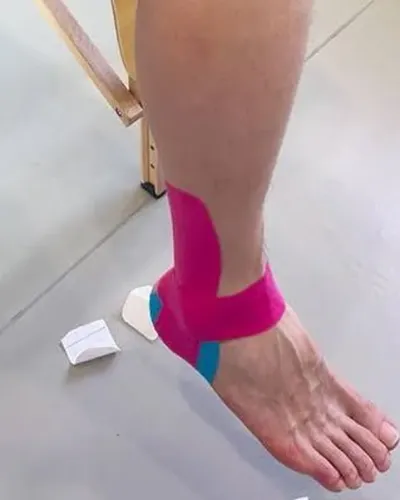
Kinesio Taping (Child-Safe Application)
• Supports elbow position and reduces strain during healing
• Prevents overuse of the opposite arm
Parental Education
• Proper lifting techniques and ergonomic handling
• Prevention strategies to avoid pulling or jerking the arm again
Play-Based Rehabilitation
• Age-appropriate activities that restore strength and confidence
• Includes ball throwing, block building, and reach-and-grab games
Electrotherapy (When Needed)
• Child-safe modalities like TENS may be used in chronic or recurring cases with muscle spasm or pain
Visit Physionautics