


Best Chiropractic Clinic
2026-04-03T14:00:08  read more
 read more
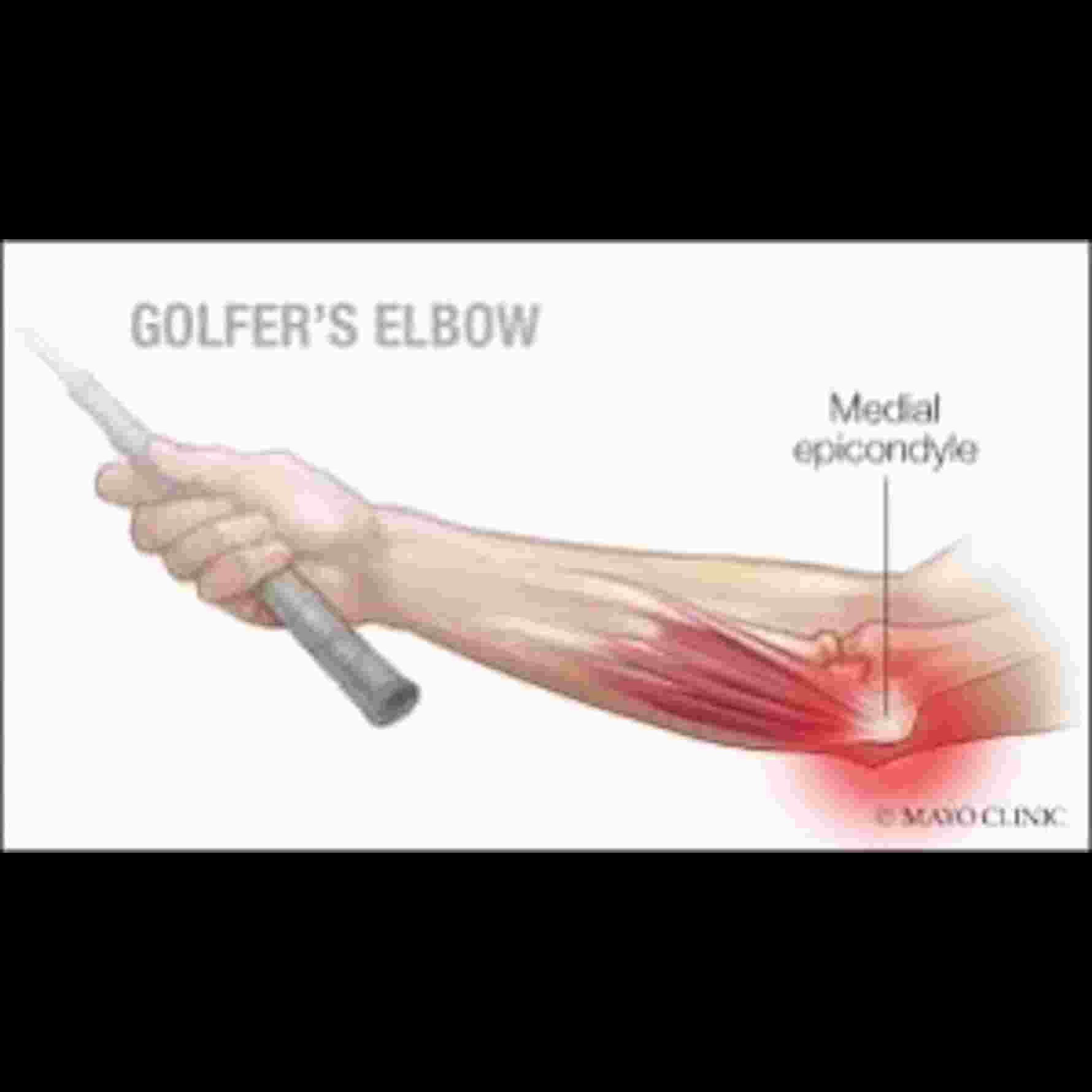

Golfer’s elbow, or medial epicondylitis, is more than just discomfort on the inner side of the elbow as it’s a reminder of how even simple, repeated actions can strain the body. Despite its name, this condition isn’t confined to golfers. Anyone who performs repetitive wrist or gripping movements such as painters, typists, carpenters, or athletes can develop it. The pain usually arises where the forearm’s flexor muscles attach to the inner elbow bone, leading to tenderness, stiffness, and sometimes a dull ache spreading down the forearm. Often, it begins quietly, ignored until lifting a cup of tea or shaking hands triggers a sharp sting. That’s when physiotherapy becomes not only a treatment but also a journey of recovery and rediscovery.In physiotherapy, the focus extends beyond the painful spot to the person as a whole. The physiotherapist first seeks to understand the story behind the pain like when it started, what movements provoke it, and how daily habits or posture may play a role. Physiotherapy combines clinical knowledge with empathy; it’s about listening and guiding, not merely prescribing exercises. Treatment usually begins with pain relief through ice, soft-tissue massage, ultrasound, or gentle mobilization to calm the irritated tendons. Then comes the crucial stage I.e. rebuilding strength and mobility. Specific exercises like eccentric wrist curls, forearm stretches, and grip control drills aim to restore tendon health without overloading it. Postural awareness, shoulder stability, and ergonomic corrections ensure the recovery is complete and lasting.Healing from golfer’s elbow requires patience and consistency. Physiotherapy teaches that progress doesn’t always come in leaps sometimes it’s measured by being able to lift a kettle without wincing. As the pain reduces and strength returns, so does confidence.Confidence to return to sport, work, or simply everyday tasks without fear of flare-ups. Education forms a vital part of this process: learning how to manage workloads, warm up properly, and adjust techniques to avoid reinjury. These small lessons often have a big ripple effect, helping people understand their bodies better and trust them again.What makes physiotherapy special in treating golfer’s elbow is its human touch. Beyond protocols and stretches lies compassion, the reassurance that healing is possible with time and effort. The therapist becomes a partner in recovery, encouraging movement, celebrating progress, and helping rebuild not just physical strength but also mental resilience. Ultimately, physiotherapy transforms pain into awareness and frustration into freedom. It reminds us that movement, when guided wisely, heals not only the joints and muscles but also our relationship with our bodies.
 read more
  read more
 We hate spam too.


