
Sports injuries are a common part of an active lifestyle. Whether it is an ankle sprain, muscle strain, ligament injury, post-surgical recovery, or an overuse injury, getting back to normal activity can take time. One rehabilitation approach that can make this process easier and more comfortable is aqua therapy.
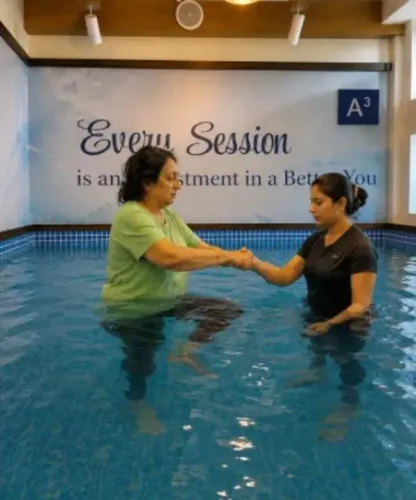
Aqua therapy, also known as aquatic physiotherapy, involves performing specific exercises in water under the guidance of a physiotherapist. The unique properties of water allow athletes to exercise with less stress on injured joints while still working on strength, mobility, balance, and overall movement.
One of the biggest advantages of water is buoyancy. When the body is partially submerged, the water supports a portion of the body weight. This reduces the load placed on joints and injured tissues. For someone who is unable to comfortably walk, squat, or perform certain exercises on land, the pool can provide a safer environment to begin movement.
Water also provides natural resistance. Unlike exercising on land, resistance is present in different directions as the body moves through water. This can be used to gradually improve muscle strength without immediately placing heavy loads on an injured area. Exercises can be progressed by changing the speed of movement, depth of water, or using appropriate aquatic equipment.
Another important benefit is improved range of motion. Warm water can help the body feel more relaxed, making certain movements easier and more comfortable. This can be particularly useful during the early stages of rehabilitation when stiffness and fear of movement may limit exercise.
For sports injuries, rehabilitation is not only about reducing pain. Athletes need to regain balance, coordination, strength, endurance, and confidence before returning to their sport. Aqua therapy can help work on these areas progressively. Exercises can be modified according to the athlete's condition and stage of recovery.
Aqua therapy may be useful during rehabilitation for ankle sprains, knee injuries, muscle strains, ligament injuries, post-operative rehabilitation, stress-related injuries, and other musculoskeletal conditions. It can also be helpful for athletes who need to maintain a certain level of cardiovascular fitness while temporarily limiting high-impact activities.
However, aqua therapy is not simply about exercising in a swimming pool. The exercises, intensity, water depth, and progression should be selected according to the individual's injury, symptoms, strength, and rehabilitation goals. It should be considered as part of a complete rehabilitation programme rather than a replacement for land-based physiotherapy.
The ultimate goal of sports rehabilitation is to help an athlete return to activity safely and confidently. By reducing joint loading while still allowing controlled movement and resistance training, aqua therapy can be a valuable tool at different stages of recovery.
With the right guidance and progression, the pool can become more than just a place to swim, it can become an important part of an athlete's journey back to movement, performance, and sport.
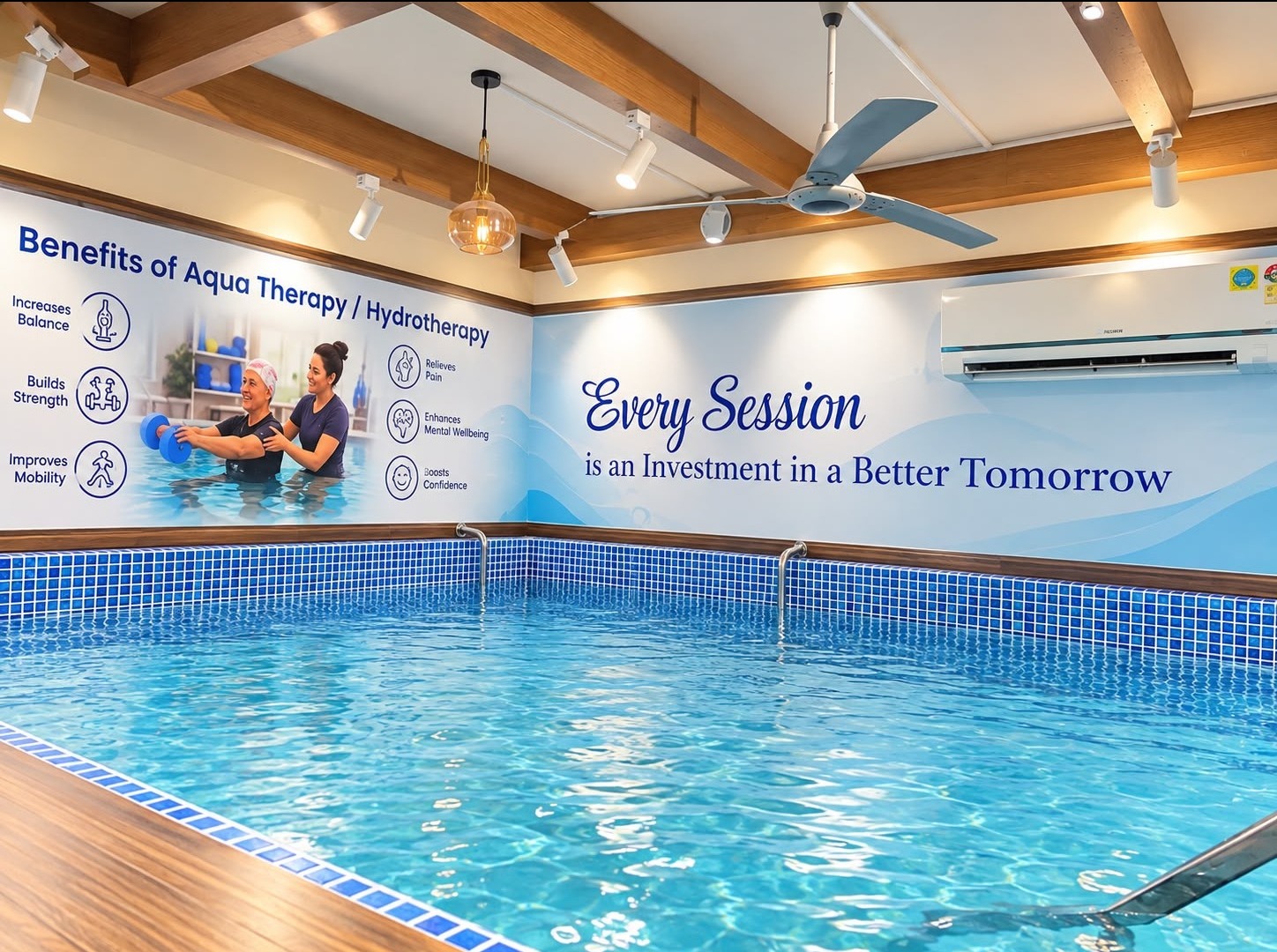
At PhysioNautics, Gurugram, DLF Phase I, we provide aqua therapy in a heated pool under the guidance of expert physiotherapists, with exercises tailored to the individual's injury, rehabilitation stage, and functional goals.