


Aquatherapy or Hydrotherapy or Aquatic therapy for back Pain - Physionautics
2026-05-18T14:40:22  read more
 read more
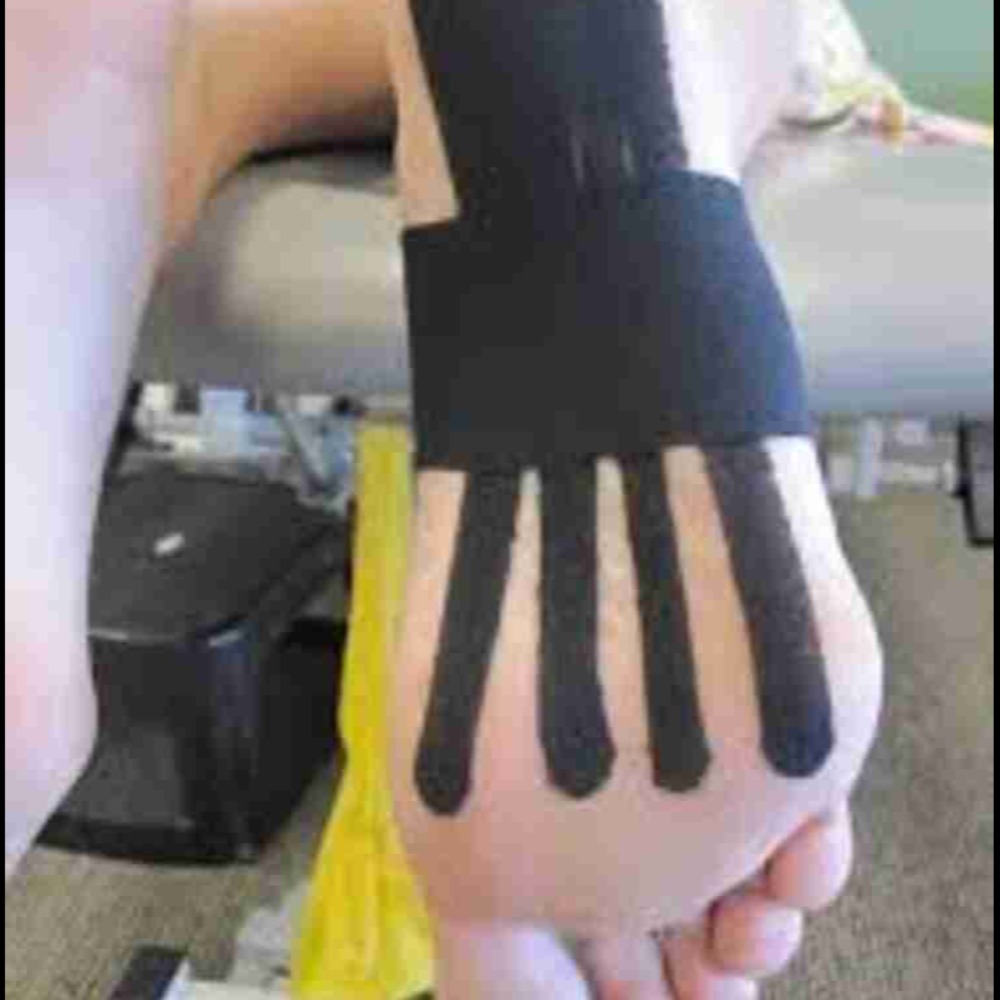

Kinesio tapIng has become one of the most identifiable tools in modern physiotherapy. Athletes, influencers, and even regular individuals who are in agony now wear those vibrant stripes on their shoulders, knees, backs, and ankles. However, the true question still stands: is kinesio taping merely a fad that looks wonderful on the skin, or does it genuinely work? Knowing that the truth is somewhere in the middle can help you determine when this method is actually helpful and when it might not have much of an impact. The purpose of kinesio tape is to improve microcirculation in the underlying tissues by gradually lifting the skin. This mild lifting can lessen pressure on sensitive pain receptors, which is why many patients find quick relief after taping. Additionally, it might lessen swelling by enhancing lymphatic drainage, particularly in cases of bruises, ankle sprains, and post-operative swelling. For athletes, the tape provides a supporting sensation without restricting movement, which explains why it is chosen during sports or workouts where bulky braces are bothersome. However, it’s crucial to remember that kinesio recording is not a miracle treatment. According to research, taping does not take the role of strengthening, mobility training, or appropriate rehabilitation, even if it may provide temporary pain relief and enhanced proprioception. The effects are frequently best when paired with physiotherapy exercises, manual therapy, and lifestyle modifications. On its own, it may give comfort, confidence, and temporary support, but it does not cure the fundamental problem. For instance, taping a knee with weak quadriceps may lessen pain during exercise, but strength and stability restoration is still necessary for long-term rehabilitation. However, it’s crucial to remember that kinesio recording is not a miracle treatment. According to research, taping does not take the role of strengthening, mobility training, or appropriate rehabilitation, even if it may provide temporary pain relief and enhanced proprioception. The effects are frequently best when paired with physiotherapy exercises, manual therapy, and lifestyle modifications. On its own, it may give comfort, confidence, and temporary support, but it does not cure the fundamental problem. For instance, taping a knee with weak quadriceps may lessen pain during exercise, but strength and stability restoration is still necessary for long-term rehabilitation. Kinesio taping is particularly effective in certain circumstances. It eases the tension on damaged tissues and permits less painful movement during acute pain phases. Taping can serve as a continual reminder to the body to maintain improved alignment for those with muscular imbalances or bad posture. It can also let athletes function at their normal level without feeling constrained. However, there are other situations in which it provides little benefit, such as persistent structural issues, serious ligament injuries, or ailments that call for active rehabilitation as opposed to outside assistance. In simple terms, kinesio taping helps, but how much it helps depends on the condition, the technique utilized, and the person’s entire treatment plan. It is not the primary course of treatment, but rather a helpful tool. It is strategically used by physiotherapists to improve mobility, lessen pain, and increase the efficacy of other rehabilitation techniques. Kinesio taping can facilitate a more seamless and painless recovery when utilized appropriately and as part of a comprehensive physiotherapy program. Its advantages are modest and transient when used in isolation without appropriate exercise and supervision.

 read more
 We hate spam too.


