


BEST PHYSIOTHERAPY DURING PREGNANCY (PRENATAL & POSTNATAL) IN NEW FRIENDS COLONY.
2026-04-18T07:22:36  read more
 read more
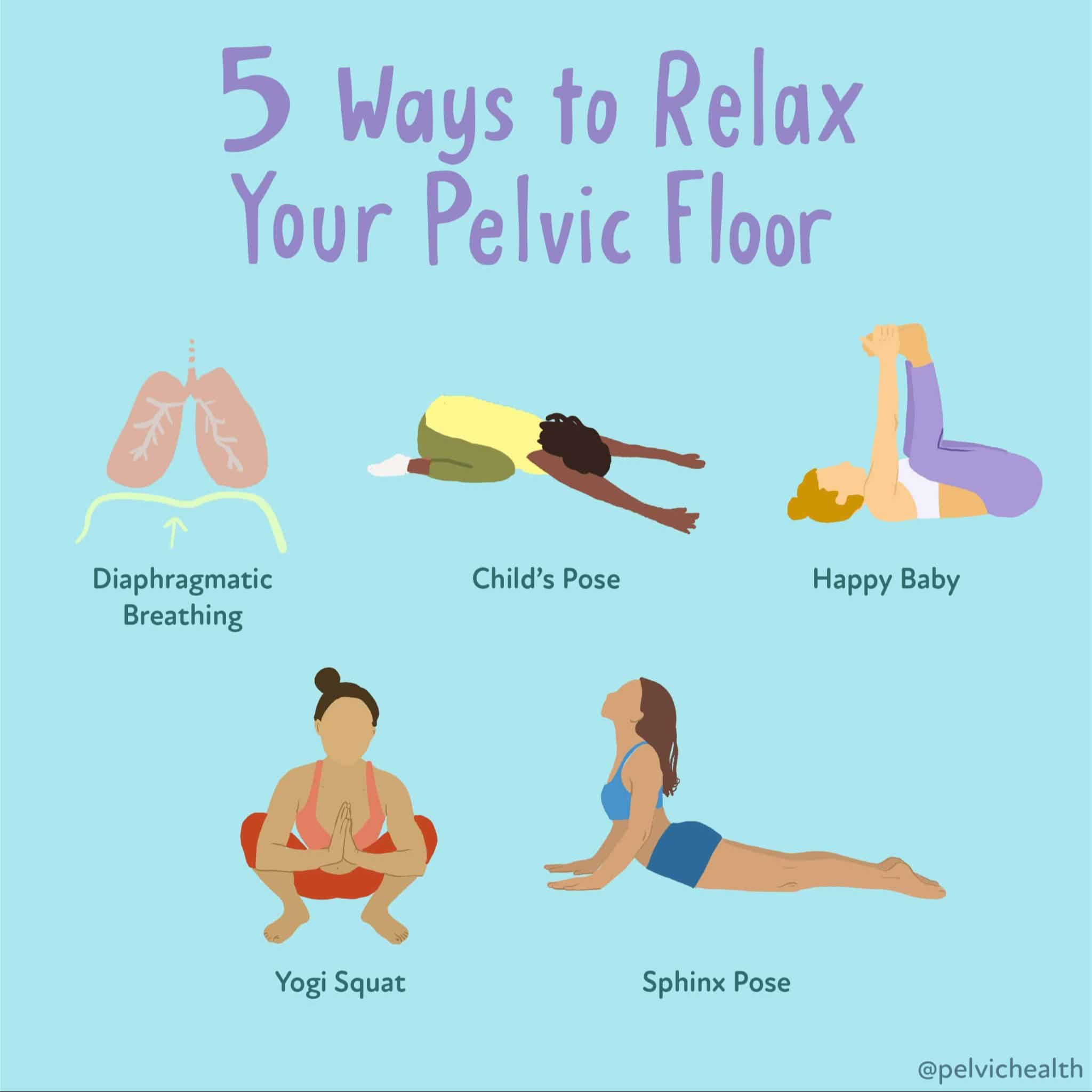

Pelvic floor physiotherapy focuses on strengthening and relaxing the muscles that support the bladder, uterus (in females), and bowel. These muscles play a key role in controlling urination, bowel movements, and even sexual function. When they become weak, tight, or uncoordinated, it can lead to problems like urine leakage, pelvic pain, constipation, or discomfort after delivery or surgery. Many people ignore pelvic floor issues thinking they are normal, especially after childbirth, aging, or surgery. However, these problems can affect daily life and confidence. Physiotherapy helps by improving muscle strength, coordination, and control. It is useful for conditions like urinary incontinence, prolapse, post-delivery weakness, post-surgical recovery, and chronic pelvic pain. In simple terms, pelvic floor physiotherapy works like training any other muscle group in the body. It includes exercises to strengthen weak muscles (like Kegels), relaxation techniques for tight muscles, posture correction, and breathing exercises. Education about lifestyle habits, bladder training, and proper movement patterns is also an important part of treatment. At Physionautics, advanced pelvic floor rehabilitation is provided using a combination of modern techniques and personalized care. Some of the advanced treatments offered include: Biofeedback therapy: Helps patients understand how their pelvic muscles are working using visual or audio signals, making it easier to train them correctly. Electrical stimulation: Gentle stimulation to activate weak muscles and improve strength and control. Manual therapy: Hands-on techniques to release tight muscles and reduce pain. Core and functional training: Integrating pelvic floor muscles with abdominal and back muscles for better overall stability. Postnatal and post-surgical rehab programs: Tailored recovery plans for faster and safer healing.At Physionautics, the focus is not just on exercises but on complete rehabilitation—addressing the root cause of the problem and improving quality of life. With the right guidance and consistent therapy, most pelvic floor issues can be significantly improved or even completely resolved.
 read more
 We hate spam too.


