


Aquatherapy or Hydrotherapy or Aquatic therapy for back Pain - Physionautics
2026-05-18T14:40:22  read more
 read more
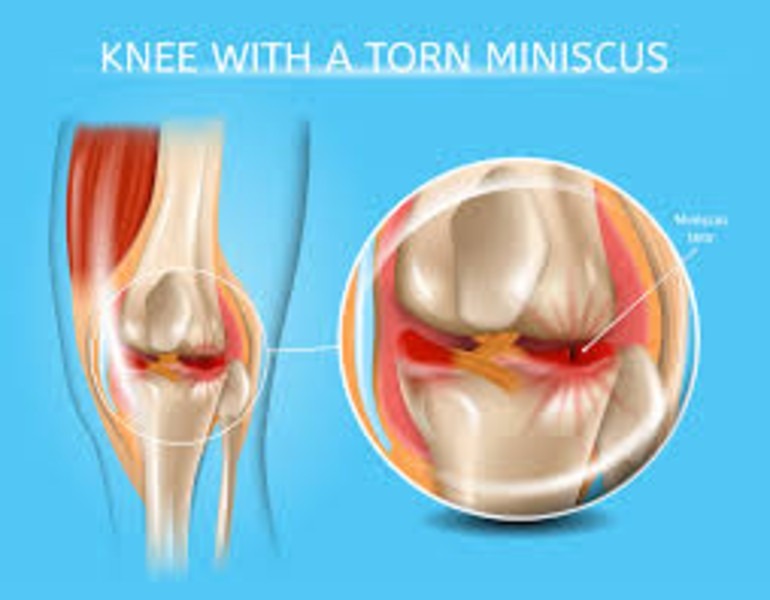

The meniscus is a small cartilage cushion inside knee. It is knee’s shock absorber as it protects bones and helps one to move smoothly without pain. When this cushion tear due to a sudden twist, sports activity, or simply overuse over the time, one might feel pain, swelling, or stiffness in the knee. There is difficulty in bending and straigtening the knee. Physiotherapy does not only reduce the pain but also help to heal and get back to natural movement. Initially in meniscus injury the knee usually feels sore and swollen. Even simple tasks like walking up stairs, sitting cross-legged, or squatting feel difficult. The primary goal is reducing pain, reducing swelling, and protecting knee. Ice packs, compression, and relative rest are often recommended. Physiotherapist suggests use a knee brace if weightbearing on leg is painful. Once the pain starts to settle, the next goal is getting movement back. After an injury, the knee is stiff, and if it is not moved correctly, there is pain and delayed healing. In physiotherapy we start with small, gentle exercises that keep the joint flexible without stressing it. Something like, sliding heel along the bed slowly helps the knee bend and straighten comfortably. These little steps make a big difference in preventing stiffness and encouraging recovery. In later phases, physiotherapy begins to focus on strengthening. The muscles around the knee such as quadriceps and hamstrings need to be strong to support the joint properly. When these muscles are weak, the meniscus and the bones inside the knee take too much pressure. Exercises like straight leg raises, supported squats, and light theraband exercises help rebuild strength in a safer, and controlled way. This phase of rehab is all about making knee strong again so that it can handle daily movements without strain. If someone a had meniscus surgery, physiotherapy plays an even bigger role. After surgery knee needs extra care to recover properly. The physiotherapis guides through pain management, controlled movements, and gradual weight-bearing activities. Over time, exercises become more challenging which rebuilds balance and stability. This balance training is important as it reduces the risk of future injuries. For athletes, this stage include sports-specific exercises to prepare them for returning to play. Physiotherapy sessions also involve treatments like ultrasound and electrical stimulation. The duration of recovery depends on the severity of the tear. Minor tears might heal with just a few weeks of rehabilitation, while post operative cases could take several months to fully recover. An important part of rehab is to learn how to protect the knees in the future. Physiotherapy focuses on healing the current injury but will also teach the preventive habits. Visit Physionautics to get the right care, guidance, and exercises that strengthen and helps you to get back in the game.
 read more
 We hate spam too.


