

How Aqua Therapy Helps in the Treatment of Cerebral Palsy
Cerebral Palsy (CP) can affect movement, balance, muscle strength, coordination, and daily activities. Physiotherapy plays an important role in helping a child improve movement and become more independent. One useful approach that can be added to the physiotherapy program is Aqua Therapy.
What is Aqua Therapy?
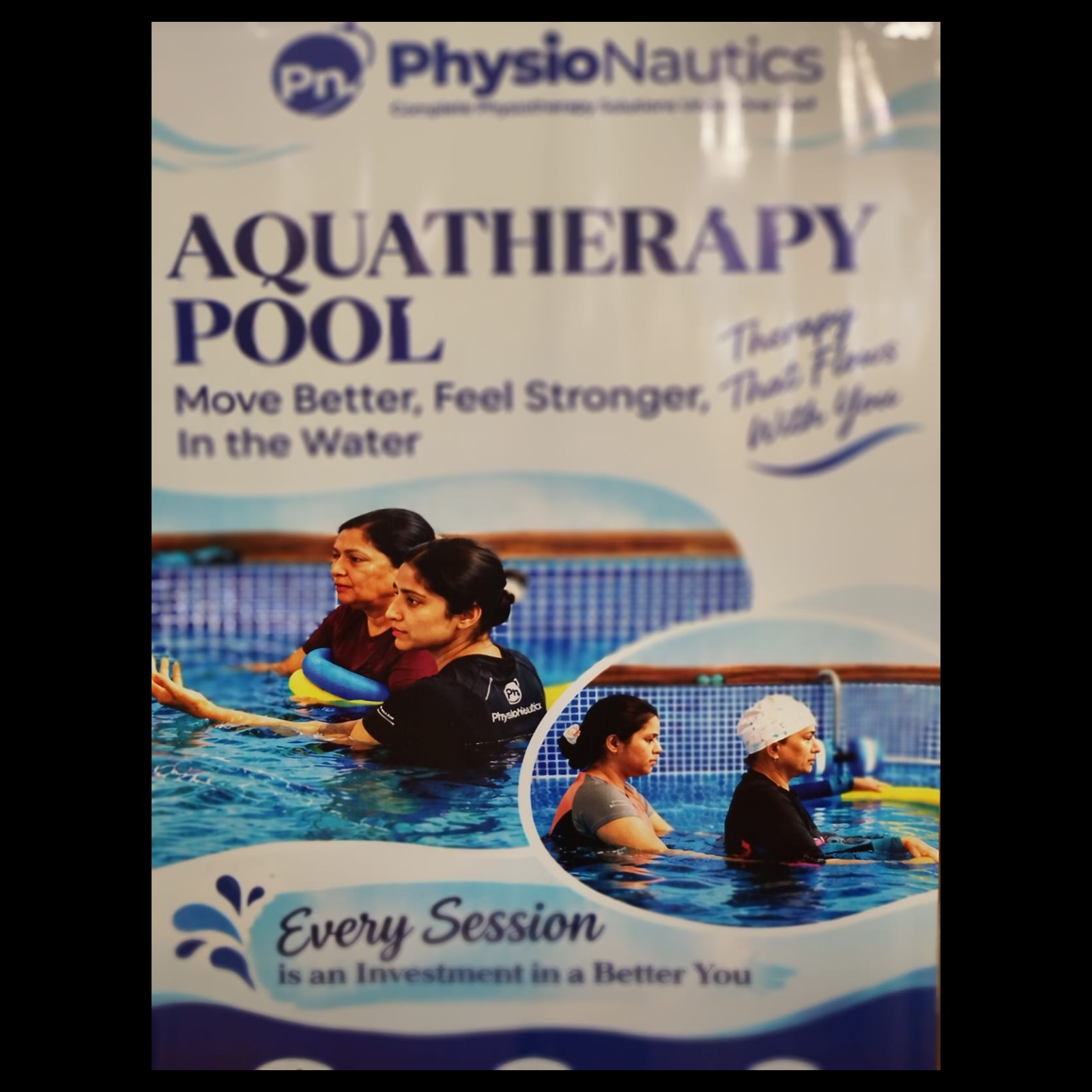
Aqua therapy is physiotherapy performed in a swimming pool under the guidance of a trained physiotherapist. The warm water supports the body and makes many movements easier and more comfortable.
How Does Aqua Therapy Help in CP?
1. Makes Movement Easier
Water supports the body, allowing children to practice movements that may be difficult on land, such as standing, walking, and stepping.
2. Improves Muscle Strength
Water provides natural resistance. Simple movements in water can help strengthen muscles without putting excessive stress on the joints.
3. Helps Reduce Muscle Tightness
Warm water can help the child relax and may make stretching and movement easier, particularly when muscle stiffness or tightness is present.
4. Improves Balance and Coordination
Children can safely practice balance and controlled movements in water, which can gradually support better movement on land.
5. Builds Confidence
The supportive environment of the pool allows children to experience successful movements, which can improve confidence and participation in therapy.
Aqua Therapy Treatment Plan at Physionautics
At Physionautics, the aqua therapy program is planned according to the child’s individual needs rather than following the same exercises for every child.
Assessment
The physiotherapist first evaluates:
Muscle tone and tightness
Strength
Balance and coordination
Posture
Walking and functional abilities
Range of movement
The child’s comfort and confidence in water
Treatment Program
Warm-up: Gentle movements and walking in water to prepare the body.
Stretching: Water-assisted stretching for tight muscles while maintaining comfortable movement.
Strengthening: Exercises such as leg movements, stepping, pushing and pulling against water resistance.
Balance Training: Standing, weight shifting, reaching and controlled movements with appropriate support.
Walking Practice: Practising stepping and walking in water, progressing gradually as the child’s control improves.
Functional Activities: Games and goal-based activities are included to make therapy enjoyable while working on important movements.
Why Combine Aqua Therapy With Regular Physiotherapy?
Aqua therapy should generally be considered an additional part of a complete physiotherapy program, not a replacement for land-based therapy.
At Physionautics, the physiotherapist can combine pool-based exercises with stretching, strengthening, balance training, gait training and functional activities according to the child’s goals.
The aim is not simply to make a child move better in water, but to use the benefits of water to support better movement, strength, balance, confidence and participation in everyday life.
Physionautics — Individualised physiotherapy care focused on helping every child reach their functional potential.