
GYM INJURY? DON’T JUST “PUSH THROUGH THE PAIN.”
Training is supposed to challenge your body—but there is a difference between normal muscle fatigue and an injury that needs attention.
Understanding the warning signs can help you recover faster and prevent a minor problem from becoming a long-term injury.
COMMON GYM INJURIES
1. Muscle Strain
Often occurs when a muscle is overstretched or overloaded.
Common areas:
* Hamstrings
* Quadriceps
* Calf
* Lower back
* Chest and shoulder muscles
Signs: Sudden pain, tenderness, weakness, swelling or difficulty performing the movement.
---
2. Shoulder Injuries
Exercises such as overhead pressing, bench pressing and lateral raises can aggravate the shoulder when technique, load or training volume is inappropriate.
Common problems include:
* Rotator cuff irritation
* Shoulder impingement-related pain
* Tendon irritation
* Shoulder instability
Warning signs: Pain during overhead movements, painful lifting, weakness or reduced range of motion.
---
3. Lower-Back Pain
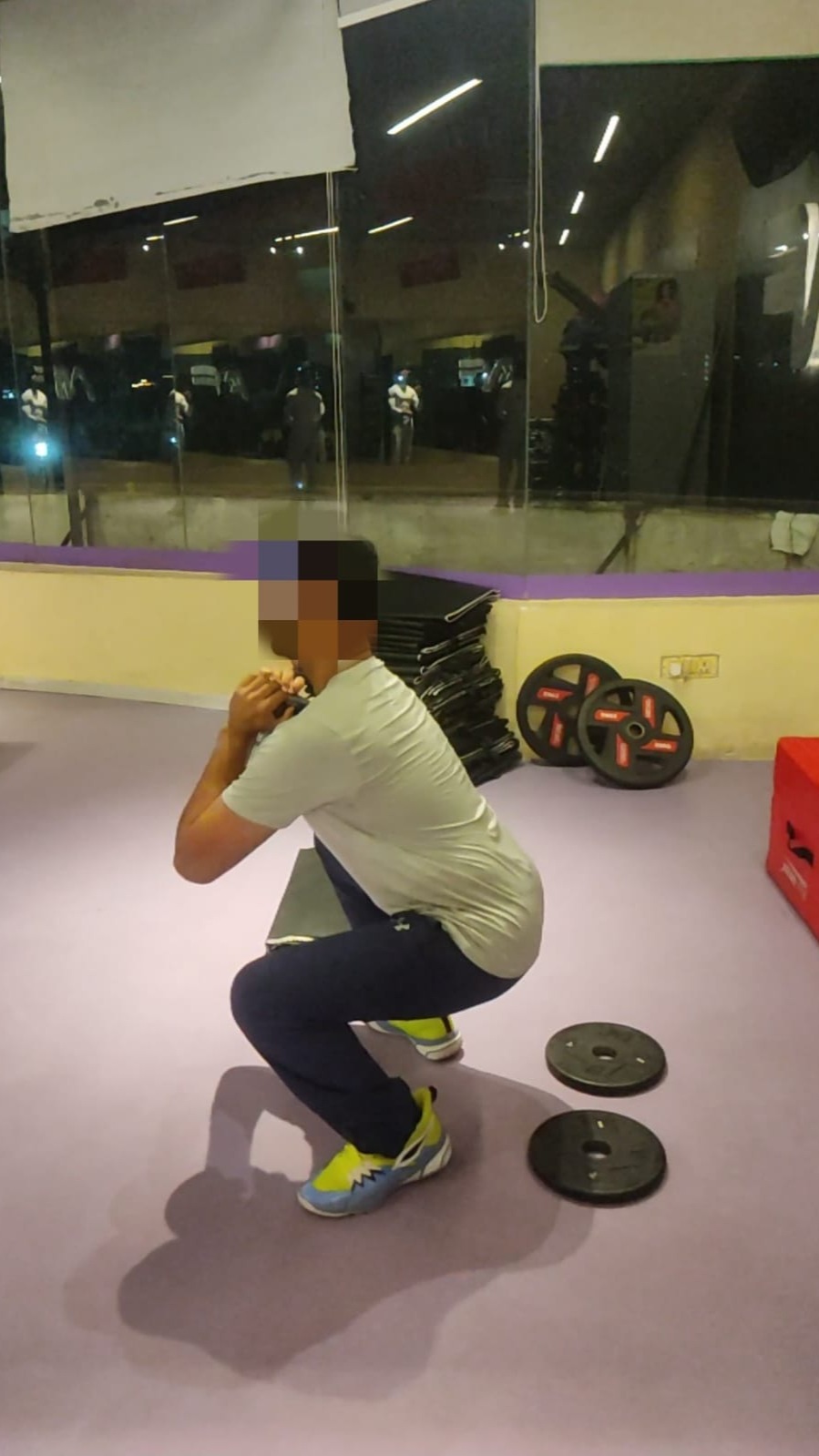
Heavy squats, deadlifts and poorly controlled lifting can place excessive stress on the lower back.
Possible contributing factors include:
* Poor lifting technique
* Sudden increase in training load
* Inadequate recovery
* Reduced trunk control
* Repetitive loading
Persistent or radiating pain should be properly assessed rather than repeatedly trained through.
---
4. Knee Injuries
The knee can become irritated with excessive training volume, poor movement control or sudden changes in exercise intensity.
Common complaints include:
* Anterior knee pain
* Patellar tendon pain
* Muscle/tendon strains
* Pain after squatting or jumping
Look out for swelling, instability, locking or persistent pain.
---
5. Tendon Injuries
Tendons adapt to training gradually. A sudden increase in load, frequency or intensity can exceed their capacity.
Common locations:
* Achilles tendon
* Patellar tendon
* Elbow tendons
* Rotator cuff tendons
Tendon pain often requires load management and progressive rehabilitation, not simply complete rest.
WHEN SHOULD YOU STOP TRAINING?
Take the pain seriously if you experience:
Sudden or severe pain
Significant swelling
Loss of strength
Loss of movement
Joint instability or giving way
Locking or catching
Pain that keeps getting worse
Numbness or tingling
Pain that persists despite reducing activity
WHAT
SHOULD YOU DO AFTER AN INJURY?
STEP 1 — Stop the aggravating exercise
Don't repeatedly test an injured area with the same movement.
STEP 2 — Get assessed
A physiotherapist can evaluate movement, strength, mobility and the specific symptoms to determine an appropriate rehabilitation approach.
STEP 3 — Manage the training load
You may not need to stop all exercise. Often, the goal is to modify the exercises that aggravate your symptoms while maintaining safe activity.
STEP 4 — Rehabilitate progressively
Depending on the injury, rehabilitation may include:
* Mobility exercises
* Isometric exercises
* Progressive strengthening
* Neuromuscular training
* Balance and proprioception
* Sport/gym-specific exercises
STEP 5 — Return to training gradually
Returning to your previous weight or intensity too quickly can increase the risk of recurrence.
PREVENTION IS BETTER THAN REHABILITATION
Before pushing your limits:
Warm up properly
Learn correct exercise technique
Increase weights gradually
Avoid sudden increases in training volume
Train different muscle groups appropriately
Allow adequate recovery
Don't ignore persistent pain
Maintain strength and mobility
Get professional guidance when needed
REMEMBER
Pain is information—not a measure of how hard you trained.
Train hard.
Train smart.
Recover properly.
Come back stronger.
Injured during training? Get assessed before getting back to heavy lifting.
At Physionautics Physiotherapy Clinic, treatment begins with a comprehensive physiotherapy assessment rather than using the same exercise program for every patient. The physiotherapist evaluates spinal posture and alignment, thoracic mobility, muscle strength and flexibility, pain, balance, functional limitations, and movement patterns.
The goal of rehabilitation at Physionautics Clinic is not simply to make the posture appear straighter, but to improve mobility, strength, postural control, pain management, functional capacity, and confidence in movement. With proper assessment, an individualized rehabilitation plan, and consistent participation, physiotherapy can play an important role in managing many gym injuries.